
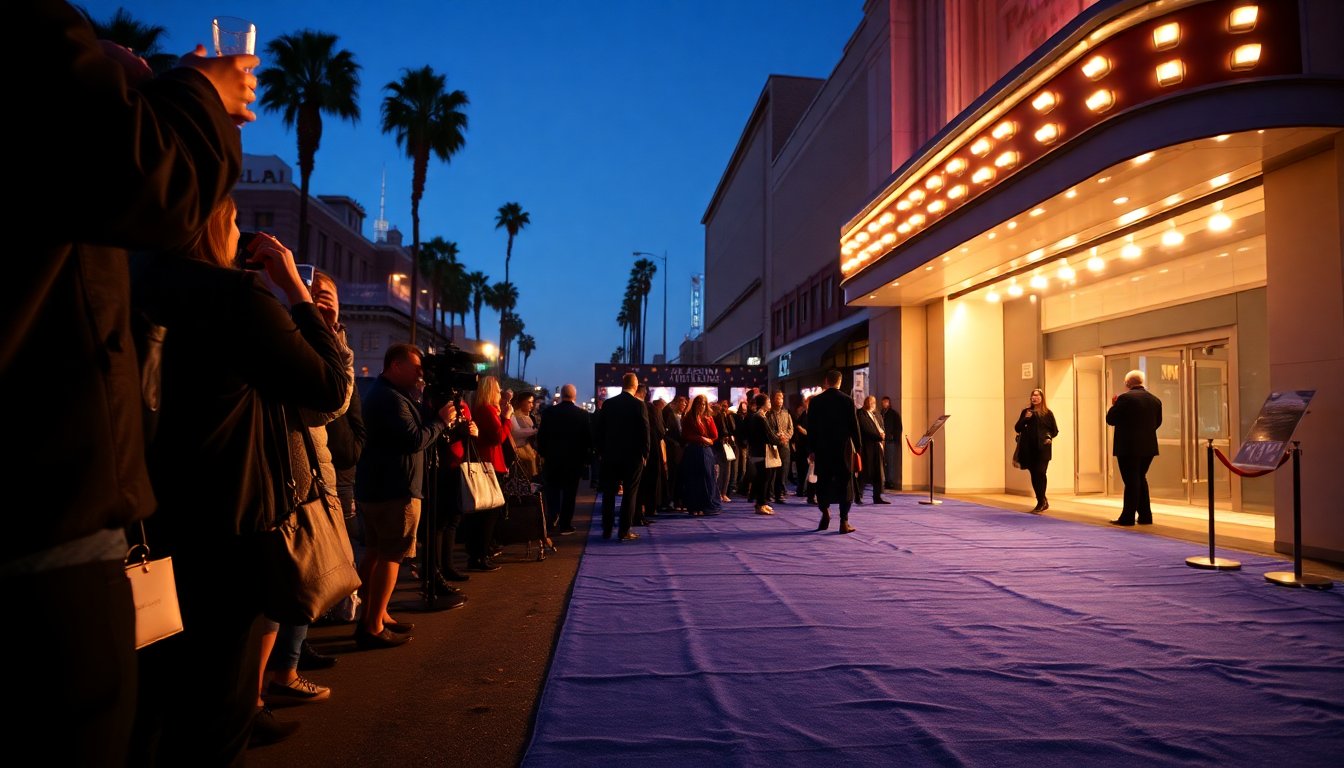
Film independent spirit awards spotlight resourceful filmmaking at the hollywood palladium
The 41st film independent spirit awards honored resourceful filmmaking and daring storytelling. The ceremony took place at the Hollywood Palladium, marking a move away from its usual beachfront setting.
Artists, craftspeople and industry supporters gathered to celebrate work produced outside major studio systems. The event combined formal awards with candid blue-carpet conversations. IndieWire, in partnership with Lavazza, interviewed filmmakers and performers about the ethos that drives independent projects.
Winners across film and television categories included established festival favorites and several breakthrough titles. Smaller, culturally specific projects achieved historic recognition alongside more widely discussed films.
The evening highlighted the growing role of streaming platforms in distributing and promoting independent voices. Industry figures noted how digital outlets are reshaping access to audiences for low-budget and auteur-driven work.
Film winners and why they mattered
Industry figures had noted how digital outlets are reshaping access to audiences for low-budget and auteur-driven work. That change was visible in the night’s top honoree. Train Dreams led the ceremony, capturing Best Feature, Best Director for Clint Bentley and Best Cinematography.
The film’s sweep reinforced its appeal to critics and voters who prioritize atmospheric storytelling and technical craft within constrained budgets. Judges cited the film’s controlled pacing, textured production design and visual restraint as distinguishing elements.
On the red carpet, star Joel Edgerton said shooting in the Pacific Northwest shaped his performance. He described the landscape as a catalyst for sensory truth, and said natural conditions forced actors to react in the moment.
Cinematographer Adolpho Veloso credited location work and available light for the film’s look. He told reporters that relying on natural light created flexibility on set and helped preserve intimacy in close-ups.
The film’s recognition underscored a larger trend: voters rewarded films that deliver strong creative vision while maximizing limited resources. That emphasis on craft and atmosphere signalled continued support for resourceful, director-driven projects within the independent field.
That emphasis on craft and atmosphere signalled continued support for resourceful, director-driven projects within the independent field. The ceremony’s gender-neutral acting categories shaped the evening’s top performances. Rose Byrne won best lead performance for If I Had Legs I’d Kick You. Naomi Ackie received best supporting performance for Sorry, Baby. Sorry, Baby also secured best screenplay for Eva Victor, underscoring how a distinctive voice can carry a film across categories. By contrast, Peter Hujar’s Day collected multiple nominations but left without wins, illustrating the competitive and unpredictable nature of awards season.
First features and special recognitions
Lurker won Best First Feature and secured the Best First Screenplay award, underscoring industry interest in debut filmmakers who address complex material.
The John Cassavetes Award, given to features produced for less than $1 million, was awarded to Esta Isla (This Island). The film is the first Puerto Rican feature both nominated for and to receive that honour. Co-writers and directors described the win as a significant cultural milestone for Puerto Rican storytelling on the international stage.
First features and special recognitions highlighted the ceremony’s emphasis on resourceful, director-driven work and on expanding visibility for underrepresented cinemas.
Television sweep and platform performance
Television achievements and platform metrics also drew attention, reflecting a broader industry shift toward serialized content and distribution strategies. Coverage of television winners and platform performance follows, examining how awards momentum translates into audience engagement and industry deals.
Television winners underscore streaming’s growing industrial clout
Television awards at the ceremony highlighted both narrative ambition and breakout acting talent. Netflix’s limited series Adolescence dominated key categories, including recognition for the series itself and for multiple leading and supporting performances. The result underscored how serialized storytelling now takes comparable creative risks to independent film while reaching far larger audiences via streaming.
Apple TV received the Robert Altman Award for ensemble achievement, acknowledging the collaborative nature of cast-driven projects. HBO secured prizes in the documentary series field, signalling continued esteem for nonfiction work distributed through premium cable and streaming channels.
Across the night, Netflix emerged as a prominent distributor of Spirit-recognized television, while specialty companies such as A24 and IFC also won notable awards. The spread of winners reflected a range of forms and distribution strategies rather than dominance by a single model.
Industry observers said the television results could affect viewership and business deals. Awards momentum often leads to increased audience attention and sharper negotiating positions for creators and distributors. How that translates into concrete audience growth and licensing agreements will be watched closely in the weeks ahead.
Industry implications and trends
The Spirit Awards highlighted a continuing shift in independent cinema. Voters signaled support for gender-neutral acting categories, further integrating nontraditional nomination structures into awards discourse. Streaming platforms also strengthened their role in the indie ecosystem, financing and distributing films that meet the Spirits’ eligibility thresholds.
The ceremony reinforced a pattern whereby films with overlapping Academy Award attention receive parallel endorsement from Spirit voters. Notable examples this season include Train Dreams and The Secret Agent, which secured recognition from both communities. At the same time, the Spirits maintained space for first-time directors and culturally specific projects that typically fall outside mainstream awards coverage. That dual posture—recognizing cross-over contenders while elevating distinctive, low-budget work—remains central to the ceremony’s identity.
On the carpet and community moments
The red carpet combined industry promotion with visible community support for independent filmmakers. Talent and producers used the platform to spotlight diverse storytelling and continued concerns about funding and distribution for small-scale projects. Conversations focused on how awards visibility might translate into audience growth and licensing deals, a key metric for indie sustainability.
Organizers and attendees also prioritized moments of cultural affirmation. Presenters and winners acknowledged community organizations, festival partners, and grassroots campaigns that helped bring projects to completion. Those acknowledgments underscored the interconnected networks that sustain independent film beyond studio financing and festival premieres.
Blue carpet conversations and ceremony highlight communal spirit
Following acknowledgments that underscored the networks supporting independent film, interviews on the blue carpet emphasized collaboration and craft. IndieWire hosted the on-site interviews, co-hosted by Christian Zilko and Reagan Yorke, which foregrounded the communal nature of the gathering.
Filmmakers spoke about technical choices, location scouting and the emotional stakes of telling personal or regionally rooted stories. Partners such as Lavazza framed those conversations around shared rituals and creative fuel, comparing the ritual of coffee to the collaborative practices that sustain productions.
Comedian Ego Nwodim served as the ceremony’s host. Her tone balanced humor with measured respect for the achievements being honored. Winners ranged from established figures to emerging voices, and the evening reinforced that independent cinema continues to function as a laboratory for experimentation, risk-taking and broader cultural representation.
What the spirit awards signaled
The evening reinforced that independent cinema continues to function as a laboratory for experimentation, risk-taking and broader cultural representation.
For awards watchers and viewers seeking new films and series, the Spirit Awards offered a concentrated view of where inventive storytelling and modest budgets intersect. The ceremony highlighted projects gaining critical momentum and industry attention as the season progresses.
Winners and nominees at the event underscored shifting priorities in programming and commissioning, with several titles poised to influence festival programming and distributor acquisition choices. The outcomes also provide viewers with a shortlist of culturally relevant films and series to explore.
Industry observers said the ceremony’s emphasis on creative risk and diverse perspectives may shape commissioning trends in the months ahead, affecting what independent filmmakers can finance and where audiences will find fresh work.