
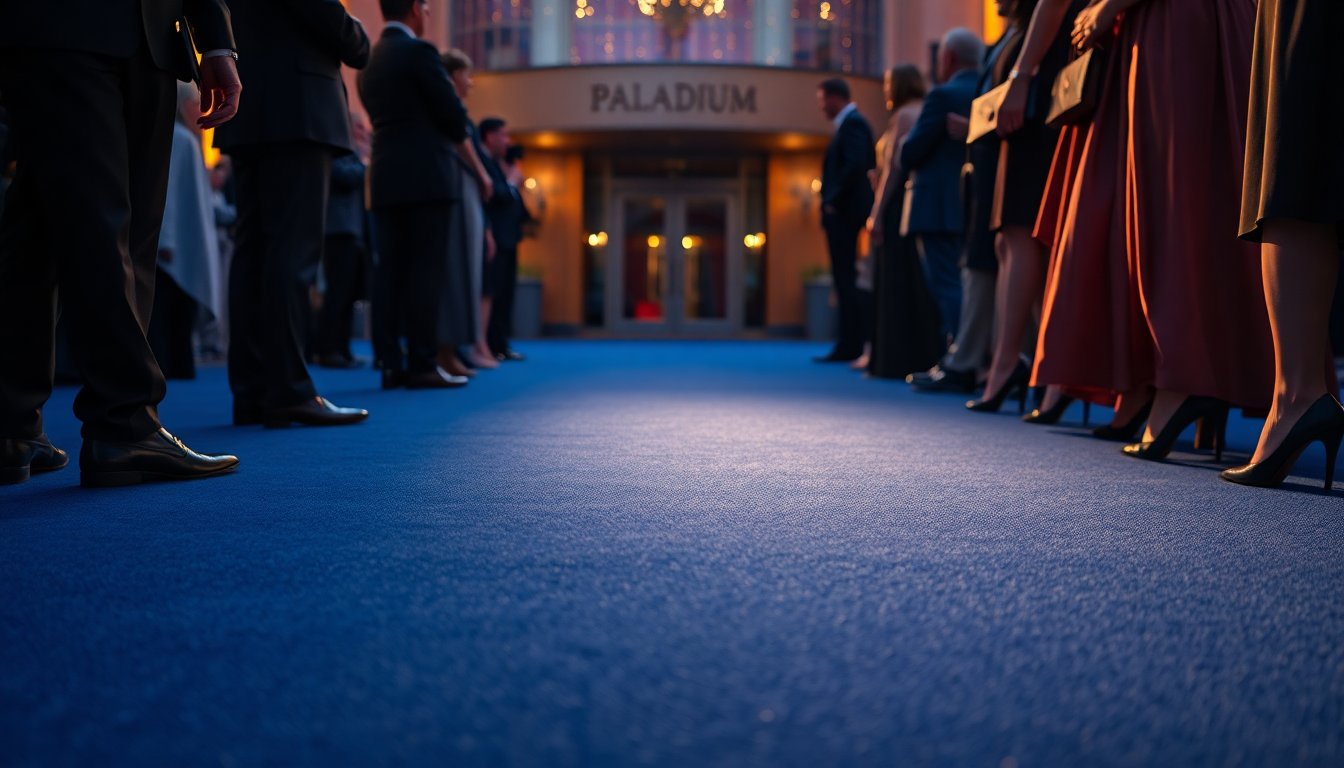
The 41st Independent Spirit Awards landed at the Hollywood Palladium on February 15, 2026, with Ego Nwodim steering the evening. The host’s playful energy kept the ceremony lively as it celebrated the wide-ranging work of indie filmmakers and television creators—projects that prize imagination over budget and risk over formula.
Guests arrived on a blue carpet this year, a deliberate break from tradition that signaled a sleeker, more modern aesthetic. The color change felt fitting: the Spirit Awards have always favored the offbeat, and the updated backdrop set a stylish, slightly subversive tone for a night that honored both polished veterans and scrappy newcomers.
On the film side, the lineup reflected indie cinema’s breadth. Best Feature contenders ran the gamut from intimate character studies to formally daring pieces—Peter Hujar’s Day, The Plague, Sorry, Baby, Train Dreams and Twinless each brought distinct voices and ambitions to the table. Ensemble work received its due as well: The Long Walk earned the Robert Altman Award, recognizing the director, casting team and a cast that includes Judy Greer, Mark Hamill and Cooper Hoffman.
Small-budget filmmaking was celebrated in a way that felt earned rather than sentimental. The John Cassavetes Award, for features made for under $500,000, highlighted titles like The Baltimorons and Boys Go to Jupiter—reminders that creative constraints often spur resourceful storytelling. Behind the camera, craftspeople stood out: Norm Li’s cinematography on Blue Sun Palace and Carson Lund’s editing on Eephus drew particular praise, illustrating how technical artistry quietly shapes a film’s power.
Performance and writing nods showcased a mix of established names and rising talent. Lead performance nominees stretched from Rose Byrne (If I Had Legs I’d Kick You) and Joel Edgerton (Train Dreams) to Tessa Thompson (Hedda), Ben Whishaw (Peter Hujar’s Day) and Keke Palmer (One of Them Days). Screenplay recognition went to a range of voices—Eva Victor for Sorry, Baby; Angus MacLachlan for A Little Prayer; and the writing duo Michael Angelo Covino and Kyle Marvin for Splitsville—underscoring the strong pipeline from festivals to wider audiences.
Television awards continued the festival’s focus on character-driven storytelling and inventive premises. Best New Scripted Series nominees included Adolescence, Common Side Effects, Forever, Mr Loverman and North of North, with notable creative talent attached to several projects—Adolescence, for instance, lists Jack Thorne and Stephen Graham among its creators. Lead performance slots in new series combined veterans and newcomers alike, from Stephen Graham (Adolescence) and Lennie James (Mr Loverman) to Michelle Williams (Dying for Sex) and Seth Rogen (The Studio). Supporting categories celebrated ensemble depth with recognitions for Erin Doherty (Adolescence), Babou Ceesay (Alien: Earth) and Jenny Slate (Dying for Sex).
Documentaries and emerging filmmakers also took center stage. Investigative, intimate, and visually ambitious nonfiction work—such as Geeta Gandbhir’s The Perfect Neighbor and Ryan White’s Come See Me in the Good Light—received prominent attention. The Spirit Awards’ signature support for new voices continued with the Someone to Watch, Producers and Truer Than Fiction awards, given this year to Tatti Ribeiro, Emma Hannaway and Tony Benna—filmmakers to watch as they move into larger arenas.