
War Machine — lean, gritty, Predator-style action
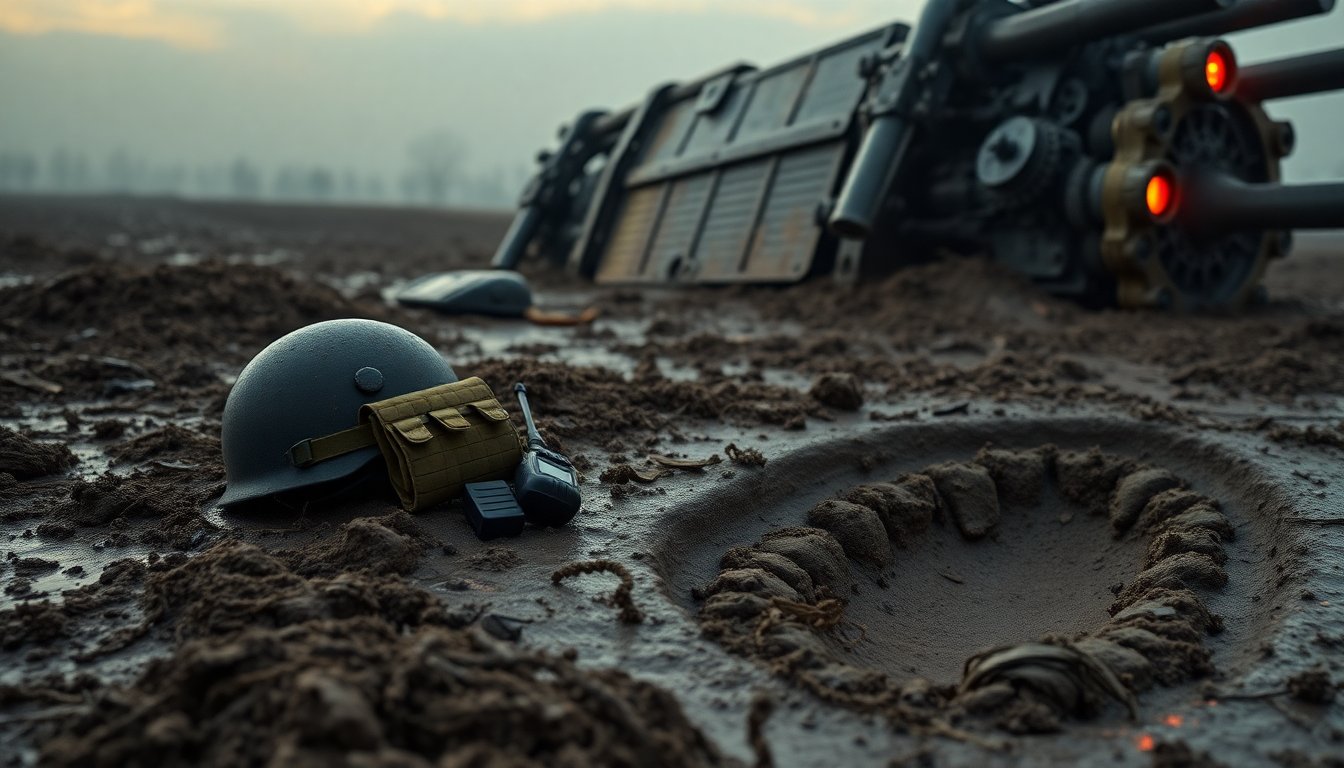
War Machine, Netflix’s new actioner, casts Alan Ritchson as a hard-edged Army Ranger whose final training exercise turns into a desperate battle to survive. Patrick Hughes directs from a screenplay he co-wrote with James Beaufort, and the film’s simple premise—an enormous bipedal alien machine crashes into the field and begins hunting the trainees—instantly steers a routine military picture toward science fiction-infused carnage.
Plot and protagonist
The film wastes little time on backstory. It opens inside the grind of the final training phase, establishing discipline, hierarchy and physical strain before the terror arrives. Ritchson’s character is presented as a numbered leader whose choices shape the unit’s response when the group encounters the alien device. Exposition is kept to a minimum: the screenplay funnels energy into improvised tactics, rising losses, and the raw, zero-sum logic of survival. The middle act is all accountability under fire—teamwork, hard decisions, and escalating sacrifice—while the finale ties up the immediate threat and closes a tight personal arc for the lead.
Action design and production values
War Machine favors tangible, kinetic filmmaking. On-location shoots and practical sets give the combat real weight, and the movie leans on stunts and physical performances over heavy CGI. That choice pays off: mountainside ambushes, river crossings and a bruising armoured personnel carrier chase feel lived-in and immediate. The set pieces are compact and briskly paced, designed to keep momentum high and the stakes palpable rather than sprawling into needless subplot tangles.
Creature and design influences
The invader reads like a hulking humanoid war construct—less cosmically mysterious than some genre icons, but formidable when deployed against natural terrain. The film doesn’t spend much time explaining the machine’s origins or motives; instead, it stages confrontations that highlight tactics, improvisation and sheer physical bravery. You can hear echoes of John McTiernan’s Predator in the premise and pacing, but War Machine is more stripped-down and intentional in its thrills than reverential.
Themes, tone, and context
Underneath the action, the movie quietly chews on contemporary anxieties about automation and autonomous weapons. The machine functions as more than a monster; it’s a symbol of technological escalation and the moral choices that come with delegating violence to systems. The film favors implication over sermonizing—scenes emphasize human decision-making and the costs of resistance rather than spelling out a political treatise. That restraint makes the theme feel threaded through the action rather than bolted on.
Performance and characterization
Ritchson anchors the film with a muscular, emotionally focused turn: a soldier shaped by grief and duty who must lead under impossible conditions. Character work is economical—dialogue and interior psychology are secondary to movement and consequence—but well-timed human moments give the losses and camaraderie genuine weight. The supporting cast largely occupy operational roles, though a few small beats land, adding texture without turning the picture into a chamber drama. If you’re after intricate character study, this isn’t it; if you want compact, human-tinged action, it delivers.
How it compares
War Machine slots neatly into the contemporary action slate—less ambitious than prestige genre fare, more polished than the straight-to-video churn of earlier decades. It doesn’t match Predator’s mythic menace or the big-budget scope of top-tier sci-fi, but it achieves what it sets out to do: entertain, move fast, and leave a modest ethical aftertaste about technology and resistance. On streaming platforms where choices are plentiful, it stands out as a coherent, deliberately made action piece anchored by Ritchson’s physicality. Audiences who prize pace and spectacle over formal innovation will likely enjoy it; viewers craving deep thematic excavation may find it wanting.
Verdict
War Machine is a concise, muscular entry in modern action cinema—lean, well-staged, and thematically suggestive without becoming didactic. It’s a solid watch for anyone who likes their thrills direct, their fights physical, and their ideas understated but present.