
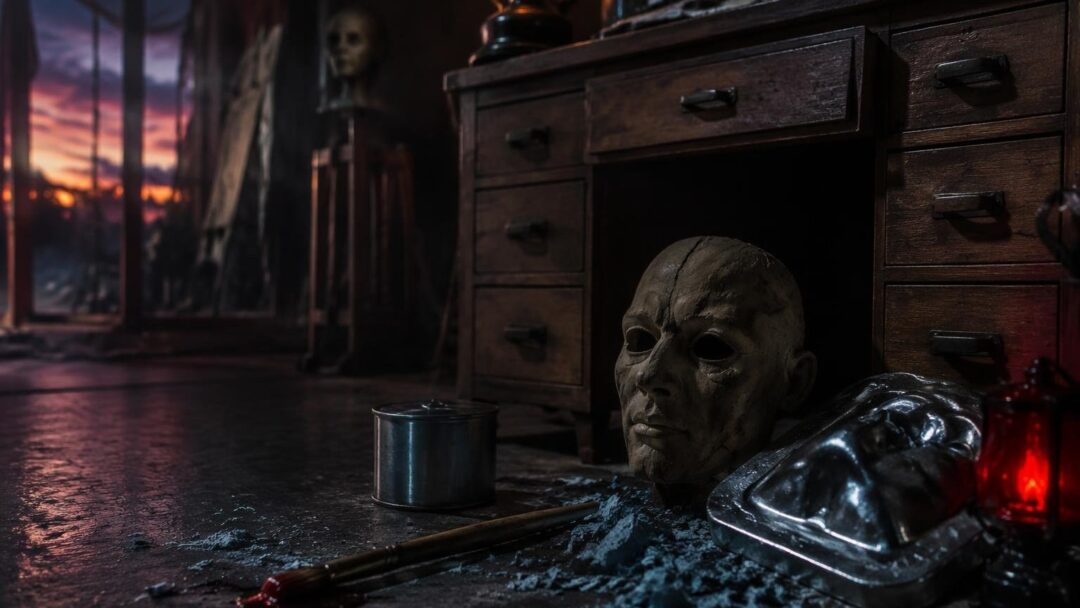
DC Studios is taking a bold step into the horror genre with Clayface a film that could either revitalize the DC Universe (DCU) or further complicate its path. Directed by James Watkins and starring Tom Rhys Harries, this R-rated horror film is set to hit theaters on October 23, 2026 just in time for the Halloween season. The film follows the story of a former actor who undergoes an experimental procedure with unforeseen consequences, transforming him into the infamous DC villain, Clayface.
The stakes are high for DC Studios, especially after the box office disappointment of Supergirl this year. With co-heads James Gunn and Peter Safran at the helm, the DCU has been aiming to diversify its offerings, and Clayface represents a unique opportunity to explore a different genre within the superhero universe. However, the recent trailer has left some fans worried, drawing comparisons to the critically panned Morbius and raising concerns about the film’s execution.
The Horror Element: A Double-Edged Sword
The decision to make Clayface a horror film is both a risk and an opportunity. Horror films have a dedicated fan base and can be produced at a lower budget compared to big-budget superhero spectacles. With a reported budget of around $40 million, Clayface has the potential to be a profitable venture, even with an R rating that might limit its younger audience. The film’s horror elements, directed by Watkins, known for his work on Black Mirror could attract a different demographic to the DCU.
However, the recent trailer has sparked mixed reactions. While some appreciate the eerie tone and the body horror elements, others feel it lacks the polish and authenticity seen in other DCU films like Matt Reeves’ Gotham City and James Gunn’s Metropolis. The trailer’s serious tone and smaller budget give it a made for TV vibe, which has raised eyebrows among fans and critics alike.
The Potential Impact on the DCU
If Clayface succeeds, it could open the door for more mid-budget, genre-specific films within the DCU. Projects like a Swamp Thing movie, directed by James Mangold, and a potential Constantine sequel with Keanu Reeves, have been in the works but lack momentum. A successful Clayface could provide the necessary push for these projects to move forward. Additionally, it could pave the way for other horror-inspired DC characters like DeadmanSpectre and Zatanna to get their own films.
The success of Clayface could also influence the development of other mid-budget films outside the horror genre. Characters like Sgt. RockThe Question and Poison Ivy could find their way to the big screen, offering a fresh perspective within the DCU. These films could be produced at a lower cost and target niche audiences, providing a balanced approach to the DCU’s portfolio.
The Road Ahead for DC Studios
As DC Studios navigates the challenges ahead, the success of Clayface could be a turning point. With Man of Tomorrow set to release in, the studio has a crucial year ahead. The underperformance of Supergirl has put additional pressure on Clayface to deliver, not just as a horror film but as a testament to DC Studios’ ability to innovate and adapt. Fans and industry watchers alike will be keeping a close eye on Clayface’s performance, hoping it can set a new course for the DCU.
In the end, Clayface is more than just a horror film; it’s a litmus test for DC Studios’ vision and its ability to cater to diverse audiences. Whether it succeeds or falls short, the lessons learned from Clayface will undoubtedly shape the future of the DC Universe.


