
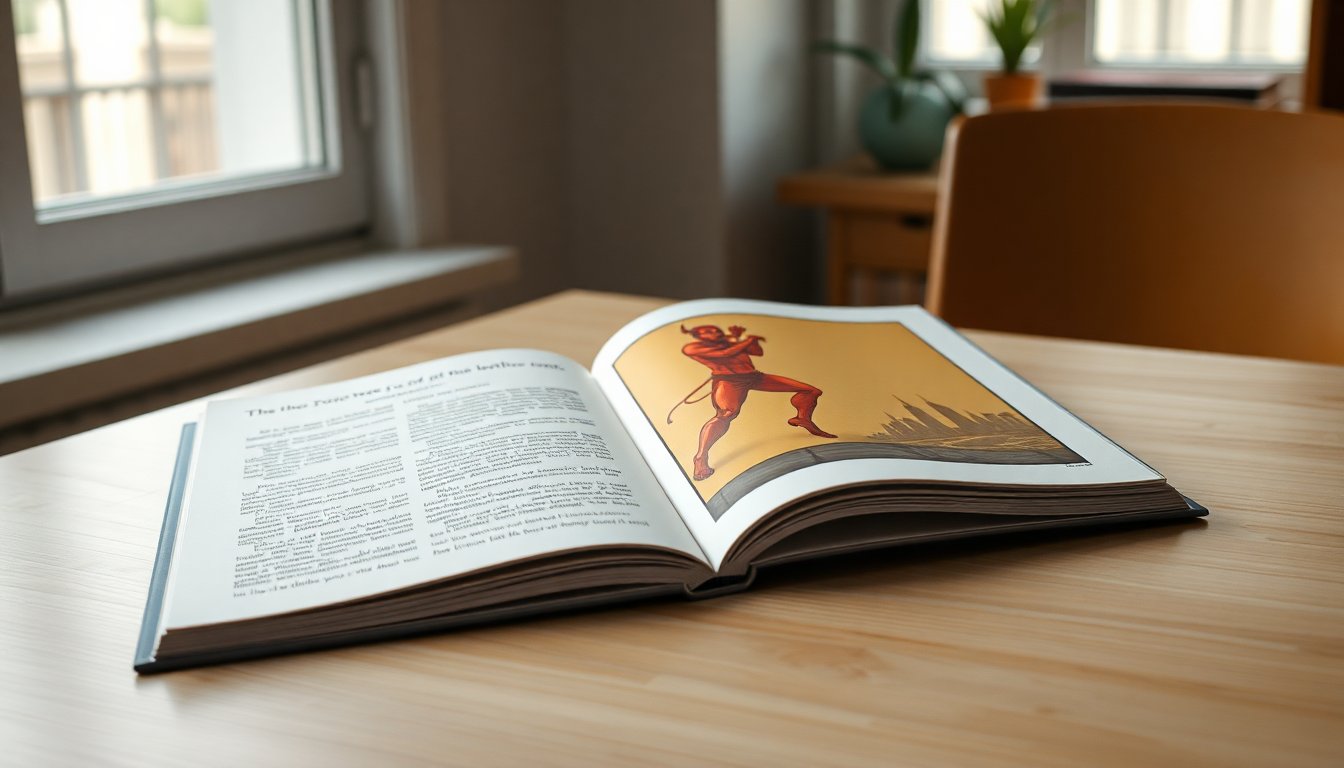
The latest edition of the Good Omens graphic novel by Colleen Doran has prompted close readers to pause on a single background panel and smile. While the adaptation is faithful to the book’s blend of clerical satire and apocalyptic whimsy, one tiny visual gag stands out: a demon frozen mid-dance in a pose that mirrors a widely shared performance from the 2026 Paris Olympics. This is not a reference to Terry Pratchett or the original novel’s internal jokes, but rather a modern pop-culture wink folded into the comic’s tapestry.
To understand why this matters, note the tonal through-line between the original authors and the adaptation. Neil Gaiman and Terry Pratchett wrote the novel as a riff on cosmic bureaucracy and human free will, a mix of deadpan observation and tender absurdity. The television version, boosted by the chemistry of Michael Sheen and David Tennant, emphasizes that contrast between celestial certainty and human unpredictability. In the graphic novel medium, visual easter eggs operate like a second narrator, offering side jokes for readers who linger on backgrounds or marginalia, and Doran’s choice is a perfect example of that practice.
Where the easter egg appears and what it is
On one page where demons are depicted reacting to a farcical musical performance, a single figure strikes what fans recognized as the signature Kangaroo move from Rachael ‘Raygun’ Gunn’s viral breakdance showcase at the 2026 Paris Olympics. At first glance the pose might read as a generic homage to pop choreography, but the silhouette, limb angles, and timing inside the panel match the viral clip closely. The comic’s caption even quips that creatures of the infernal realm are exempt from mundane rules, which echoes internet commentary that celebrated the original routine’s playful rule-breaking. That specific image functions as an easter egg—a deliberately hidden reference designed to reward observant readers.
Why comics borrow memes
Comics and graphic novels have long folded popular imagery into their pages because sequential art thrives on shared cultural shorthand. An artist can signal mood, joke, or character by repurposing a familiar pose or image. In the internet era, that shorthand increasingly includes memes and viral clips. These references do more than elicit a chuckle: they situate a work in the present media landscape, creating a bridge between the fictional world and readers’ lived online experience. When viewers spot a meme embedded in art, they feel rewarded for being culturally literate in both arenas.
Notable equivalents in modern comics
There are plenty of precedents. For instance, Deadpool #1 (2026) by Alyssa Wong and Martin Coccolo contains a panel that reinterprets the ‘Pepe Silvia’ conspiracy board gag from television; it uses the same frantic visual language to comic effect. Similarly, the opening of Defenders #1 (2017) quietly echoes the minimalist four-panel format of the infamous ‘Loss’ meme, repurposing its cadence for a dramatic hospital scene. Manga and licensed comics also play this game: a Yo-Kai Watch comic from 2017 slyly reproduced the cadence of the ‘Supa Hot Fire’ rap battle meme. Each example shows how artists convert an internet moment into a storytelling device without derailing the narrative.
When meme references become part of canon
Some meme callbacks slip so thoroughly into popular media that they loop back and become part of ongoing franchise identity. The ‘Spider-Man pointing’ image, once a single gag, has been embraced across animated and live-action Spider-Verse projects, turning a throwaway joke into a recurring motif. Even characters in other franchises get meta notes: Shadow the Hedgehog’s canonical interest in telenovelas was referenced in marketing and film tie-ins, a nod that fans recognize as part of the character’s personality. These conscious insertions show that memes can transition from ephemeral jokes into sustained elements of character or tone.
Conclusion: what the Good Omens nod means
Colleen Doran’s inclusion of a Rachael ‘Raygun’ Gunn–inspired pose in the Good Omens graphic novel is modest but telling. It demonstrates how contemporary adaptations honor their source material while also engaging the visual language of the internet. Whether called an easter egg or a cultural wink, the cameo rewards readers who look closely and reminds creators that sequential art remains a lively arena for commentary, homage, and playful cross-media conversation.