
Let’s tell the truth: Alain Gomis’ Dao refuses tidy classification. The film unfolds as a focused, layered portrait of a family in transition.
The screening at the festival staged intimate encounters and wider cultural tensions through a visual language that resists easy labels. Viewers enter a world where private memory and collective history intersect, and where characters’ choices reflect the ambivalence of displacement.
Published: 15/02/18:35. This review examines the film’s principal themes, stylistic choices and performances while situating Dao within ongoing debates about the diaspora and cinematic representation. The film functions both as a character study and as a meditation on belonging.
Narrative architecture and thematic core
Visual style and directorial choices
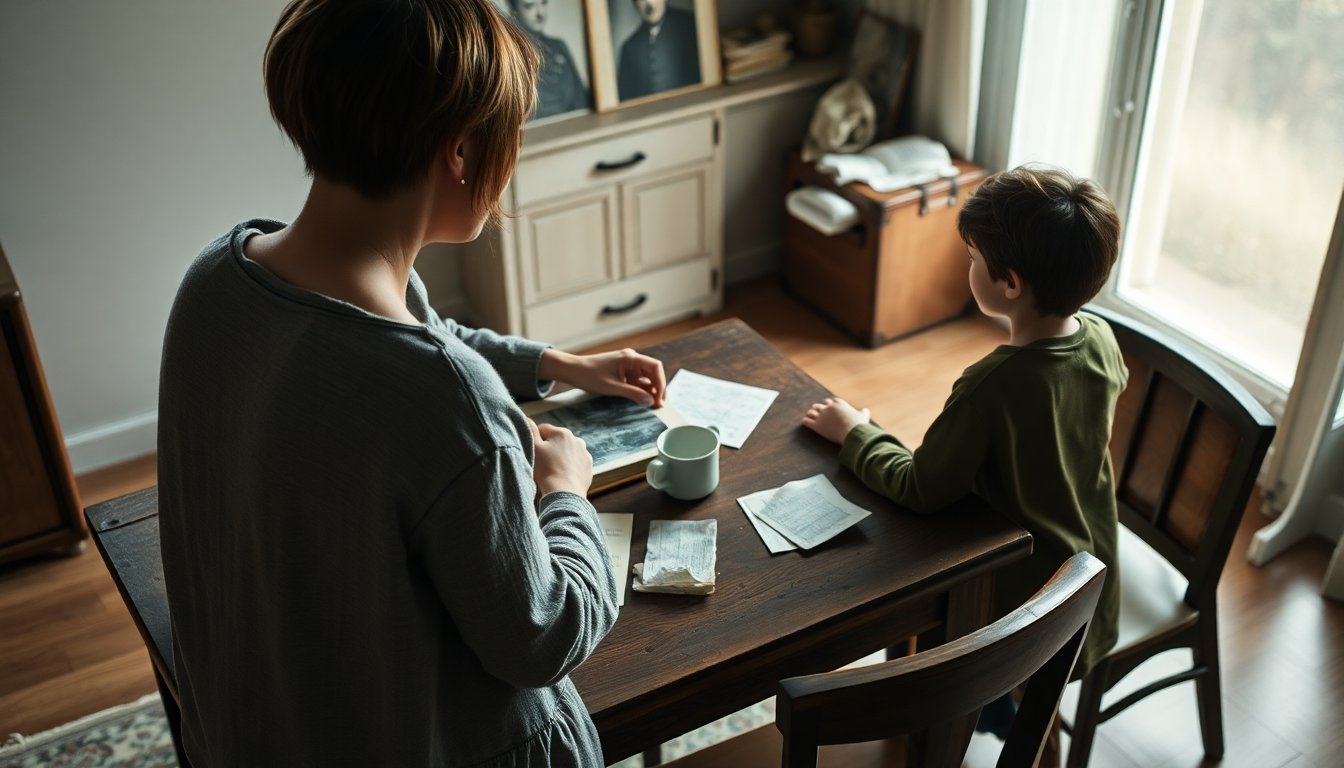
Let’s tell the truth: the film’s surface is deliberately plain, and that plainness is a decision. Gomis avoids ostentation in favor of controlled immediacy. The camera lingers on routine gestures and marginal spaces, asking viewers to invest attention where commercial cinema would demand spectacle.
Framing emphasizes proximity and distance simultaneously. Close-ups register small facial shifts; wider compositions register the characters’ relation to voids and thresholds. The result is a visual grammar that mirrors the film’s thematic concern with being between places.
Lighting and color remain restrained. Natural light predominates, often filtered through domestic apertures. This restraint prevents visual cues from resolving the film’s questions about memory and identity, leaving those questions to accumulate through repetition.
Editing favors rhythm over revelation. Cuts are economical; sequences unfold through incremental variations rather than dramatic beats. Silence functions as a structural device, allowing off-screen histories to press against the present without verbal exposition.
Sound design amplifies the quotidian. Ambient noises—street traffic, kettle whistles, distant conversations—anchor scenes in lived time. Music is sparing and used to underline emotional shifts rather than dictate them.
The director’s choices produce a disciplined film language. The emperor has no clothes, and I’m telling you: this austerity is not deprivation but a deliberate tool to make small moments accumulate meaning. The film thus insists that identity and belonging are constructed slowly, through the repetition of ordinary acts.
Performances and character dynamics
Following the film’s insistence that identity is built from ordinary acts, the cast completes the argument. Let’s tell the truth: the performances carry the narrative where plot does not. Actors deploy small gestures and restrained affect to map out long-standing tensions. Each silence and sidelong glance adds a layer of meaning.
The director’s patient staging lets relationships emerge slowly. Scenes often hinge on a single facial tick or a domestic routine repeated across years. That restraint exposes intergenerational fault lines without overt exposition. The result is a web of loyalties and resentments that feels lived-in rather than scripted.
Some scenes are almost theatrical in their stillness. That stillness highlights power shifts within the household. A supposedly minor act—a meal served, a door left open—acquires symbolic weight. Over time, these repeated moments cohere into a portrait of obligation, desire and quiet resistance.
Performances are calibrated to avoid melodrama. The actors prioritise subtext. They trust the camera and the edit to register nuance. Viewers are invited to assemble meaning from accumulation rather than being handed tidy answers.
Gomis’s direction and the cast’s choices together produce a film that feels interior and rigorous. The emperor has no clothes, and I’m telling you: its power lies not in spectacle but in the slow work of observation.
Let’s tell the truth: the film’s power grows from patient observation rather than grand gestures. It tracks the delicate negotiations between generations with clarity. Older and younger family members trade memories, obligations and aspirations in ways that reveal both tenderness and strain.
The narrative highlights how affection and friction coexist within everyday moments. Scenes emphasise small, decisive exchanges that expose differing relationships with the past and with responsibility. These moments map onto wider social shifts without resorting to melodrama.
Supporting roles supply social texture and historical context. Peripheral characters echo local histories and patterns of movement, anchoring the family’s story in broader forces of change. The result is a drama where belonging, memory and migration intersect, showing private lives shaped by public currents.
Themes of belonging, memory and migration
Broader significance and final impressions
Let’s tell the truth: the film treats memory as active work. It foregrounds recollection enacted through objects, recipes, stories and rituals. These practices tie private histories to changing public worlds.
The director frames belonging as a process rather than a static state. Recollection becomes a tactic to preserve continuity amid disruption. Characters use everyday labor to map their pasts across places and generations.
The migration depicted is continuous, not episodic. Return and home remain contested by material constraints and emotional stakes. By dwelling on loss, adaptation and cautious hope, the film avoids familiar tropes and gains nuance.
The emperor has no clothes, and I’m telling you: this is not a sentimental portrait. The camera watches small, specific gestures to reveal larger pressures. That attention produces a textured study of displacement grounded in concrete daily life.
Expect the film to prompt further discussion about how communities sustain identity through practice. Its strength lies in patient observation and an insistence that memory is something people do, not merely remember.
Dao closes on quiet insistence
Let’s tell the truth: the film refuses neat resolutions. It asks audiences to sit with ambiguity and moral complexity. The director’s disciplined aesthetic prefers restraint to exposition.
Dao accumulates meaning through small, measured scenes. Characters reveal themselves by action rather than declaration. The result is a portrait of diasporic life that resists simplification.
For critics and festival programmers, the film offers fertile ground for debate about representation and craft. Its methods favour observation over argument. The final impression is less a tidy lesson than an invitation to keep examining how memory and belonging are lived.