
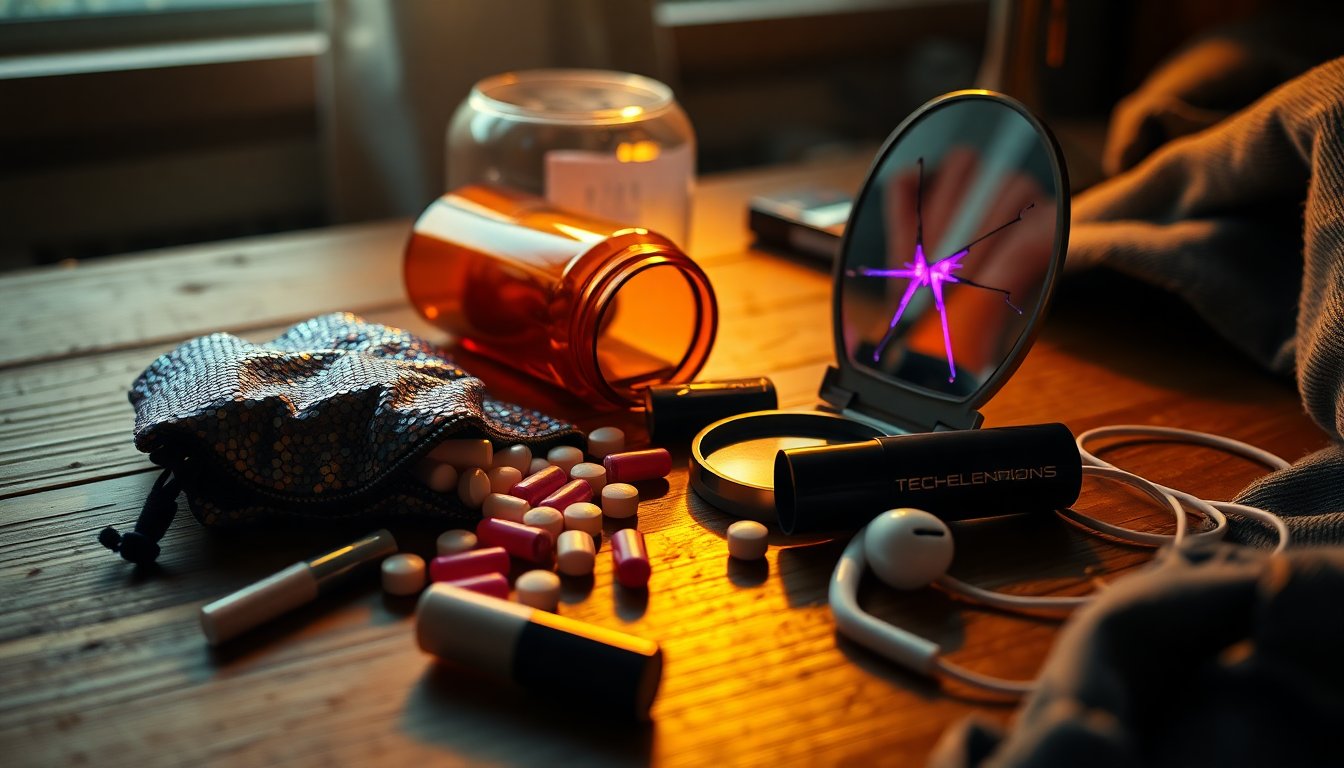
The HBO series Euphoria, created by Sam Levinson, trades in amplified teenage drama: a recovering addict navigating high school, volatile romances, and a visual style that pushes toward the operatic. At the center is Rue Bennett, played by Zendaya, whose exit from rehab and immediate relapse anchors the series’ moral and emotional register. Critics and viewers have been split between praise for the show’s raw moments and discomfort with its frequent reliance on shock. Part of that tension comes from Levinson’s reported creative approach — described by some as a solitary showrunner process — which prioritizes striking images and sudden plot turns over steady procedural accountability.
One of the earliest sequences that strained credibility appears in season one, when the character Nate Jacobs assaults a peer named Tyler and then manipulates the aftermath so that Tyler is jailed. That storyline — where a violent act leads to incarceration without meaningful investigation or public reckoning — remains a sore point for many viewers because it undercuts any sense of realistic consequence. The dissonance gets worse when the series asks audiences to accept escalating extremes alongside intimate character moments; the result is a show that can feel both powerfully alive and carelessly untethered to cause and effect.
How season two amplified both strengths and faults
Season two deepened emotional cores while simultaneously turning up the spectacle. Standout scenes — notably the episode “Stand Still Like a Hummingbird” that helped Zendaya secure an Emmy — showcase the series’ capacity for intense performance and immersive filmmaking. Yet those highs sit beside choices that strain believability: a missing suitcase of drugs that creates high-stakes peril but then resolves with an oddly light touch, and a high-school production that resembles a professional Broadway show more than a school play. These contrasts illustrate how the series blends visceral drama with moments of implausible grandeur, a stylistic mix that delights some viewers and alienates others.
The emotional core versus shock tactics
Amid the fanfare, season two delivers genuine emotional payoffs: Lexi’s play holds a mirror up to the group, Cassie’s pregnancy and subsequent choices create heartache, and Fezco’s arc brings a street-level perspective to Rue’s addiction. But those beats often coexist with abrupt, sensational turns — sudden deaths, violent confrontations and theatrical set pieces — that feel designed more to provoke than to resolve. The tension between deep character work and what many call shock value forces the audience to constantly recalibrate what stakes actually matter in the story.
What season 3 must reconcile
Season three is positioned as a conclusive chapter that jumps forward five years, a creative time jump intended to transition characters into adulthood. It arrives with real questions to answer: will Rue finish her story with the dangerous dealer Laurie, can accountability be established for Nate’s earlier actions, and how will Cassie and Nate’s relationship play out after the firestorm of prior seasons? The new season also faces the practical matter of cast changes: Barbie Ferreira and Storm Reid are not returning, while many leads including Zendaya, Hunter Schafer, Alexa Demie, Sydney Sweeney and Jacob Elordi do return. The season is set to premiere on April 12 at 9 P.M. EST on HBO and HBO Max, and it must balance closure with the show’s signature stylistic ambition.
Cast shifts, losses and new arrivals
Off-screen developments complicate the production landscape: the passing of actors such as Angus Cloud and Eric Dane affects how certain storylines can proceed, while departures like Barbie Ferreira’s were explained publicly as creative and personal boundaries. New names have been announced to the ensemble, including social-media figures and guest performers, which may change tonal dynamics. All of this underscores a broader challenge for season three: tying up arcs in ways that feel earned, not merely sensational, while adapting to an evolving cast and creative context.
What the show should fix to stick the landing
For many viewers the remedy is straightforward: introduce consistent consequences and maintain emotional payoffs without leaning solely on spectacle. That means addressing unresolved threads — the Tyler assault aftermath, Rue’s debts with Laurie, Fezco’s future — with clarity and dramatic weight. It also means allowing quieter moments to land, trusting character-driven beats instead of defaulting to extreme escalation. If Sam Levinson and the team can balance the series’ visual delirium with sober narrative accountability, season three has a shot at shaping a satisfying conclusion rather than simply another headline-grabbing chapter.
Finally, anyone affected by the themes in Euphoria should know resources exist: for addiction help see the Substance Abuse and Mental Health Services Administration at SAMHSA or call 1-800-662-HELP (4357); for domestic violence support contact the National Domestic Violence Hotline at 1-800-799-7233. As viewers prepare for April 12, approach the new season with curiosity and a critical eye — there is much to admire in the show’s craft, but also important questions about responsibility that remain to be answered.