
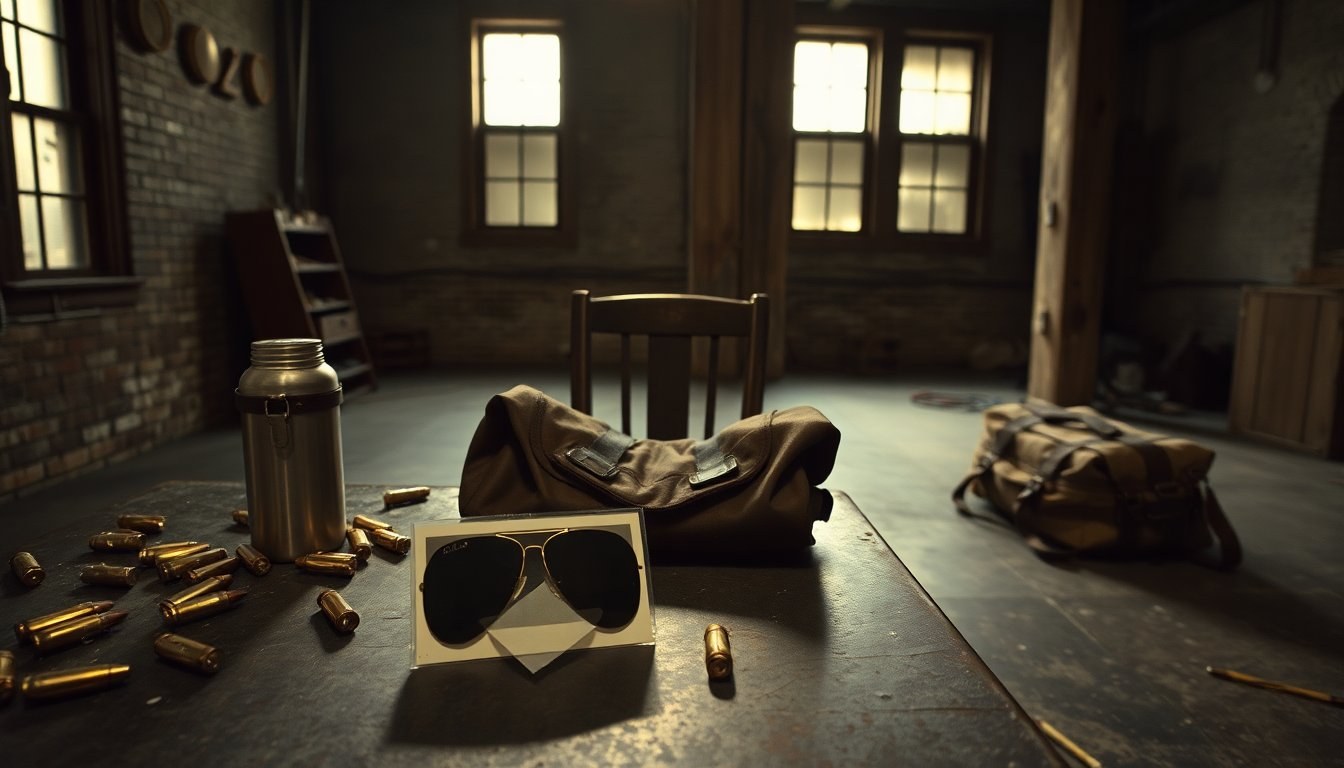
The film Free Fire, directed by Ben Wheatley, is built around an audacious conceit: an entire feature devoted to a single, escalating gunfight. Set in Boston in 1978, this compact picture runs a brisk 90 minutes and turns what could have been a gimmick into a sustained exercise in tone, timing, and character interaction. Rather than presenting gunplay as balletic or heroic, Wheatley stages it as chaotic, often absurd, and frequently clumsy, which reshapes how the viewer experiences action cinema.
The scenario driving the film is straightforward: two groups meet in a deserted warehouse to complete an arms transaction that quickly deteriorates. Key players include IRA figures and intermediaries portrayed by a strong ensemble—Cillian Murphy, Michael Smiley, Brie Larson, Armie Hammer, and Sharlto Copley among them—each contributing to an oddball chemistry that feels less like combatants and more like participants at a disastrous social gathering. That juxtaposition of friendly banter and sudden violence is one of the film’s defining textures.
Rethinking action: awkwardness over elegance
Where many contemporary action films celebrate precision and choreography, Free Fire embraces imperfection. The movie deliberately avoids making its characters infallible shooters; instead it leans into their poor aim, the small wounds that accumulate, and the mundane mechanics of staying alive. This choice reframes the single-location action film concept: the firefight is less a showcase of virtuosity and more an extended problem to be managed. By doing so, Wheatley highlights the physical consequences of violence and exposes the silliness that can thrive in high-stress situations.
Characters, motives, and surprising camaraderie
Despite the life-or-death stakes, much of the movie feels like a strange get-together that has spun out of control. The cast divides into competing factions but still shares plenty of small, human moments—shared cigarettes, tense bargaining, and offhand insults. One character, Stevo, actively escalates the conflict, but most participants are motivated by survival rather than vengeance. That makes the exchange of fire feel oddly interpersonal: when bullets hit or limbs are grazed, the characters react like people at a disastrous dinner party who suddenly remember they’re supposed to have allegiances.
Humor in the crossfire
The film mines comedy from its predicament without undercutting danger. Instead of broad slapstick it prefers dry, situational wit: misfires that lead to awkward retreats, conversations across the room about trivial matters, and brief truces born from necessity. The humor works because the audience recognizes the characters’ humanity; they are not caricatures of violence, they are flawed, talkative people who find themselves trapped in escalating chaos. These quieter beats become the movie’s emotional core, letting relationships and small gestures carry weight between bursts of action.
Craft, sound, and pacing choices
Technically, Free Fire earns much of its impact through judicious use of sound design and editing. Weapons bark and ricochet with a raw, tactile presence, and the film frequently places important dialogue off-camera so that overlapping conversations feel alive and layered. If you have a good audio setup, the surround elements make the warehouse feel inhabited; the spatial audio emphasizes unseen movement and heightens tension. The editing resists constant escalation, alternating furious exchanges with lulls where character interaction matters most—this balance prevents the premise from wearing out its welcome.
Why the concept succeeds
The movie could easily have been a high-concept stunt that runs out of steam, but Wheatley and his co-writer avoid that trap by trusting the cast and letting personality fill gaps that pure action might leave blank. Strategic interruptions, inventive staging, and a willingness to let scenes breathe turn the film into more than a novelty. The pieces come together so the central shootout reads as a microcosm of human behavior under pressure, where survival instincts, petty grievances, and crude teamwork all collide. For viewers open to an offbeat approach to violence, the film offers a fresh, controlled take.
In the end, Free Fire is an unconventional piece of action cinema: lean, noisy, and often funny in the bleakest ways. Its ensemble performances and audacious structural choice make the movie worth a look for anyone curious about variations on the genre. The film was released on March 31, 2017, and its tight 90-minute runtime keeps the experiment focused, making it an efficient and memorable viewing experience—one you may find on streaming services like Netflix.


