
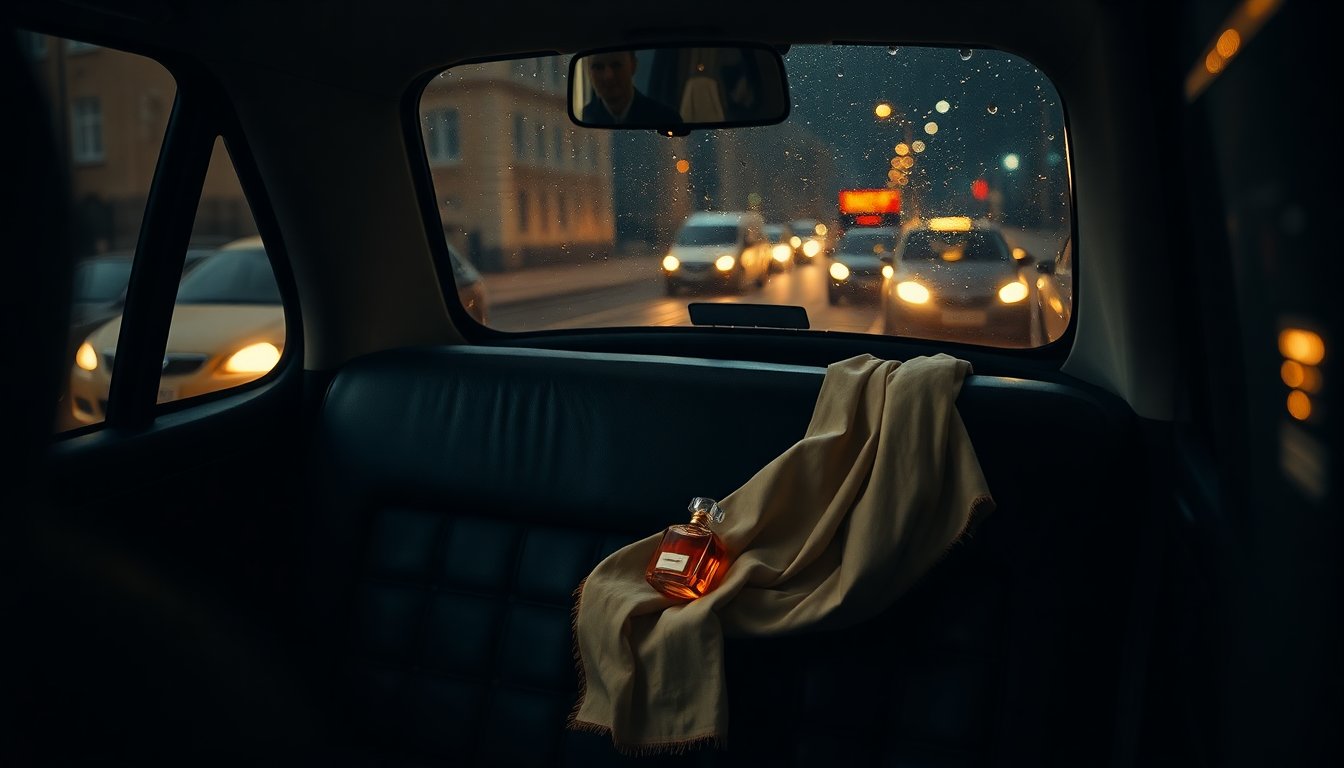
The ITV drama Believe Me brings together a mix of established and rising British actors to retell the ordeals surrounding John Worboys, the man often referred to as the “Black Cab Rapist”. The four-part series is written and executive produced by Jeff Pope and directed by Julia Ford, and it deliberately places survivors at the heart of the storytelling rather than dwelling on the perpetrator’s notoriety. Using screen names to protect identities, the drama reconstructs how several women reported assaults and encountered a system that repeatedly left them feeling unheard.
At its core the series examines the intersection of personal trauma and institutional response. The narrative explores the routine encounters survivors faced after reporting assaults: repeated interviews, invasive medical examinations and investigative processes that too often cast doubt on their accounts. Filmed in Cardiff with support from Creative Wales and produced by Etta Pictures in association with ITV Studios, the drama will debut on ITV and ITVX when broadcast dates are announced.
What the series covers
Believe Me focuses on a catalogue of failures as much as on individual experiences. The real-life John Worboys was convicted in 2009 for offences, including sexual assault and drugging with intent, affecting twelve women between 2006 and 2008, with investigators linking him to many more suspected victims. The drama reconstructs his alleged method — described in court as his modus operandi — of offering a spiked celebratory drink after claiming a gambling windfall, which rendered women unconscious. Rather than sensationalising crimes, the series chooses to trace the administrative and emotional trail left by those assaults.
The victims’ perspective
The central characters include Sarah and Laila, portrayed by Aimée-Ffion Edwards and Aasiya Shah, respectively, who represent survivors whose real names have been replaced with pseudonyms for their protection. The drama also features Miriam Petch as Carrie, a young woman who is shown narrowly escaping an attack and later contributing publicly to the campaign for recognition. Through scenes of reporting, medical examination and repeated police questioning, the series aims to convey how the process compounded trauma and left many feeling officially disbelieved — a theme that gives the show its title.
Legal and institutional scrutiny
Scenes depict interactions with the Metropolitan Police and the procedural choices that affected investigations. The creative team highlights systemic problems rather than pointing to a single culpable officer; director Julia Ford has described the drama as an examination of how institutions can fail survivors. Jeff Pope, whose previous work has included projects that investigate real crimes and their aftermath, emphasises that his focus is on human consequences, avoiding attempts to glamorise or psychoanalyse perpetrators.
Portraying a predator: casting and craft
Daniel Mays takes on the difficult role of John Worboys, a performance the actor and producers approached with care. Mays has worked with Pope before and described the project as both a significant acting challenge and an emotionally taxing responsibility. To safeguard cast wellbeing, production provided access to counselling and worked with an intimacy coordinator to manage sensitive scenes. The goal was to render moments with verisimilitude while protecting performers from retraumatisation and maintaining professional boundaries on set.
On-set safety and aftermath
Support measures
The team integrated practical measures: an intimacy coordinator, a trauma-informed approach to rehearsals and access to a therapist for cast members to debrief. These safeguards were described by cast and crew as essential when staging the claustrophobic taxi sequences and other fraught encounters. The production’s intent was to create a space where actors could pursue truthful performances without compromising personal safety, and to enable difficult material to be handled responsibly for both viewers and participants.
Production context and why it matters
Produced by Etta Pictures and distributed by ITV Studios, Believe Me was shot in Wales and will be available on ITV and ITVX when scheduled. Beyond its immediate narrative, the drama contributes to ongoing public conversations about how police investigations, victim care and institutional culture intersect. By focusing on survivors’ experiences and the aftermath of reporting, the series seeks to spark discussion about belief, accountability and reform rather than offering a simple crime procedural.


