
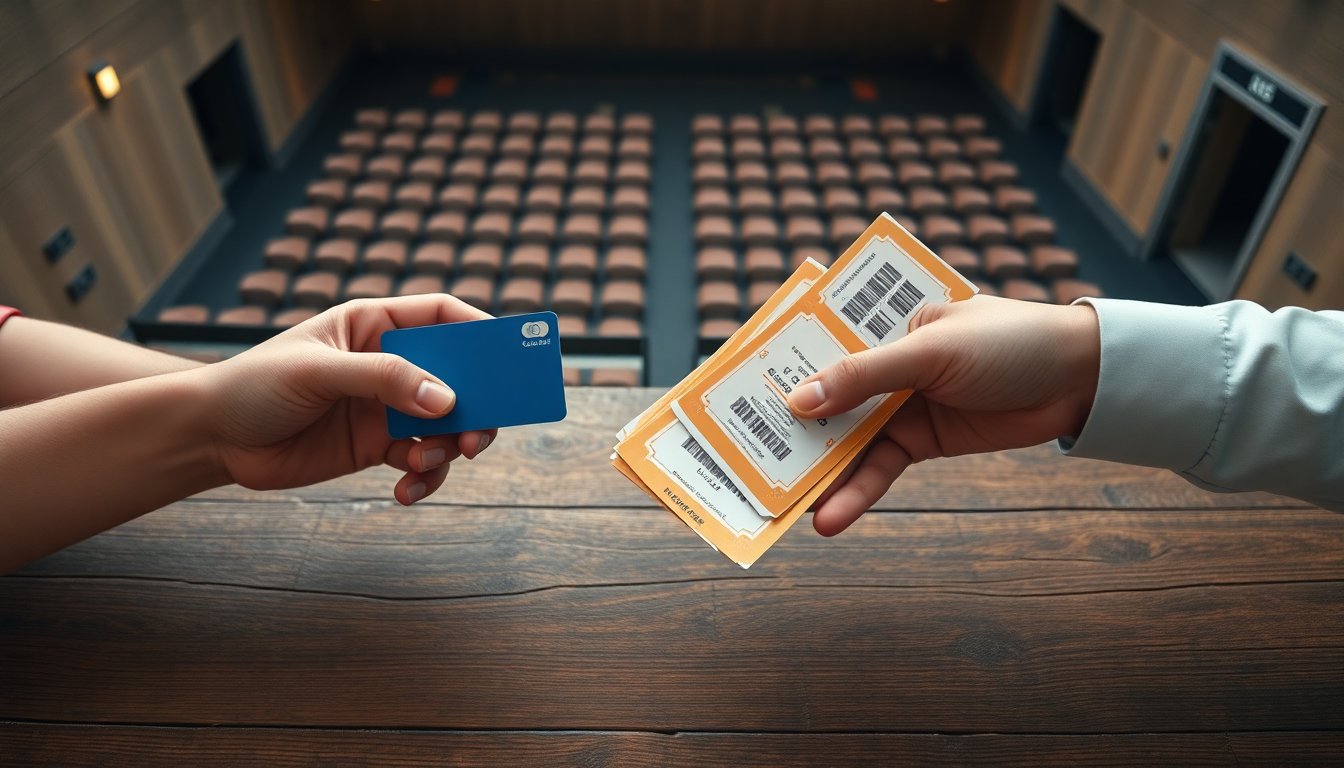
Bruce Springsteen and the E Street Band returned to arenas this year amid a sharp public debate over ticket pricing. Fans celebrated the tour announcement and rushed to buy seats when the primary on-sale began. At the same time, widely varying price points—from relatively affordable sections to premium placements listed at thousands of dollars—sparked intense online reaction and industry scrutiny. The episode has since raised pointed questions about the mechanics of primary sales, the role of resellers, and the responsibilities of artists who bill themselves as champions of working-class audiences.
Industry experts confirm this episode reflects larger tensions in live music economics. The trend that’s taking over major tours is dynamic pricing and tiered inventory that can produce stark price disparities. Those dynamics shaped what buyers encountered during the initial on-sale and how secondary markets responded, making the debate about fairness both practical and symbolic.
What fans encountered during the on-sale
What fans encountered during the on-sale was a visible price band on ticket screens. Listings on some event pages advertised ranges — for example, prices “from $84.55 to $3,007.20, including fees.” Those banner figures provided a form of pricing transparency. They signalled the outer bounds of possible purchase prices. Yet the banners did not describe how available seats were distributed across that span. In practice, only a small share of inventory sat at either extreme of the advertised range.
Distribution of face-value prices
Data reviewed for this article show most tickets clustered in a mid-price band rather than at the minimum or maximum. Industry experts confirm the advertised low and high figures often represent a tiny subset of seats, reserved for limited sections or specific packages. Prominent ticketing platforms display banner ranges to communicate the theoretical spread of prices. Those figures can therefore mislead consumers about the likelihood of securing the lowest-priced seats.
Why does this matter? The gap between advertised extremes and the actual distribution shaped buyer expectations during the on-sale and influenced secondary market behaviour. Analysis of inventory snapshots indicates a skew toward mid-range face values, with only occasional blocks priced at the very low or very high end. Subsequent sections will examine how that distribution interacted with demand and resale dynamics.
Ticket pricing for premium sections emerged as a focal point as sales opened, with a clear stratification between high-end and budget options. Industry experts confirm pricing concentrated where demand and visibility peak, while more affordable seats clustered in upper tiers. The pattern reflected a calibrated release strategy designed to capture collectors and casual fans alike. The trend that’s taking over in live events pairs conspicuous premium face values with faster-moving, lower-priced inventory further from sightlines, a dynamic that shaped buying behavior during the initial on-sale.
For buyers seeking what market observers described as a good position — floor sections, front-facing loge or premium seating — initial face values mostly ranged between $400 and $1,200. Cost-conscious fans could still find acceptable vantage points in upper-level rows, where certain rear or upper loge seats listed near $130 to $180 and sold quickly. Standing-room general admission in front of the stage began in the low hundreds, a historically prized option for dedicated attendees.
How pricing mechanics looked
How pricing looked on day one
Dynamic pricing showed little immediate impact in the opening hours of primary sales, according to sampled listings. Seats were designated as either “platinum” or “standard,” a label that can imply price adjustments based on demand. Early checks of face values, however, found them largely unchanged across sessions. Secondary marketplaces, by contrast, responded almost immediately, producing divergent price signals that reflected real-time buyer behavior rather than the primary-sale face values.
Resale behavior and public reaction
Once tickets moved into the secondary market, prices followed a familiar supply-and-demand pattern. Resale platforms reported median prices in the low thousands across several major markets, with entry-level resale options and premium packages varying substantially by city and venue. For specific dates, resale medians rose into four-figure ranges and the highest listings reached far larger sums for private suites and bundled experiences. Industry experts confirm that this split between primary stability and secondary volatility is typical when demand outstrips allocated inventory.
Fan outrage and political optics
Public frustration surfaced quickly as fans and some public figures criticized the apparent gap between face values and resale levels. Those in fashion and ticketing circles note the optics are sensitive: labeled premium sections suggesting adjustable pricing can become a political flashpoint when secondary markets push prices sharply higher. The trend that’s taking over in commentary is scrutiny of distribution controls and whether more transparent allocation could ease market distortions.
The reporting continues to follow both platform data and expert commentary to monitor whether primary sellers introduce genuine dynamic pricing later in the cycle or maintain stable posted prices while secondary markets dictate eventual access costs.
Following early ticketing dynamics, reactions on social media ranged from frustration to moral criticism. Fans contrasted the artist’s long-standing image as a working-class advocate with the visibility of very high-priced front-row seats. Posts and tweets described the tour as out of touch after banner price ranges appeared well above typical levels. Many questioned whether the artist or promoter would offset costs for average supporters. The debate underscores a wider tension about access, optics and the commercial logic of modern touring.
The fan backlash and public debate
Fans led the public conversation by highlighting a perceived mismatch between rhetoric and pricing. Critics argued that premium seat visibility damaged trust with a core audience. Supporters of accessibility focused on fairness and artist accountability. Others framed the issue as a symptom of a larger market problem rather than a single actor’s failing. Industry commentators noted the intensity of the backlash amplified through rapid social sharing.
Industry perspectives and market mechanics
Analysts point to two competing logics driving pricing decisions. One logic prioritizes affordability to protect fan loyalty and public image. The other aims to price closer to market-clearing levels to limit scalper profits and capture more revenue at primary sale. Some economists argue that low posted prices simply shift surplus to secondary markets. Promoters and venues respond that complicated ticketing rules, dynamic allocations and resale controls partly dictate outcomes.
What this means for artists, fans and the sector
For headline acts, pricing choices now carry reputational as well as financial consequences. Fans may judge acts on perceived solidarity with their base as much as on creative merits. For the industry, the episode renews debate over policy tools such as verified resale, dynamic primary pricing and caps on secondary-market markup. Policy makers and trade bodies will likely revisit guidance as stakeholders seek clearer standards.
Looking ahead: trends and practical considerations
Those in fashion and entertainment know public perception matters as much as pricing mechanics. Industry experts confirm that transparency and mixed pricing strategies are gaining traction. Promoters who combine targeted affordability with stronger resale controls may reduce backlash. Observers will watch whether headline acts adopt clearer policies on affordability or defer pricing changes until secondary market behavior shifts. The debate is likely to shape ticketing practice in the months ahead.
The artist perspective
The debate is likely to shape ticketing practice in the months ahead. From an artist’s viewpoint, pricing is a balance between immediate revenue, long-term reputation and limited supply. Legacy acts or shows with short runs cannot recover lost sales by adding dates. That constraint increases pressure on promoters to set a broader range of prices to capture different willingness to pay. Industry experts confirm that these choices also reflect careful brand management and future touring potential.
How fans signal value
Fans express preferences through purchase behaviour, often more loudly than through social media. Long online queues and visible seat maps can prompt buyers to abandon transactions after seeing available sections and prices. Such drop-offs send a clear market signal: some buyers react to perceived price disparities or to the friction of the purchase process itself. The trend that’s taking over among ticket platforms is closer monitoring of conversion rates to adjust offers in near real time.
Promoter considerations and practical trade-offs
Promoters weigh several trade-offs when setting prices for constrained shows. Wider price bands can increase total revenue, but they can also risk alienating core audiences and attracting criticism. Dynamic adjustments aim to maximize yield while protecting the artist’s public image. The most innovative promoters focus on tiered experiences and verified resale channels to reduce arbitrage and preserve perceived fairness.
What to watch next
Expect more data-driven experiments and transparency measures from ticketing platforms and tour teams. Industry experts confirm that clearer seat descriptions, staged inventory releases and verified fan initiatives will influence buyer trust. Those in fashion and music promotion know that reputation effects can outlast a single tour. Observers should monitor conversion metrics, resale patterns and artist statements as indicators of how pricing strategies evolve.
The role of secondary markets and large promoters
Observers should monitor conversion metrics, resale patterns and artist statements as indicators of how pricing strategies evolve. Industry experts confirm that secondary markets and major promoters shape public perception of value. When platforms and promoters display price ranges openly — for example, banners that state a minimum and maximum price — the underlying economics become more visible. That transparency can also heighten emotional responses when top-tier numbers appear steep. The practice pushes secondary-market dynamics into the open and reframes debates over fairness and access.
Audience experience and perceived value
Those in the live-entertainment sector note a distinction between headline prices and the in-venue experience. Attendees frequently report that a two- to three-hour show with a full-band performance meets expectations. In many cases, the quality of the experience mitigates post-show complaints about ticket value. Industry experts confirm that perceived satisfaction depends on production scale, set length and seating sightlines. Promoters and artists will likely weigh those factors against revenue goals when setting future price bands.
What to watch next
Promoters, platforms and policymakers will be central to the next phase of the debate. The trend that’s taking over involves greater transparency in listing practices and clearer signals about resale availability. Analysts will track conversion rates, refund requests and secondary-market spreads as immediate indicators. For artists, reputational risk and long-term audience relations remain deciding factors in pricing choices. Expect continued adjustment as data on sales, attendance and complaints accumulates and informs strategy.
The trending moment: clear signals, sharp reactions
Expect continued adjustment as data on sales, attendance and complaints accumulates and informs strategy. The Springsteen on-sale highlighted persistent market frictions. Visible price ranges offered consumers clearer expectations while provoking public criticism. Promoters and ticket platforms framed transparency as a remedy for opaque resale practices. Industry observers say those visible ranges can reduce short-term confusion but also sharpen debates over fairness.
Expert insights: pricing, resellers and artistic identity
Industry experts confirm that primary pricing strategies now interact more directly with the secondary market. Dynamic and tiered pricing modulates immediate demand and sets reference prices for resellers. That interplay often determines the ultimate cost fans face, not the headline price from promoters. Artists face a dual challenge: reconcile revenue needs with reputational risks tied to perceived ticket scarcity. The trend that’s taking over sees teams deploy real-time data to fine-tune allocations and to attempt to curb speculative resale.
What to watch next
Which metrics will matter most going forward? Conversion rates, resale velocity and complaint volumes will shape future policy. Regulators and venue operators are watching for signs that transparency measures materially lower aftermarket premiums. Those in fashion and live entertainment know that credibility matters; artists may increasingly condition tour announcements on ticketing safeguards. Expect each major on-sale to function as a live test of evolving practices rather than a one-off event.
Practical implications for stakeholders
For promoters, the imperative is clearer: use data to align inventory strategy with public expectations. For platforms, technological fixes must balance usability with anti-gaming measures. For artists, communication remains crucial—statements on pricing policy can influence public perception as much as the headline ticket cost. Industry experts suggest continued experimentation with verified fan programs, queueing systems and partial holdback strategies to limit speculative resale.
The debate will persist as market structures and ticketing technology evolve. Watch upcoming on-sales as barometers for which approaches work, and which generate new controversies.