
The evidence
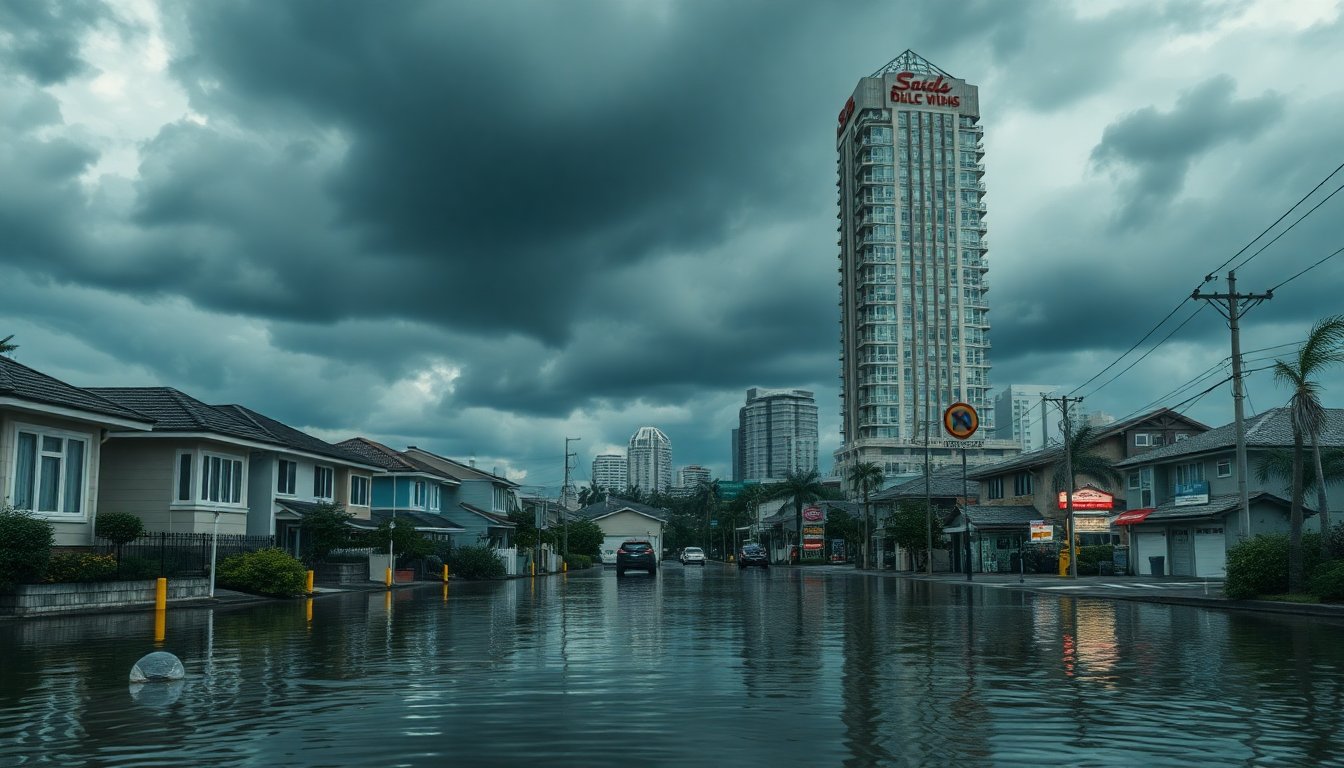
The effects of climate change are increasingly visible across the globe, particularly in coastal cities that contend with rising sea levels and extreme weather events. These urban areas, characterized by dense populations and significant economic activity, are at the forefront of climate change’s impacts. Documents in our possession show that many of these cities are experiencing more frequent flooding, intensified storms, and coastal erosion.
The investigation reveals that the economic repercussions are profound. According to papers reviewed, billions are lost annually due to damage from severe weather, prompting local governments to reconsider their infrastructure investments. Records show that some cities are adopting innovative solutions, such as sea walls and improved drainage systems, to combat the immediate threats posed by climate change.
This article aims to methodically investigate the evidence surrounding this pressing issue, outlining various dimensions of how climate change is reshaping coastal cities.
The evidence of climate change impacts
Numerous studies have documented the rising sea levels attributed to climate change. Data from NASA indicates an increase of approximately 3.3 millimeters per year since 1993. The National Oceanic and Atmospheric Administration (NOAA) warns that by the end of the century, sea levels could rise by as much as 6.6 feet if greenhouse gas emissions continue unchecked. This alarming statistic poses significant risks for coastal cities such as New Orleans, Miami, and New York, where inundation and flooding are becoming more frequent.
Extreme weather events, including hurricanes and heavy rainfall, have intensified over the past few decades. The 2017 hurricane season, which saw Hurricanes Harvey, Irma, and Maria wreak havoc across the Caribbean and the Gulf Coast, serves as a stark reminder of the vulnerabilities faced by these regions. According to the Intergovernmental Panel on Climate Change (IPCC), the intensity of these storms is likely to increase as global temperatures rise. This trend will lead to more devastating impacts on coastal infrastructure and communities.
The reconstruction of affected areas
In the aftermath of extreme weather events, cities are increasingly compelled to address the challenges posed by climate change. Urban planning and infrastructure investments are critical in this context. For instance, New Orleans has initiated a $14 billion coastal restoration plan aimed at rebuilding levees, restoring wetlands, and enhancing drainage systems. This extensive reconstruction effort underscores the necessity for proactive measures in response to ongoing climate threats.
In a similar vein, Miami is making significant investments in resilience projects. These include elevating roads, improving drainage, and restoring natural ecosystems. The city’s “Rising Sea Level Strategy” presents a comprehensive approach to tackle these challenges. However, critics contend that the pace of these adaptations is inadequate given the urgency of the climate situation.
Key players and stakeholders
The response to climate change impacts in coastal cities involves numerous stakeholders, including local governments, environmental organizations, and community groups. Public agencies, such as the Federal Emergency Management Agency (FEMA), play a vital role in disaster response and recovery efforts. Non-profit organizations advocate for sustainable practices and policies aimed at addressing climate challenges.
Moreover, scientists and researchers provide essential data and forecasts that inform urban planning and policy decisions. Collaboration among these stakeholders is critical to developing effective strategies for mitigating climate risks. However, conflicting interests can complicate these partnerships. Economic development pressures often clash with goals of environmental conservation, creating challenges in achieving consensus on adaptation measures.
Implications for the future
The implications of climate change for coastal cities are profound and multifaceted. Economically, the cost of adapting to rising sea levels and extreme weather is staggering. The National Institute of Building Sciences estimates that every dollar spent on hazard mitigation saves society an average of $6 in future disaster recovery costs. However, many cities struggle to secure the necessary funding for these initiatives.
Socially, the impacts of climate change are likely to exacerbate existing inequalities. Vulnerable communities, often the most affected by flooding and displacement, face significant barriers to recovery and adaptation. The Urban Land Institute emphasizes the importance of equitable planning that considers the needs of all residents, particularly those in marginalized neighborhoods.
As coastal cities continue to navigate these challenges, the need for comprehensive, coordinated action becomes increasingly urgent. The decisions made today will shape the resilience of these urban areas for generations to come.