
If you follow behind-the-scenes conversations about television, Damian Marcano’s story is a clear example of how a distinct personal history can meet a series’ needs. Marcano, who has credits including Lawmen: Bass Reeves, Emperor of Ocean Park, and Winning Time: The Rise of the Lakers Dynasty, approached medical drama differently than many peers. His upbringing in Port of Spain taught him to move fast and adapt, skills he says translated well to the intense, efficient rhythm of The Pitt. On March 12, 2026, Marcano spoke about joining the series and how a simple instruction from Noah Wyle shaped a low-ego, collaborative atmosphere that informed everything he shot.
Marcano also discussed concurrent projects, including his work on Netflix’s adaptation of All the Sinners Bleed starring Ṣọpẹ́ Dìrísù and Nicole Beharie, and how those varied experiences reinforced his filmmaking priorities. He credits the show’s creative environment—driven by showrunner Scott Gemmill and executive producer John Wells—for allowing directors to innovate inside a consistent visual and narrative framework. That framework, Marcano emphasizes, starts with a culture of humility and mutual respect, summed up by a note Noah left in the production binders: leave your ego at the door. That ethos is part of the reason the series has connected so strongly with audiences.
Roots, influences and a collaborative visual language
Marcano frames his approach to the series as a reunion with earlier instincts: speed, precision and a joy in teamwork. Working with a French cinematographer he calls Jojo Coelho, he found the chance to recapture a tactile filmmaking style he admires, one that prizes atmosphere and emotional truth over flashy technique. The director names Jojo as central to the look of the show — the pair leaned on camera language and steady visual choices to keep the series feeling cohesive. Marcano also notes that being part of a supportive crew allowed him to focus on performance and moment-to-moment choices rather than self-conscious directorial flourishes.
How he joined The Pitt and the production handshake
The door to The Pitt opened when Marcano was in Chicago on another job and took a call with John Wells and Scott Gemmill. Initially skeptical of his fit for a hospital series, Marcano found the project attractive because of the production culture he had experienced working under Wells. He remembers being reassured by the creative team’s practical approach and by early meetings with Noah Wyle. The actor’s binder note about setting egos aside became a practical production principle rather than a slogan, shaping director-actor interactions and fostering a climate where technical teams and performers could prioritize authenticity over individual display.
On-set mechanics: baton passing, stage walks and long-term visual continuity
Relay directing and protecting the image
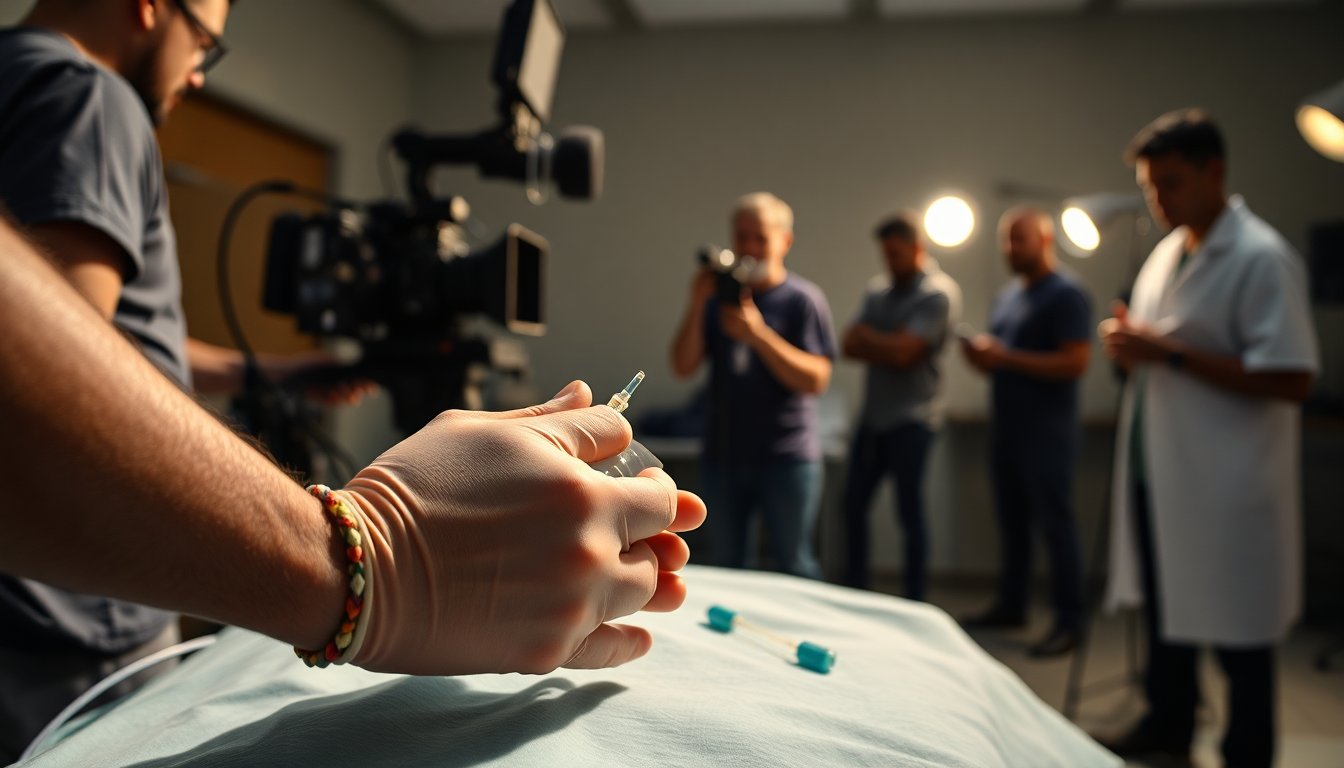
Directors on the show operate like runners handing off a baton, Marcano explains: each director builds on what precedes them while protecting the series’ visual continuity. He praises co-executive producer Uta Briesewitz and highlights the camera team — naming operators and crew such as Erdem Ertal and Aymae Sulick — for maintaining a consistent visual voice. He singles out Jojo Coelho’s contribution, noting she has shot all 30 episodes of the series so far, a rare continuity that helps protect the show’s image. That sustained collaboration lets directors take risks within a trusted framework rather than reinventing language episode to episode.
Staging the panic attack: logistics and feeling
One of the most talked-about sequences in Season 2 Episode 10 (titled “4:00 P.M.”) is Mohan’s panic attack, played by Supriya Ganesh. Marcano described the technical problem-solving required to make the moment feel immediate and claustrophobic: connecting two separate sets on adjacent stages, balancing air and humidity, and choreographing camera moves that tracked sweat, breath and the narrowing field of vision. The team relied on small production details — prop continuity, stage temperature, and tight close-ups — to transform physical conditions into an almost tactile sense of overwhelm. Those specific choices made the scene land with the emotional truth the script demanded.
Conclusion: gratitude, craft and audience trust
Marcano ends by reflecting on how the series’ atmosphere helped him give his fullest creative self to the project. The low-ego mandate, the steady presence of a single DP across seasons, and the habit of cross-episode stage walks all contributed to a working environment where directors could focus on performance and meaning. He describes the process as a team sport that rewarded humility and craft, and he credits the crew and cast for turning that approach into episodes that resonate with viewers. As Marcano and the team continue to build the show’s world, their collaborative methods remain the show’s most visible achievement.