
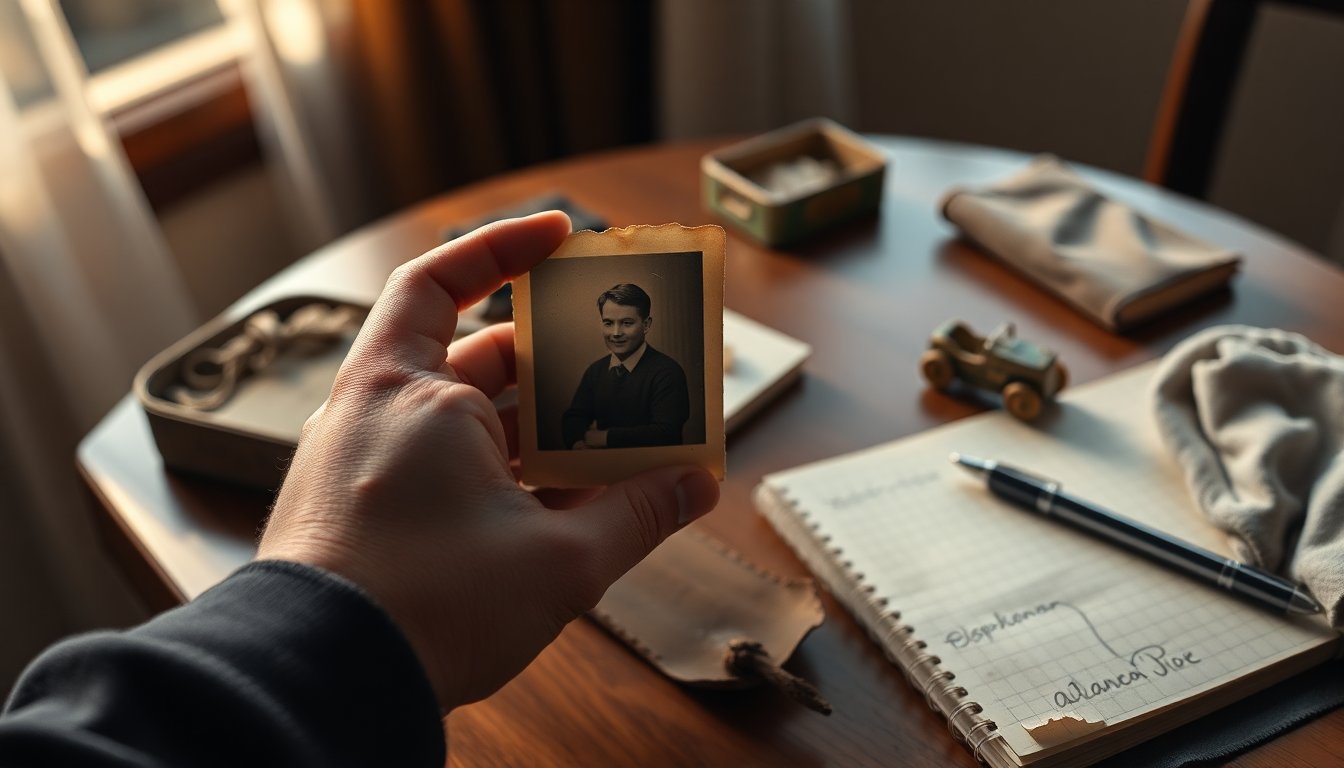
The new streaming drama Dear Killer Nannies—debuting via Disney+ and Hulu—takes a deliberately different route through a familiar landscape. Co-created by Sebastián Ortega, Sebastián Marroquín and Pablo Farina, the show intentionally avoids the usual trappings of narco-dramas: there are no cinematic displays of narcotics, no fetishized showpieces of wealth. Instead, the creators center the narrative on a boy learning to see his life for what it really was, offering an intimate study of identity shaped by violence. The producers emphasize that this is not another version of narcos storytelling but a portrait of a son confronting a notorious family legacy.
When Ortega first met Marroquín he realized the story demanded a subdued, human focus rather than action-driven spectacle. The series follows a young protagonist as he slowly unpacks what was normalized in his upbringing and comes to terms with the fact that his father, Pablo Escobar, committed extreme crimes. That awakening—terrifying, confusing and deeply personal—is the engine of the show. Viewers are placed inside the child’s experience rather than observing from a safe distance, which allows the drama to shift quickly from everyday tenderness to sudden brutality and back again, illustrating how love and horror can coexist within the same family dynamic.
A childhood under a notorious name
The program explores how a teenager, barely sixteen when his father died, had to step into adult responsibilities overnight. Sebastián Marroquín was the last person to speak with his father minutes before he was shot and killed, and that moment left a lifetime of ethical questions and survivor’s guilt. The series dramatizes his attempts to reconcile with the past: reaching out to victims’ families, publicly expressing remorse, and trying to make personal reparations. Marroquín chronicled many of these experiences in his book Sins of My Father, and the show gives him a chance to present those memories through dramatized scenes that emphasize the human consequences of a high-profile criminal life rather than the mechanics of the crime itself.
Contradiction: love and shame
One of the central tensions the series examines is the simultaneous affection and shame the protagonist feels toward his father. While other children of traffickers sometimes adopt a defiant posture, Marroquín’s story is marked by deep embarrassment about the harm caused and an ongoing, complicated love. The writers embrace tonal shifts—moments of casual family warmth can abruptly turn into terror, as when an ordinary drive becomes an ambush—so the viewer experiences the emotional whiplash firsthand. Influences like The Sopranos surface in the way the show blends brutality with darkly human comedy, showing that criminal environments can produce both caring and monstrous behavior in equal measure.
Making the series and the people behind it
The writing team includes Alejandro Quesada, Ana María Parra, Martín Méndez and Sebastián Ortega, while direction comes from Pablo Fendrik and Felipe Cano Ibañez. The production is a regional collaboration led by The Walt Disney Company Latin America, Telemundo Studios and TIS Productions, with distribution handled by The Walt Disney Company. The ensemble cast features Janer Villarreal, Miguel Tamayo, Miguel Ángel “Orión” García, Laura Rodríguez, Juanita Molina, Julián Zuluaga, Rafael Zea, Danharry Colorado and Julián Bustamante, and includes John Leguizamo in the role of Pablo Escobar. The production choices firmly support the show’s stated mission: to portray the psychological fallout of a criminal dynasty rather than to glamorize criminal enterprise.
Why this approach matters
Choosing to frame the story through a child’s eyes allows the creators to stress that nothing good comes out of violence. Marroquín’s real-life path involved years of therapy, public apologies, and symbolic renunciations of material comfort in pursuit of an ordinary life. The series underscores those steps—therapy, reconciliation efforts, and the slow, uncomfortable work of reorienting one’s life away from inherited wrongdoing. Anecdotes dramatized on screen—like tales of constant relocation, sleeping in unfamiliar places, or being surrounded by wealth while still lacking basic freedoms—ask viewers a simple question: is the power and profit worth the personal destruction? For the protagonist, the answer slowly becomes clear: it is not.
Final note
At its best, Dear Killer Nannies uses industry craftsmanship to shift the lens from spectacle to consequence. By prioritizing a son’s perspective, the series reclaims a narrative that has often been filtered through mythmaking or sensationalism and invites audiences to witness the long, painful process of confronting family history. The result is a story about memory, accountability and the difficult choices required to pursue peace after inherited violence.