
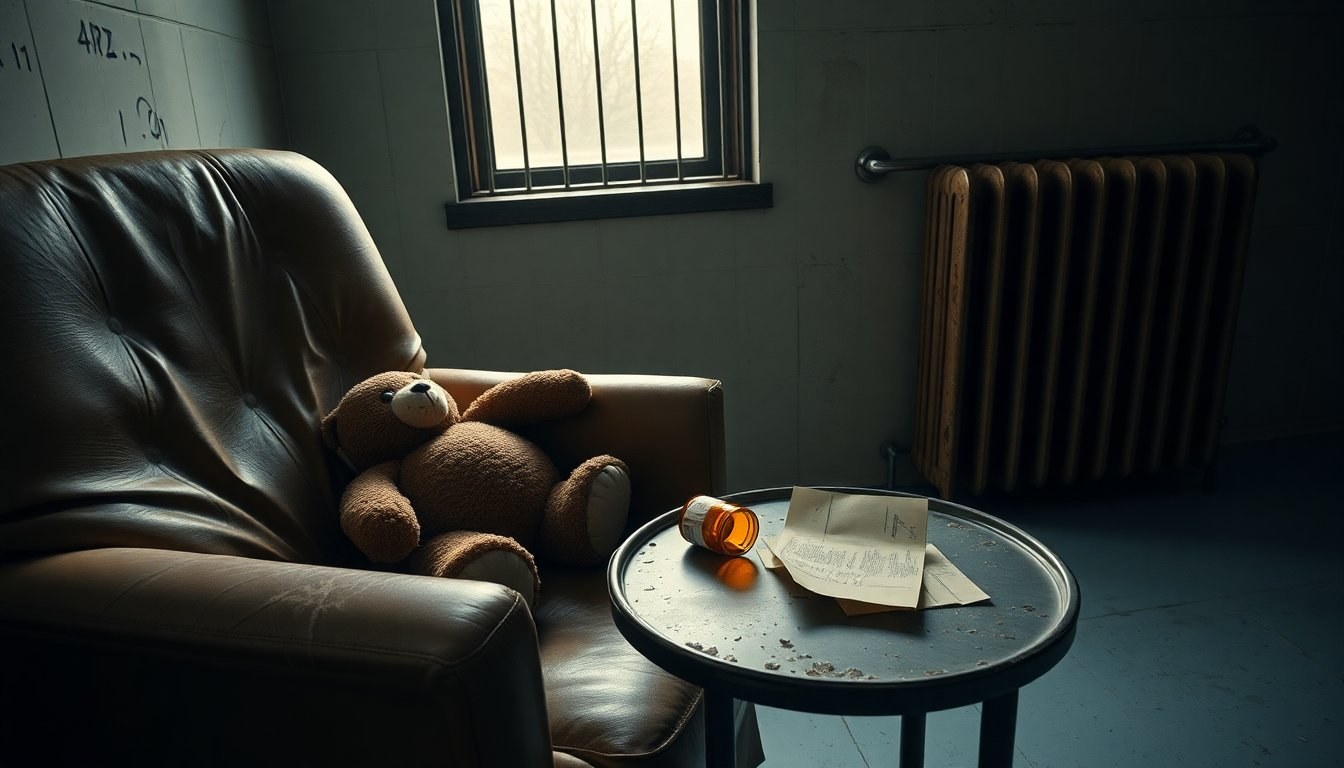
The third installment of The Terror anthology relocates its dread from icebound isolation to an urban psychiatric ward, offering a fresh premise that often feels more interested in people than pure frights. Based on Victor LaValle’s novel and shepherded for television by LaValle and Chris Cantwell, Devil in Silver plants viewers inside New Hyde, a run-down Queens facility that may harbor a literal fiend or merely the cumulative rot of neglect. The series is framed as an anthology entry, so it stands as a self-contained entry with a contemporary lens that foregrounds systemic issues in the U.S. health care system while attempting to deliver supernatural chills.
Setting and premise
The narrative opens with Pepper, a volatile protagonist whose impulsive actions—most notably punching police officers—result in a short-term commitment that inexplicably stretches beyond the expected seventy-two hours. He arrives to find an environment where routine care collapses into abandonment and rumor, and where older patients like Dorry assert knowledge that others dismiss. The institution is described as underfunded and mismanaged, a fertile ground for both paranoia and abuse. This brings psychological horror into sharp relief: is the menace inside the walls a supernatural horned presence, or is it the product of decades of neglect? The show forces that question continuously, turning the asylum itself into a character as consequential as any human.
Tone and execution
Horror mechanics and pacing
Director Karyn Kusama and the production lean into mood with moments of atmospheric sound design, shadowy figures, and occasional jump-focused beats, but many viewers may find the jump tactics curiously blunt. The series often chooses functional scene-to-scene momentum over sustained dread, favoring plot clarity and character beats instead of lingering shot compositions or mounting tension. That editorial choice creates brisk episodes that deliver story details quickly, yet it sometimes undercuts the potential for prolonged unease. The result is a show that can feel uneven: at times the supernatural imagery is evocative, and at other moments the fright elements recede behind explanations and institutional storytelling.
Themes and social critique
Where Devil in Silver gains its most authentic power is in its social observations. The series explicitly interrogates corporatization of health care, showing how owners and executives externalize costs and consequences while frontline workers and patients absorb the harm. Characters who try to escalate complaints encounter an indifferent bureaucracy, and doctors warn that responsibility for neglect will cascade down the chain to those who actually interact with patients. That critique turns the psychiatric ward into a microcosm of larger public policy failures, making scenes of quiet resignation and small rebellions more unnerving than some of the franchise’s overt supernatural set pieces.
Supernatural versus systemic horror
The show keeps the tension between literal and metaphorical threats alive: is the horned figure an embodiment of evil, or is it a shared hallucination fueled by trauma and inadequate care? This ambiguity is central to the series’ identity. When the narrative focuses on the practical consequences of underfunded institutions—missed medications, ignored complaints, and staff stretched thin—the horror feels rooted and credible. Conversely, when the plot leans into a clearly defined demonic antagonist, the series sometimes struggles to reconcile that creature with its incisive social lens. That ambivalence will satisfy viewers who prefer layered storytelling, while leaving pure horror fans wanting a more consistent sense of menace.
Characters and performances
The cast elevates the material, with Dan Stevens anchoring the story as Pepper: manic, determined, and charismatic in ways that allow him to oscillate believably between hope and despair. Judith Light delivers a particularly affecting performance as Dorry, a long-term patient who has adapted survival strategies after decades inside New Hyde. Their relationship becomes the emotional fulcrum of the season, and many of the show’s best moments arise from the chemistry between them. Supporting players like CCH Pounder, Chinaza Uche, and the performer credited as b add texture and humanity, creating a quartet whose bond and resourcefulness feel urgent and believable.
Supporting cast and direction
Other ensemble members—including John Benjamin Hickey, Marin Ireland, and Stephen Root—fill out the hospital’s ecosystem, though some roles are more functionally plotted than richly developed. The production benefits from executive production by Ridley Scott and a clear creative ambition to make social commentary matter as much as scares. While the series does not always blend its two impulses seamlessly, the performances keep viewers invested even when the supernatural thread frays. Devil in Silver ultimately emerges as an imperfect but thought-provoking addition to The Terror anthology, one that asks audiences to weigh the horrors of policy and neglect alongside the specter of something otherworldly. The Terror: Devil in Silver premieres May 7 on AMC, inviting viewers to judge for themselves whether the greater fright is demonic or systemic.


