
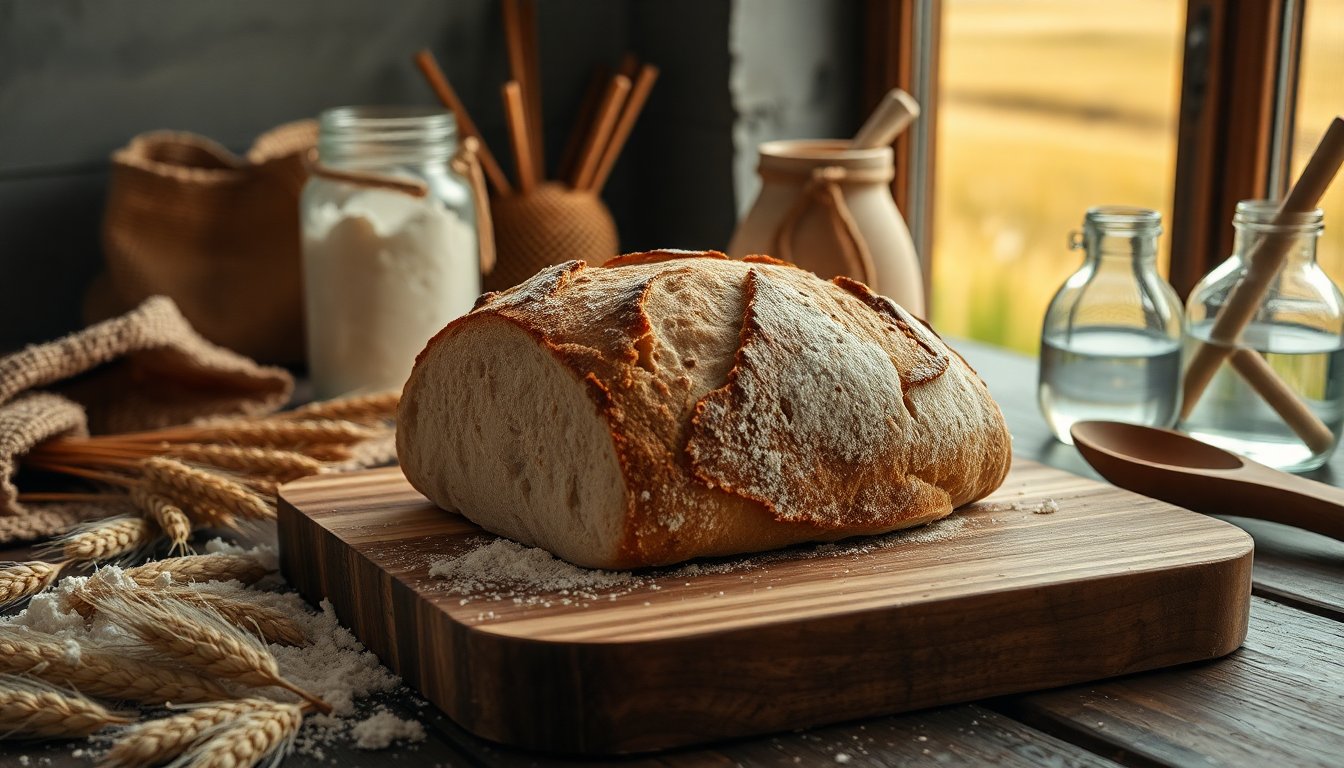
savoring bread: how fermentation shapes terroir flavors
opening the senses: the first breath of a warm loaf
Close your eyes and imagine tearing into a warm loaf: the crust crackles, steam rises, and a wave of umami-rich aroma unfurls. The palate never lies. Each nuance, from the nutty depth of the crumb to the sharp citrus of the crust, signals soil, grain, hands and time.
behind the scene: the story of flour, starter and land
Behind every dish there’s a story. The wheat in flour carries the memory of its terroir: rainfall, mineral profile and local farming practices. When combined with a living sourdough starter, that grain changes through the quiet alchemy of fermentation techniques. As a chef I learned that a loaf can act as a map—a compact, edible testimony of landscape and labour.
Technique made accessible: managing fermentation for flavor
As a chef I learned that a loaf can act as a map—a compact, edible testimony of landscape and labour. The palate never lies, and fermentation is the cartography that outlines terroir, texture and aroma.
Begin with a controlled temperature and patient timing. A cool, slow bulk fermentation increases organic acids and encourages the formation of aromatic esters. These compounds deliver tang, depth and layered aroma without masking the grain.
Use stretch and fold at regular intervals to develop gluten strength. This method builds structure without overworking the dough. Gentle handling preserves gas pockets and keeps crumb openness.
When shaping, create surface tension to promote oven spring and a crisp crust. A taut skin traps gases released during the final fermentation and directs them upward in the oven.
Monitor the dough rather than the clock. Look for visual and tactile cues: a dough that holds a gentle indentation, a satin-like surface and consistent elasticity. These signs trump fixed timings across varied flours and millings.
Keep salt and hydration balanced. Salt regulates enzyme activity and strengthens gluten. Hydration influences fermentation speed and crumb texture. Small adjustments change flavours and bite.
Preserve the grain’s voice by favouring slow methods and minimal intervention. Let the fermentation techniques reveal the flour’s origin, milling and freshness.
Ingredient focus: choosing for quality and sustainability
The palate never lies: let fermentation continue to reveal the flour’s origin, milling and freshness. Choose flour from a filiera corta—local mills and farmers who practice crop rotation and limit chemical inputs. As a chef I learned that provenance shapes texture and aroma; heirloom wheats often deliver greater aromatic complexity and resilience to climate shifts. Behind every dish there’s a story of soil, seed and season, and sustainable purchasing aligns flavour with responsibility.
Connection to territory and tradition
Regional leavening rituals map local identity: a grandmother’s starter refreshed with grape must, a village mill’s blend of varieties, a baker timing folds to morning light. These practices are cultural fermentation as much as biochemical process; they transmit techniques and protect biodiversity. Referencing Slow Food and guides such as Gambero Rosso and the Michelin Guide underscores how artisanal technique and short supply chains sustain taste, livelihoods and landscape stewardship.
practical tips for home bakers
The palate never lies. Treat fermentation as a slow conversation between flour and time. Store your starter in the refrigerator to reduce hands-on work while allowing flavors to develop. Adjust dough water sparingly to open the crumb; longer bulk and cold retardation will deepen savory notes without forcing technique.
Record environmental data and sensory outcomes in a concise log. Note room temperature, dough feel, timings and the loaf’s aroma and taste. Use those entries to refine technique; sensory memory remains the most reliable calibration for repeatable results.
Choose methods that respect ingredient provenance. Prefer flours from nearby mills and producers who disclose milling and storage practices. Short supply chains conserve grain character and reduce the need for corrective interventions in the bake.
an invitation to taste and act
Behind every loaf there is a story of soil, seed and hands. Seek bakeries where milling transparency and slow methods are visible in the crumb and crust. Taste intentionally: compare a long-fermented loaf made with regional flour to a fast commercial loaf and let the differences teach you about terroir and sustainability.
As a chef I learned that technique should exalt origin, not mask it. Support producers and bakers who protect biodiversity and care for landscape stewardship. Visit a local mill or a bakery that explains its chain; sensory exposure, alongside technical knowledge, is how culinary stewardship spreads.
Try a single loaf made with locally sourced flour and extended fermentation. Let its aroma and texture inform your next choice. The next development to watch is wider adoption of traceable milling in artisanal bakeries, which could further align taste, livelihoods and landscape care.