
An unsettling return to small‑town horror
Midnight Mass, created and written by Mike Flanagan, has re-emerged as a defining work of small‑town horror on streaming. Released in 2026, the seven-episode Netflix miniseries follows an isolated island community. Miraculous healings and dire consequences follow the arrival of a charismatic young priest. The show shares a creative lineage with From, especially in its claustrophobic atmosphere and moral ambiguity. Industry experts confirm the series foregrounds how a single figure can reshape social bonds and belief systems within a closed community.
The trend that’s taking over: character-driven dread
Those in television drama know character-driven horror has grown central to audience appeal. Midnight Mass exemplifies that shift. The plot prioritizes interpersonal ruptures over spectacle. Tension builds through dialogue, sermons and quiet domestic scenes. The result is sustained unease rather than jump scares. Critics note the series probes faith, trauma and communal resilience with deliberate pace. The storytelling strategy reflects a broader industry move toward long-form psychological narratives on streaming platforms.
Expert insights and critical reception
Industry commentators highlight Flanagan’s control of tone and pacing. Reviewers praise the series for its production design and ensemble performances. Analysts point to the serialized format as enabling deeper exploration of moral complexity. Academic voices emphasize the show’s interrogation of faith as social glue and catalyst for conflict. The framing of miraculous events alongside personal failings produces moral ambiguity that critics describe as the series’ chief strength.
What to watch next
Viewers and programmers should watch for how the series influences future genre projects. The most innovative brands focus on character-led horror that interrogates belief systems and community dynamics. Networks may commission similar confined‑setting dramas that trade spectacle for slow-burn psychological tension. The trend that’s taking over suggests serialized, thematic horror will remain prominent in streaming slates through forthcoming seasons and development slates.
Mike Flanagan’s series continues to attract attention for its measured pacing and moral urgency. Critics point to a central performance that grounds the show. The ensemble cast supplies a range of measured, portentous turns that sustain a slow‑burn narrative. The series builds toward a polarizing finale that reframes canonical apocalyptic texts for contemporary viewers. Those in television know such endings divide critics and audiences alike. Industry experts confirm that serialized, thematic horror remains a prominent strand on streaming platforms.
The cast and performances
The production stars Hamish Linklater in what many reviewers call his most commanding performance. The supporting ensemble includes Zach Gilford, Kate Siegel, Henry Thomas and Annabeth Gish. Each actor contributes to a tone of quiet unease. Directors and casting professionals note the cast’s restraint amplifies the series’ theological and psychological questions. The performances anchor scenes that might otherwise tip toward melodrama.
Premise and primary themes
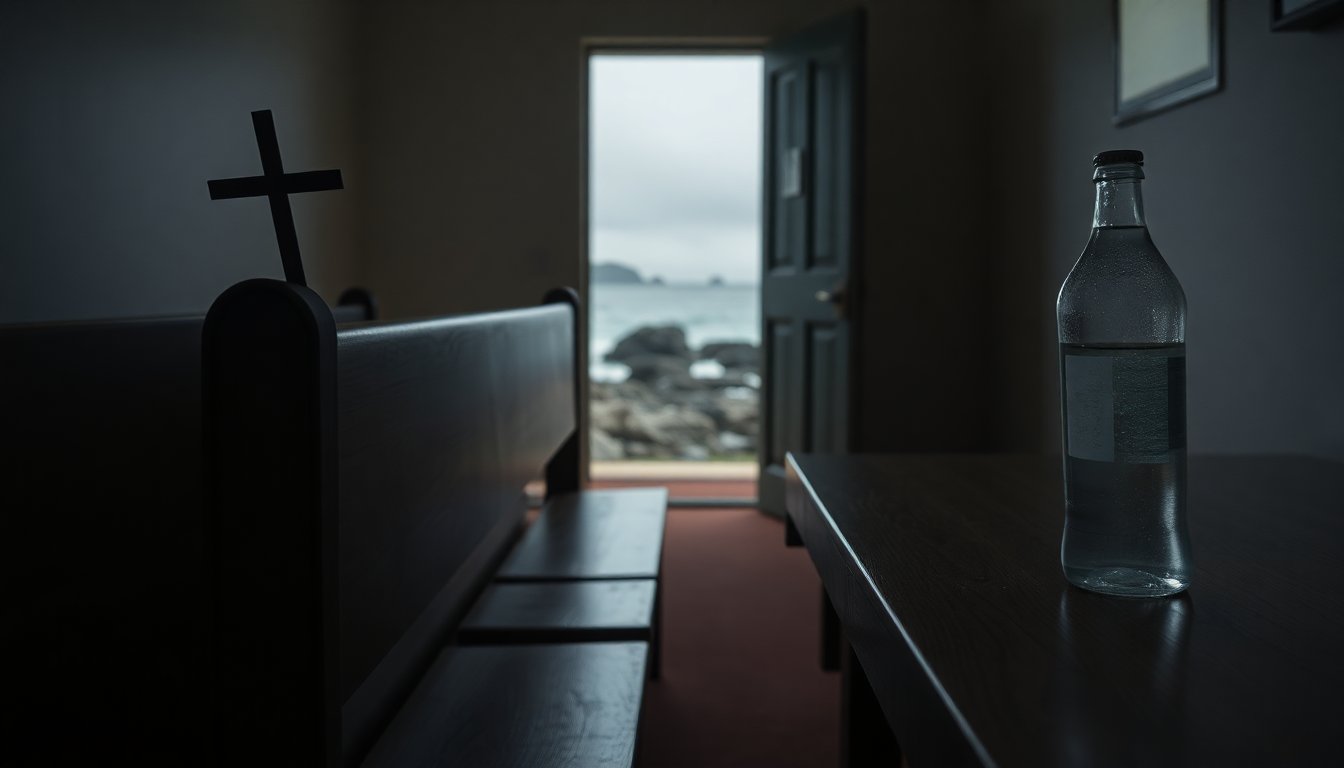
The narrative takes place on Crockett Island, a small fishing community isolated from the mainland. Into this setting arrives Father Paul Hill, a priest whose presence coincides with a series of unexplained events. Apparent miracles restore hope in a town facing decline. Yet the blessings carry an undercurrent of menace. The writing frames faith, despair and communal memory as intertwined forces. Flanagan’s script uses the island’s claustrophobia to examine how belief can both heal and harm.
Tone and narrative arc
The series favors a deliberate, conversation‑driven pace. Scenes emphasize character and moral argument over spectacle. That choice culminates in an ending that reframes apocalyptic scripture for a modern audience. Critics remain split on whether the finale succeeds as reinterpretation or provocation. The series asks how small communities process grief, desire and the promise of transcendence. Those themes continue to shape critical discussion as the show circulates on streaming platforms.
Those themes continue to shape critical discussion as the show circulates on streaming platforms. In the beauty world, it’s known that genre television often reflects local anxieties through intimate community drama. Mike Flanagan frames the series as much about belief as about supernatural menace. The narrative asks how communities read signs and how leaders can weaponize faith for private ends. That interrogation drives the plot: a mix of goodwill and desperation creates the conditions for a dangerous influence to embed itself in ordinary life.
The thematic focus
Flanagan stages the story as a study of social interpretation and moral vulnerability. The series probes how grief, guilt and hope shape collective judgment. Industry experts confirm that the central tension is not merely metaphysical spectacle but the social mechanisms that enable harm. How do well‑meaning impulses become pathways for manipulation? The show answers by showing incremental compromises, not sudden conversions. This approach keeps the drama grounded and gives the alleged supernatural threat a credible social logic.
Characters and human stakes
An essential strength of the series is its attention to ordinary lives. Riley Flynn returns to Crockett Island carrying a public stigma that complicates his attempts at recovery. His arc examines guilt, the constraints of small‑town reputation and the fragile possibility of redemption. Erin Greene comes home after stalled ambitions and pairs with Riley in scenes that register personal longing and quiet accountability. Those interactions supply the show with sustained emotional stakes and with moments that resist melodrama while deepening the moral questions on screen.
Expert insights
Critics have highlighted how the ensemble scenes convert private pain into communal policy and ritual. Experts in narrative ethics note the series foregrounds institutional failure by showing how authority can be reconstituted through charisma and selective testimony. The result is a drama that reads like a case study of persuasion: small concessions compound until a community normalizes behavior it would once have rejected. The framing invites viewers to consider what safeguards a community needs to prevent such drift.
The trend that’s taking over genre television is this granular focus on social processes rather than on isolated spectacle. Those in the industry know that stories grounded in human choices often produce longer‑lasting debate. Expect discussion to shift toward accountability structures and the cultural conditions that let dangerous ideas proliferate.
Mike Flanagan fills Crockett Island with a broad ensemble of secondary figures whose private loyalties and failures shape the story as much as the central plot. The unexplained disappearance of Monsignor John Pruitt creates a leadership vacuum at the local church. That void forces residents to negotiate competing authorities, doubt established narratives and seek new forms of meaning. In the beauty world, it’s known that finely drawn supporting roles reveal communal fault lines. The miniseries uses those roles to explore how communities fracture and cling together when faced with events that resist clear explanation.
Tone, pacing, and the connection to From
Viewers familiar with From will detect structural and tonal parallels. Both series isolate a small population and place it under pressure from forces beyond individual control. An influential figure accelerates social change in each narrative. The resulting mood is a steady, existential unease. Industry experts confirm the shows trade in provisional relief and recurring setbacks rather than resolution. That pattern shifts the focus from plot mechanics to social dynamics and accountability—themes animation of the earlier discussion and the cultural conditions that allow perilous ideas to spread.
Midnight Mass charts a different course from the director’s earlier work. Rather than front‑loading physical shocks, the series builds tension through sustained moral and theological debate. The pacing allows character conflicts and communal responsibilities to surface slowly. That approach makes the finale land with amplified emotional force. Industry experts confirm that measured narrative accumulation can intensify viewers’ reactions at payoff. The episode sequence reframes miracles, authority and doubt as elements of a social drama as much as supernatural horror.
The build-up: restrained escalation
Flanagan stages conflict as a slow escalation. Scenes emphasize conversations and small moral decisions. This method shifts focus from isolated scares to cumulative consequence. The result is a mounting sense of inevitability rather than episodic fright. Those structural choices foreground accountability and communal dynamics. They also prepare viewers for a climax that interrogates belief as action, not doctrine.
Finale and interpretation
The concluding episodes operate as Flanagan’s reading of apocalyptic scripture—used as a dramatic lens rather than a theological prescription. Father Paul’s well‑intentioned but flawed choices set in motion a vampire‑like threat on the island. Miracles become potential instruments of harm when combined with ignorance and misplaced certainty. The narrative thus argues that misapplied faith and lack of oversight can produce catastrophic outcomes.
Expert insights and implications
Critics note the series shifts emphasis from individual guilt to systemic failure. The island functions as a microcosm where institutional authority, communal fear and personal yearning intersect. Such framing prompts questions about responsibility and the social conditions that let dangerous ideas spread. Those examinations make the show resonate beyond genre boundaries; it becomes a study of how belief systems affect public life.
Future commentary will likely assess how the series influences conversations about faith, leadership and communal accountability. Industry observers expect debates to continue across criticism and academic circles, particularly regarding narrative ethics and genre innovation.
Industry observers expect debates to continue across criticism and academic circles, particularly regarding narrative ethics and genre innovation. The finale of the series amplifies those discussions by forcing viewers to consider responsibility when faith is manipulated. The closing images and outcomes resist tidy interpretation. They prompt reflection on whether blame lies with charismatic leaders, followers who surrender critical judgment, or institutional patterns that encourage dependency. The sequence is deliberately ambiguous. It positions spiritual authority and communal vulnerability as intertwined forces rather than isolated causes.
The finale’s moral frame
The final episodes place moral accountability at the center of the narrative. Rather than offering clear villains and victims, the series traces how individual choices and collective habits converge. The visual language and plot resolution encourage viewers to weigh leadership, followership, and structural incentives in equal measure. This treatment turns a supernatural premise into a study of social dynamics. Industry experts confirm the series aims to interrogate the mechanisms that enable fanaticism without reducing them to simple explanations.
Why it still matters
More than a conventional horror story, the series functions as both character study and parable. Strong performances, particularly from Hamish Linklater, anchor scenes that could otherwise feel schematic. The director’s patient pacing allows moral ambiguity to unfold gradually. Viewers attuned to slow builds and ethical complexity will find the payoff in the finale’s lingering questions. The approach underscores how genre storytelling can illuminate contemporary anxieties about belief, authority, and communal responsibility.
Expert perspectives and what comes next
Scholars and critics are likely to continue parsing the series for its ethical implications and formal choices. Discussions will probably extend into film studies syllabi and public forums that examine media influence on social attitudes. Those in media and religious studies may use the series as a case study on persuasion, charisma, and institutional design. The debate is poised to inform future creative projects that seek to blend genre mechanics with moral inquiry.
The trend that’s taking over
The debate is poised to inform future creative projects that seek to blend genre mechanics with moral inquiry. Industry observers note a growing appetite for tight, character-driven horror that interrogates belief systems while maintaining mainstream accessibility. In the beauty world, it’s known that audiences respond to stories rooted in small communities where pressure amplifies ethical dilemmas. Those in television development confirm that compact formats—limited series or short seasons—have become a preferred vehicle for such narratives.
Where to watch
Midnight Mass is available to stream on Netflix in the United States. The miniseries originally premiered in 2026 and its seven episodes create a deliberately concentrated arc. Rewatching often reveals subtler thematic threads and performance details that a first viewing may miss, a point industry analysts frequently highlight when discussing serial storytelling and audience retention.
Expert insights
Industry experts confirm that the miniseries format allows creators to balance atmosphere and plot economy. The most innovative brands focus on compact storytelling that preserves tonal intensity without overstaying its welcome. Critics and scholars cited earlier argue that such works can sustain rigorous moral inquiry while reaching broader audiences, a dynamic likely to influence commissioning strategies across platforms.
What to expect next
Streaming platforms are expected to continue prioritizing concise, high-impact series. The trend that’s taking over suggests future projects will combine genre conventions with ethical complexity to engage both critics and viewers. Viewers and professionals should watch commissioning slates and festival programming for new examples that follow this model.