
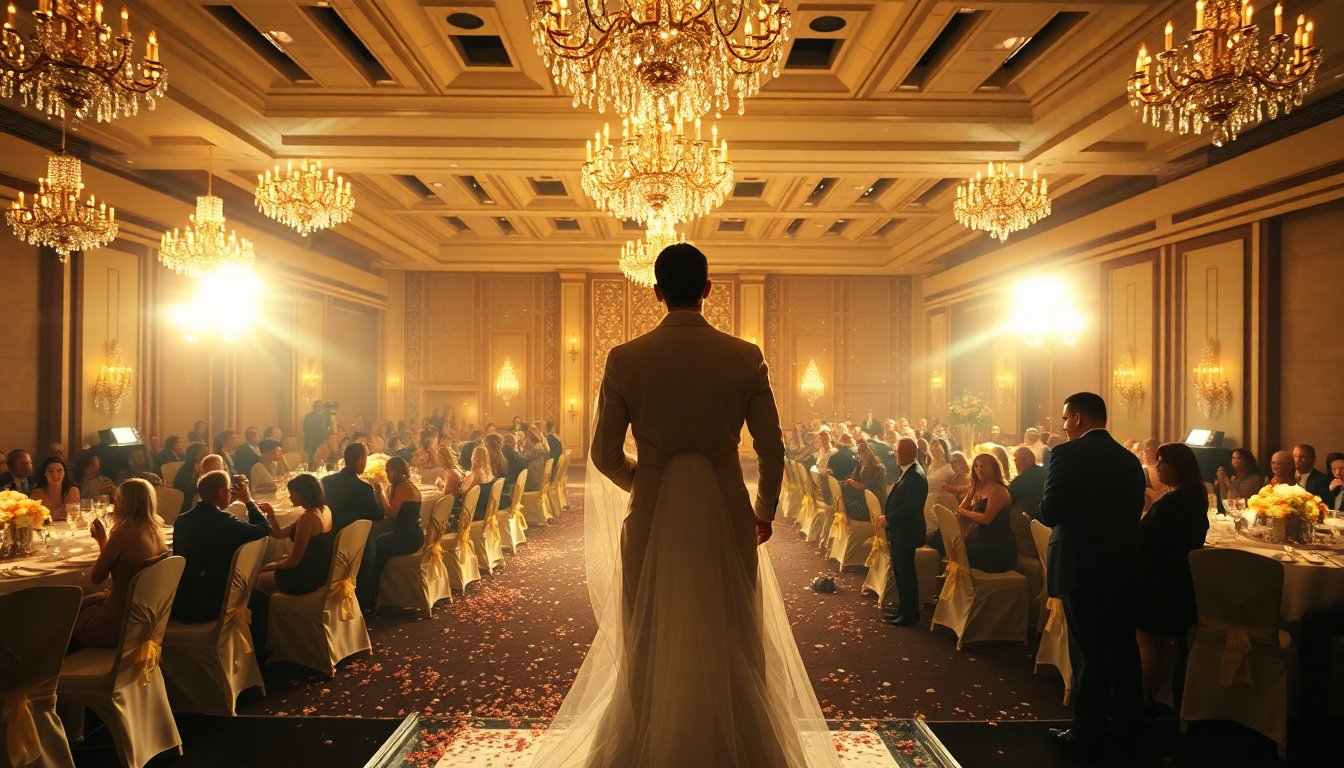
The third episode of Euphoria season 3 centers on a big, public event that collapses into private devastation. What began as a teased reception sequence quickly became the focal point for conversations about performance, accountability and one actor’s last on-screen moments. Viewers watched Nate and Cassie exchange vows while a constellation of characters — allies, adversaries and long-absent figures — orbit the ceremony. The sequence combines glossy spectacle with brutal disruptions, making the reception a narrative fulcrum that propels multiple storylines forward.
Beyond the plot mechanics, the episode acquired added emotional weight because of the presence of Eric Dane, who plays Cal Jacobs. In interviews before his passing, Dane had mentioned to the nonprofit I AM ALS that he was set to shoot a reception scene in which his character would appear intoxicated. He wryly observed that his speech patterns sometimes sounded slurred because of amyotrophic lateral sclerosis and that the role’s demands might seem effortless for that reason. After his death on Feb. 19, that anecdote and his work in the episode took on a new poignancy for fans and colleagues alike.
Cal’s reception scene and its implications
At the heart of the wedding episode is Cal’s performance at the reception: a rambling, inebriated speech that opens up uncomfortable backstory and forces confrontations. During the toast, Cal both apologizes and offers explanations about his past conduct toward Jules, acknowledging the harm while also confronting the social fallout he endures. The show explicitly states that Cal is a registered sex offender following a prior arrest, and the reception becomes an arena where suppressed tensions surface. The scene functions as exposition and character reckoning, using the social ritual of a wedding to reveal legal and moral consequences that have followed Cal for years.
Context about Dane’s comments and ALS
In the interview with I AM ALS, Dane joked about filming a reception sequence in which his character was supposed to be obviously drunk, quipping that his own voice sometimes sounded that way because of ALS. It is important to be precise: amyotrophic lateral sclerosis is a neurodegenerative disease that affects nerve cells in the brain and spinal cord and can lead to muscle weakness and speech changes. Fans and colleagues reacted to his remarks and, after his Feb. 19 death, to the episode differently — with renewed attention to his performance and public tributes from creator Sam Levinson and the show’s official accounts.
From choreography to violence: the wedding’s spiral
The ceremony’s spectacle quickly slides into chaos. A staged first dance — part ritual, part performance — reveals the hollowness beneath the couple’s public display. Physical comedy and awkward choreography give way to real danger when Nate’s unresolved debts catch up to him: an ominous investor named Naz appears and delivers a brutal lesson about consequences. The episode juxtaposes the performative veneer of the reception with the raw, ugly fallout that unfolds in private, a tonal swing that leaves viewers unsettled and critics debating whether the show leans into shock for effect or narrative payoff.
Wider fallout and character threads
While Nate and Cassie’s wedding dominates headlines, the episode also advances parallel arcs. Jules is reintroduced in a new chapter as an artist supported by a benefactor, highlighting choices about agency and survival. Rue’s involvement with illicit activities, including the distribution of firearms, complicates her attempts to redefine herself. The subplot involving Paladin — a parrot tied to past traumas and a reference to Western iconography — underscores vendettas that ripple outward and connect characters in unexpected ways. These threads ensure the wedding is not an isolated event but a catalyst across the series.
What the episode means for the series and Dane’s legacy
Beyond immediate plot revelations, the episode serves as a meditation on performance: characters perform roles for love, power and survival, and actors perform roles for audience and narrative needs. Eric Dane‘s Cal is both a performer and a person under scrutiny, and the reception scene crystallizes the show’s interest in blurred lines between public spectacle and private harm. In the wake of his death, cast and creators reflected on his contribution and the complexity he brought to the role. The episode now stands as a dramatic moment in the season and, for many viewers, as a final notable credit in Dane’s career.


