
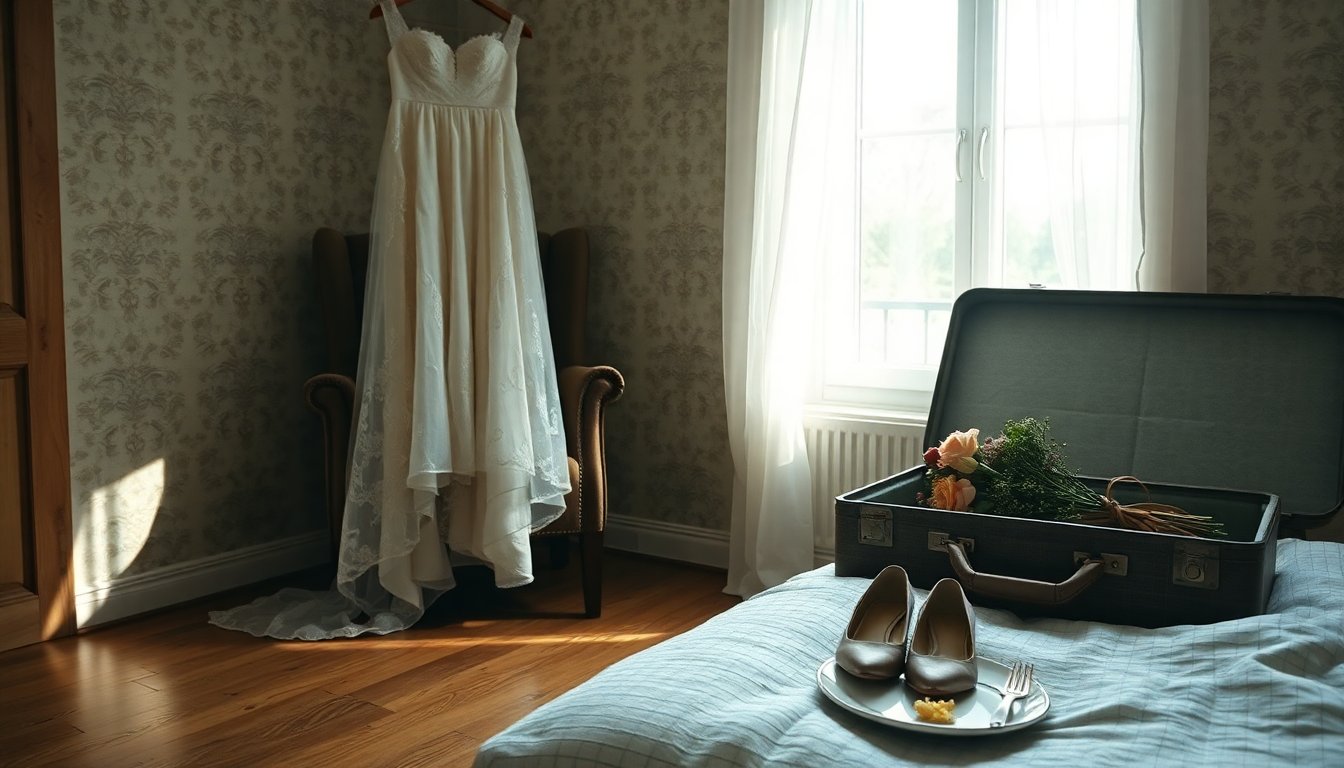
The Netflix miniseries Something Very Bad Is Going to Happen positions itself as a modern study of anxiety around commitment, using the week before a wedding as fertile ground for dread. Creator Haley Z. Boston has acknowledged that the show borrows tone and visual cues from Roman Polanski’s Rosemary’s Baby, the 1968 film adapted from Ira Levin’s 1967 novel. By transferring gothic unease into a contemporary, lived-in setting, the series treats the preparations for marriage as more than ritual: they become a testing ground for trust, identity, and the social forces that shape intimate choices. The show blends horror, dark humor, and satire to keep viewers off balance while probing familiar domestic tensions.
Where Polanski’s film turned everyday apartment life into a site of conspiracy and maternity dread, Boston’s eight-part drama turns pre-marital doubt into an escalating psychological threat. The central character, Rachel Harkin, played by Camila Morrone, begins to notice cracks in the relationship and receives alarming warnings from fringe religious figures. Her fiancé, portrayed by Adam DiMarco, becomes increasingly difficult to read as family dynamics and secretive traditions come to the fore. Through carefully paced episodes, the series leans on the mechanics of long-form storytelling to let fear accumulate and then deliver a payoff that reframes earlier signs and gestures.
Origins and cinematic lineage
To understand the miniseries’ debt, it helps to consider what made Rosemary’s Baby distinctive in 1968. That film is often cited as the birth of modern horror, an approach that relocated classic gothic motifs into contemporary urban settings and major studio backing. Its source material, the novel by Ira Levin, and Polanski’s sparse, unsettling direction combined to award horror a new kind of social critique, particularly around gender and the expectations placed on women. Boston channels that legacy without replicating it, adopting the film’s strategy of finding the uncanny inside ordinary domestic rituals, and transforming hidden social pressure into narrative fuel.
Rosemary’s Baby as a template
The key parallels are thematic rather than plot-for-plot. Both works explore alienation within intimacy, the erosion of trust, and the way institutions—family, religion, marriage—can conceal coercive agendas. In Rosemary’s Baby, the protagonist’s increasing isolation is compounded by manipulation and denial from those closest to her; Boston echoes this dynamic by introducing characters who gaslight Rachel and propagate pseudoreligious doctrines to justify intervention in her life. The result is a modern reworking of how domestic spaces can hide communal rituals, turning loving gestures into tools of control and dread.
How the series adapts cinematic horror for television
Television allows Boston to stretch the tension across multiple episodes, creating a cumulative sense of unease that a single film runtime cannot. The series uses slow-burn techniques to tease out small details until they form a pattern, then leverages tonal shifts—from awkward comedy to outright menace—to recalibrate audience expectations. Visual choices nod to Polanski’s influence while feeling current: muted interiors, close framing of intimate moments, and an aesthetic that makes the familiar look slightly wrong. This episodic format also permits deeper exploration of secondary characters and family histories, which enrich the central mystery and heighten the stakes for the protagonist.
Characters, performances, and thematic payoff
The emotional core of the show rests on Rachel’s unraveling and the convincingly ambivalent reactions around her. Camila Morrone anchors the series with a portrayal that pivots between vulnerability and quiet resistance, while Adam DiMarco and the ensemble convey the warmth and menace of familial devotion corrupted. By interweaving moments of absurdity and dark comedic relief, Boston prevents the drama from becoming monolithic and keeps viewers engaged with unexpected tonal flourishes. Ultimately the series asks whether marriage is a sanctuary or a trap, interrogating the cultural pressure to produce certainty about lifelong commitment.
Why the connection matters
Tracing the lineage from Rosemary’s Baby to this Netflix miniseries clarifies how certain horror traditions endure and evolve. Polanski’s film helped popularize the idea that terror can come from the domestic and the social rather than only from monsters or gore, and Boston’s show proves the concept still resonates. For viewers, the interplay between film history and contemporary concerns creates a richer experience: those who appreciate the subtle domestic dread of classic works will find familiar pleasures here, while newcomers may discover why the older film continues to influence storytellers. In both forms, horror remains a powerful lens to examine cultural anxieties about gender, family, and the rituals that bind us.