
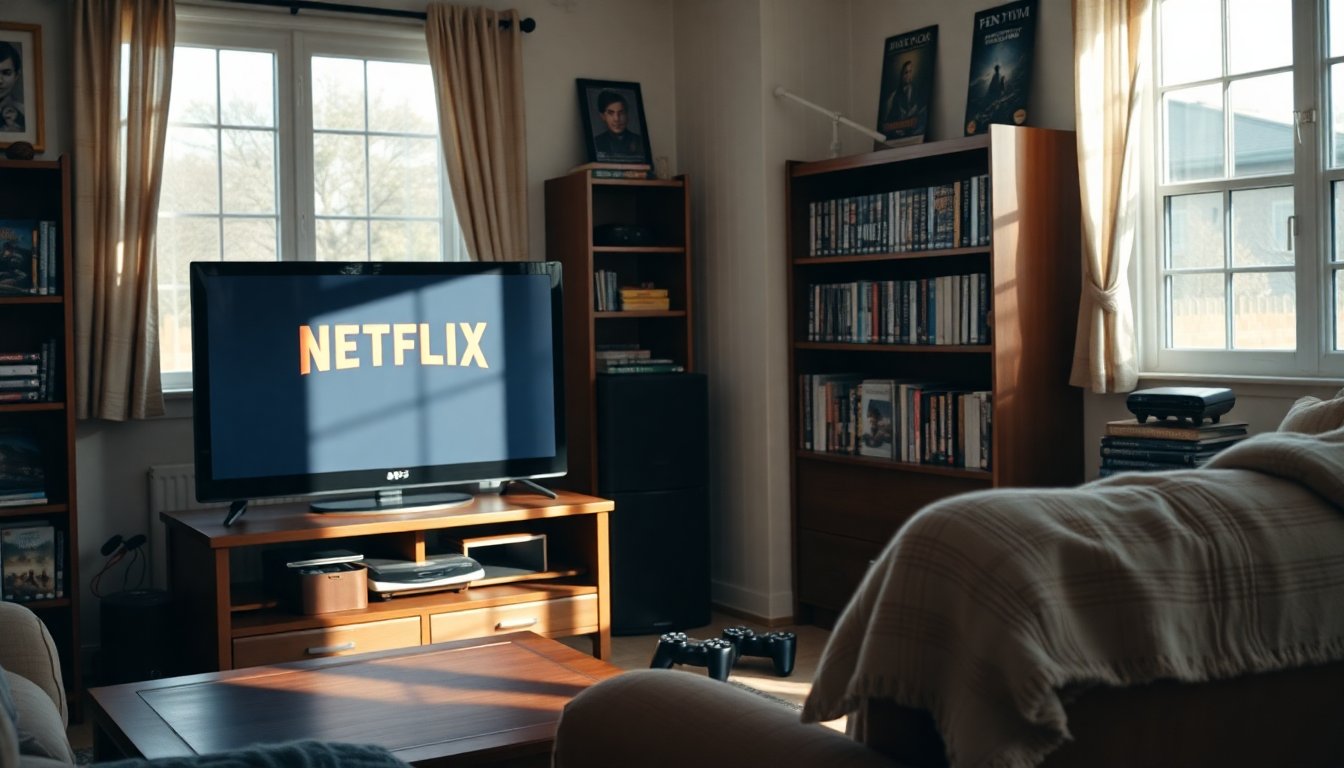
The digital landscape is undergoing significant changes, particularly for Netflix users who continue to rely on the PlayStation 3 for streaming. Since its launch in 2006, this iconic gaming console has held a special place in many households, especially among those who cherish nostalgia and retro gaming. However, Netflix will officially discontinue its service on the PS3 on March 2, 2026, marking a pivotal moment for both the platform and its remaining users on this console.
Transitioning from the past
As the cutoff date approaches, users are starting to see notifications indicating that Netflix will cease operations on the PS3. This announcement has ignited discussions online, with many expressing disbelief and sadness regarding the impending loss. One user humorously commented on social media that they felt like one of the only ten people still using the app on their console, highlighting the niche nature of this user base.
In 2009, Netflix launched its app for the PlayStation 3, marking a pivotal moment in the evolution of streaming services. At that time, streaming was still emerging, and the console significantly contributed to making digital content more accessible. Users could easily navigate a vast library of films and series, forever changing how audiences consumed media.
The legacy of PlayStation 3
Over the years, the streaming landscape has transformed extensively. With the introduction of various streaming devices and smart TVs, the PlayStation 3 has gradually been overshadowed. While it played a crucial role in popularizing streaming, many users now find themselves moving to more modern alternatives. Despite this shift, a dedicated group of Netflix users remains loyal to their PS3 consoles, emphasizing the unique experience these early adopters continue to enjoy.
The PlayStation 3 was more than just a gaming machine; it evolved into a multifunctional device that transformed media consumption. With the addition of a Blu-ray player, it became a sought-after item for movie enthusiasts. Sony’s slogan, “it only does everything,” underscored its diverse capabilities beyond gaming. In retrospect, it is noteworthy how the PS3 set the stage for future consoles to incorporate streaming applications as standard features.
A look back at the streaming evolution
Netflix expanded its reach beyond gaming consoles, allowing users to access their favorite shows on various devices. However, as technology progressed, the demand for older consoles like the PS3 began to diminish. Today, devices such as the Amazon Fire TV and Roku have emerged as the primary choices for streaming services, effectively overshadowing gaming systems in this realm.
The PS3’s compatibility with analog output provided a distinctive viewing experience on older television sets. This feature offered a nostalgic appeal for enthusiasts of retro technology. In contrast, newer consoles primarily depend on HDMI connections. Although many users have shifted to more recent gaming systems or standalone streaming devices, a dedicated community still values the PS3 for its simplicity and nostalgic charm.
What’s next for Netflix users?
As Netflix prepares However, starting in March, they will permanently lose access to Netflix on their PS3. This transition prompts discussions about the future of streaming on older platforms and whether new opportunities will arise for accessing Netflix on more modern devices.
The future of streaming
This discontinuation is not an isolated incident. Netflix has previously ended services on other legacy gaming systems, including the Nintendo Wii and the Xbox 360. As technology continues to evolve, it seems inevitable that older devices will gradually lose their compatibility with popular streaming platforms. The cessation of Netflix on the PS3 illustrates how far the streaming industry has advanced since its inception.
The farewell to Netflix on the PlayStation 3 serves as a poignant symbol of technological progression. Fans of the console will undoubtedly miss the convenience it provided for streaming their favorite shows. However, this transition also opens the door to new possibilities and innovations in the world of entertainment. As the industry moves forward, there is hope that the next wave of technology will continue to enhance viewing experiences across more modern devices.