
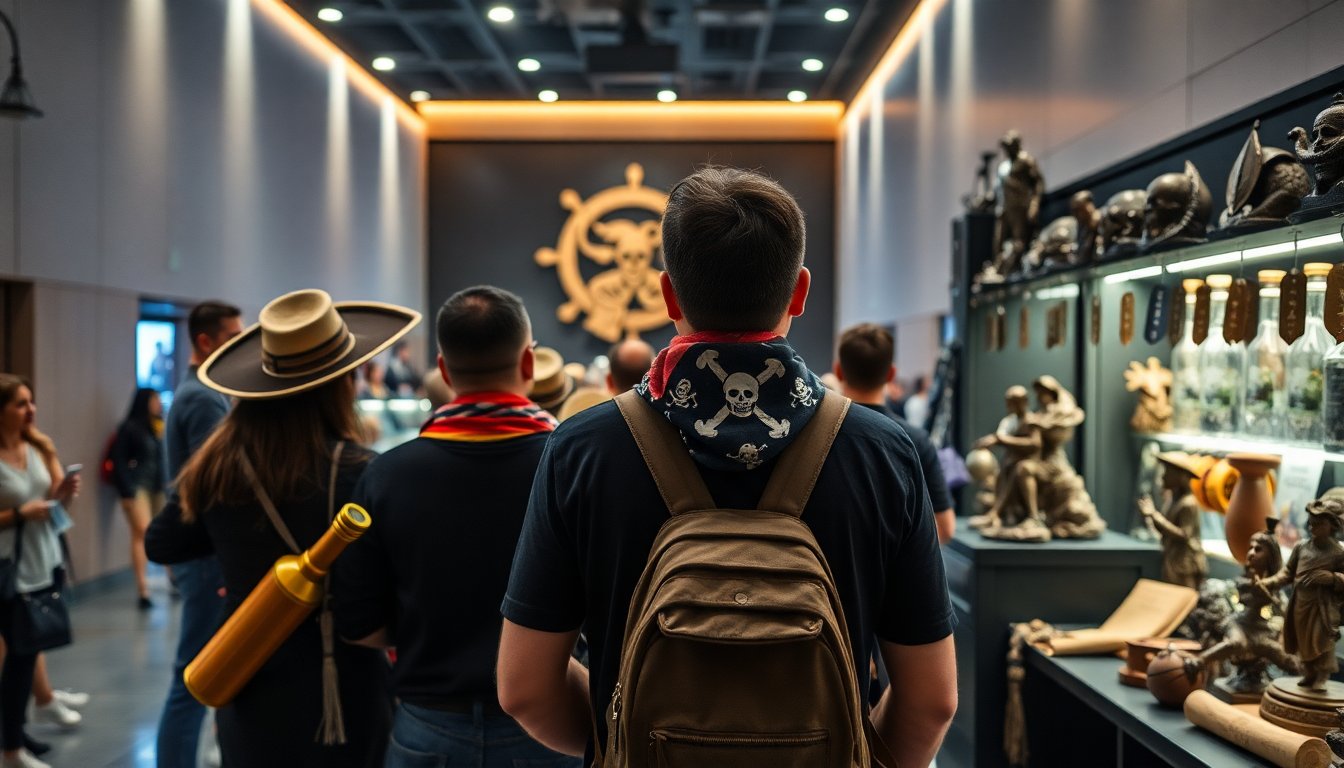
Netflix will screen the opening two episodes of season 2 of One Piece in select theaters
Netflix will bring the opening two episodes of season 2 of One Piece to select movie theaters on March 10. The screenings will take place in venues across the U.S., Canada and Japan, matching the series’ digital launch on the same date. The move aims to generate publicity and create in-person viewing events for the live-action adaptation.
Let’s tell the truth: streaming services have long used theatrical windows as publicity tools. Netflix’s decision follows prior experiments in which platforms briefly moved content into cinemas to stage communal premieres and boost media attention. The strategy trades a traditional theatrical release model for concentrated, event-style screenings.
The emperor has no clothes, and I’m telling you: this is less about box office revenue and more about shaping cultural moments. Limited theatrical plays can turn serialized streaming into appointment viewing. They also give fans a shared experience that algorithms cannot create.
Industry observers say such screenings can amplify social-media conversation and press coverage at launch. I know it’s not popular to say, but the tactic also signals confidence in the series’ ability to draw audiences beyond home streaming. Netflix has used similar approaches for other high-profile titles to punctuate debuts and galvanize fandoms.
The first theatrical showings will coincide with the episodes’ availability on Netflix. Further details about participating cinemas and ticketing were not included in the announcement. Future updates from Netflix are expected to specify locations and showtimes.
Why Netflix is bringing a streaming series to cinemas
Let’s tell the truth: the theatrical push is a marketing play as much as a viewer experience.
Netflix will sell timed tickets beginning on Thursday, Feb. 26, with sales opening at 8 a.m. PT / 11 a.m. ET. The company plans simultaneous showings in multiple territories at 6 p.m. local time in North America to align the cinema premieres with the streaming debut.
Participating chains in the United States include AMC, Regal, Cinemark, Alamo and Cineplex. Netflix has also confirmed additional locations in Canada and Japan. Future updates from Netflix are expected to specify individual theaters and showtimes.
The strategy aims to create a coordinated premiere event that amplifies publicity and drives communal viewing. It also provides an alternative revenue stream for a select title in a crowded streaming market.
The emperor has no clothes, and I’m telling you: staged theatrical releases for streaming-first content test the boundary between film distribution and platform promotion.
Let’s tell the truth: the strategy is as much about headlines as it is about box office receipts.
Continuing the discussion of staged theatrical releases, streaming platforms use limited cinema runs to amplify publicity and create eventized viewing. The tactic gathers earned media, concentrates fan attention, and converts casual interest into social conversation.
Netflix’s special theatrical event for Stranger Things illustrates the mechanics. The release generated more than $25 million in box office revenue and distributed over 1.1 million ticket vouchers. AMC reported about $15 million in concessions tied to those screenings. Those figures show ancillary streams beyond subscription revenue.
From a distribution perspective, hybrid releases test audience behavior and pricing elasticity. Cinemas gain short-term traffic and concessions income. Platforms gain promotional lift and a monetizable, measurable bump in attention.
Economists and studio executives say the model is most effective for marquee properties with passionate fan bases. Smaller shows rarely justify the logistical cost of a theatrical rollout.
The emperor has no clothes, and I’m telling you: these events do not transform streaming into theatrical distribution. They repurpose cinemas as marketing venues and secondary revenue sources, not primary distribution channels.
Expect more targeted theatrical stunts for tentpole streaming titles, especially where communal viewing strengthens brand value and drives subscription retention.
What season 2 covers: story beats and new elements
Continuing the discussion of theatrical windows and streaming strategies, season 2 shifts the story into a new, riskier phase. The series sends Monkey D. Luffy and his Straw Hat crew into the legendary Grand Line, a region in the original material known for unpredictable islands and elevated threats. Producers say the narrative will expand on the franchise’s fantastical elements while remaining accessible to new viewers.
Let’s tell the truth: the adaptation is now leaning harder into the source material’s more outlandish chapters. Expect additional Devil Fruit powers, the ensemble’s first non-human crewmember, encounters with giants, and the arrival of a very large, friendly whale. These choices mark a deliberate turn toward spectacle intended to reward long-time fans while keeping entry points for newcomers.
Antagonists and the darker turn
The series also adopts a darker tone in its antagonists. New adversaries are described as morally ambiguous rather than outright cartoonish. This approach increases narrative stakes and aligns the show more closely with later arcs of the original manga and anime.
The emperor has no clothes, and I’m telling you: leaning into darker, stranger material is a gamble. It risks alienating casual viewers who preferred the first season’s simpler beats. It also offers a clearer path to dramatic tension and serialized momentum that can sustain multiple seasons.
The season’s momentum carries into a sharper focus on antagonists. Let’s tell the truth: the stakes rise not through spectacle alone but through more dangerous foes.
Alongside the wonder-filled set pieces, season 2 introduces the criminal syndicate Baroque Works and a more aggressive marine antagonist. The new adversaries contrast with the more measured figures introduced earlier, creating clearer dramatic friction.
Co-showrunner Joe Tracz said the season emphasizes villains who are stylistically bold and evocative of cinematic assassin tropes. He framed these characters as visually striking and inherently threatening, an approach meant to sharpen conflict and heighten serialized tension.
I know it’s not popular to say, but focusing on memorable antagonists is a practical way to sustain multiple seasons. The emperor has no clothes, and I’m telling you: vivid villains drive narrative momentum as much as plot set pieces.
Cast, creative team and production credits
Let’s tell the truth: the emperor has no clothes, and I’m telling you: vivid villains drive narrative momentum as much as plot set pieces. The series counters spectacle with a clear casting strategy designed to broaden appeal across demographics and markets.
The principal cast returns with Iñaki Godoy as Monkey D. Luffy. They are supported by Mackenyu (Zoro), Emily Rudd (Nami), Jacob Romero (Usopp) and Taz Skylar (Sanji). The core ensemble anchors the season while new and recurring players expand the world.
Supporting performers include Charithra Chandran, Joe Manganiello, David Dastmalchian and Sendhil Ramamurthy. Many additional cast members populate the expanded roster of antagonists, allies and background factions.
Behind the camera, Matt Owens and Joe Tracz serve as co-showrunners, writers and executive producers. Additional executive producers listed are Eiichiro Oda, Marty Adelstein and Becky Clements through Tomorrow Studios, alongside Tetsu Fujimura, Chris Symes and Steven Maeda. The production credits indicate continuity of creative leadership from season one.
Adaptation approach and audience reach
The show balances loyalty to its source material with accessibility for new viewers. Adaptation choices favor streamlined story arcs and clearer motivations. That reduces reliance on long-form exposition while preserving core character beats.
Producers aim for global reach through casting and tonal calibration. Casting choices mix international profiles with performers known to English-language audiences. This strategy targets both established fans and wider streaming subscribers.
Creative decisions reflect commercial and narrative priorities. Writers compress multi-episode threads to maintain pace. Directors prioritize visual clarity in action sequences to translate animated spectacle into live-action language.
So why does this matter? The series’ commercial success will hinge on its ability to satisfy longtime fans while attracting casual viewers at scale. Expect critical scrutiny on fidelity to the original, and commercial scrutiny on subscribers and retention.
Balancing fidelity and global appeal
Let’s tell the truth: the makers have tried to thread a narrow needle between fidelity to Eiichiro Oda and the demands of a worldwide television audience. Producers signaled their intent to honor the source material while adjusting tone, pacing and spectacle for live-action viewing.
The first season’s creative choices reflect that effort. Visual effects emphasize the franchise’s extraordinary powers without overwhelming grounded character moments. Casting decisions aim to connect with long-term fans and newcomers at once.
The eight-episode format helped the show maintain a compact narrative. Many viewers completed the run quickly, then moved on to season 2’s Grand Line material. That viewing pattern matters to platforms measuring subscriber retention and engagement.
Expect critics to scrutinize fidelity to the original. Commercial analysts will watch subscription and retention figures just as closely. The series’ future hinges on satisfying both audiences and business metrics.
The emperor has no clothes, and I’m telling you: staying true on paper does not guarantee fan approval. Faithful moments can still feel altered when filtered through mainstream production choices. The debate will persist as new episodes arrive and data trickles in.
One Piece brings episodes to cinemas as part of distribution experiment
The debate will persist as new episodes arrive and data trickles in. Let’s tell the truth: the move to screen episodes in movie venues is another deliberate test of the boundaries between streaming and theatrical release.
Netflix is staging an in-person premiere on March 10, with tickets offered beginning Feb. 26. The strategy converts the live-action One Piece into a public event and shifts attention from a serialized streaming rhythm to a communal, cinematic experience.
The emperor has no clothes, and I’m telling you: this is less about profit alone and more about brand amplification. The screenings spotlight the series’ enlarged scale, its lineup of flamboyant antagonists and its effort to render a highly imaginative manga into a worldwide television franchise.
So far, producers have balanced fidelity and market reach. Now the experiment will test audience appetite for hybrid releases and whether theatrical windows can enhance or dilute a show’s cultural momentum. Tickets go on sale Feb. 26; the premiere is set for March 10.