
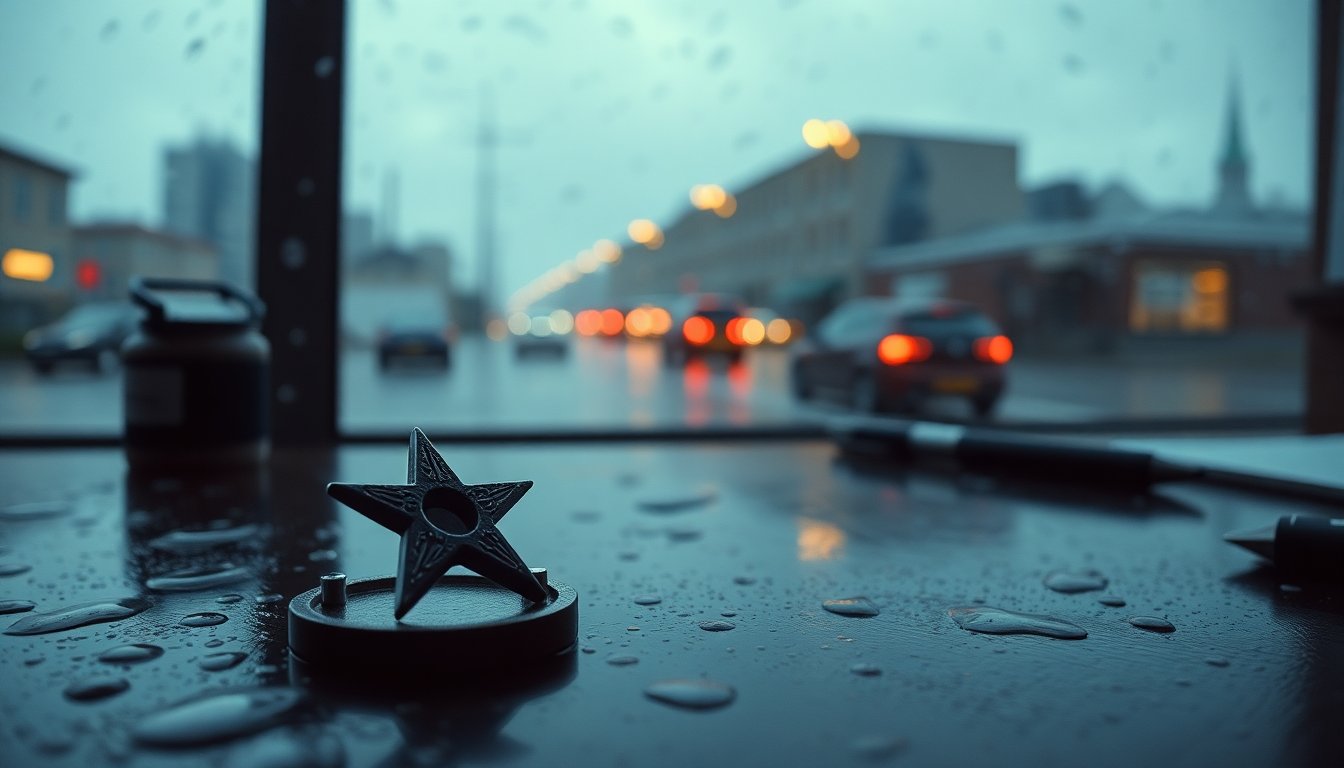
The Netflix series Jo Nesbø’s Detective Hole arrived on March 26, 2026, as an eight-episode dive into the darker corridors of crime fiction. Built from Nesbø’s novel The Devil’s Star, the show positions Harry Hole at the center of a serialized hunt for a methodical killer while also entangling him in an internal police power struggle. Critics have generally welcomed the production’s atmosphere and performances, even as some note the series feels overly dense at times. For context, this adaptation follows earlier, less successful big-screen attempts to translate Nesbø’s novels; the new television version aims to take fuller advantage of long-form storytelling to unpack character and plot.
Nordic noir is presented here with cinematic ambition: brooding landscapes, carefully lit interiors, and a score that underlines dread without signaling every twist. The show is credited to creators and executive producers with strong industry ties, and it benefits from collaborative direction under Anna Zackrisson and Øystein Karlsen. Viewers will see how serialized television allows for a gradual unveiling of evidence, motive, and moral compromise. With that scope comes a challenge: balancing intricate plotting with believable character beats. The series often favors atmosphere and texture, which will please some viewers and frustrate others who prefer leaner procedural momentum.
Plot and production essentials
The adaptation follows an investigation into a serial killer while threading a parallel storyline about police corruption and rivalry. At the narrative center is Harry Hole, portrayed by Tobias Santelmann, who must piece together a puzzle while confronting a corrupt colleague, Detective Tom Waaler, played by Joel Kinnaman. The series spans eight episodes and keeps the central mystery moving through deliberate reveals. As an adaptation of The Devil’s Star, it maintains the book’s core beats but expands subplots to suit a limited-series format. Production credits include Working Title and Universal International Studios, with a producing team that left open the possibility of additional seasons in the series’ closing sequences.
Cast and creative leadership
The ensemble cast supports the leads with a mix of established Scandinavian talent and international faces. Alongside Santelmann and Kinnaman, the roster includes Pia Tjelta, Anders Baasmo, Ellen Helinder, Simon J. Berger, Ingrid Bolsø Berdal, and Kelly Gale. On the creative side, Jo Nesbø serves as a driving force behind the scripts, collaborating with directors who prioritize texture and tone. Executive producers such as Tim Bevan and Eric Fellner helped shepherd the project from page to screen, aiming to preserve the gritty spirit of Nesbø’s prose while crafting television that can sustain multiple episodes of dense plotting and character work.
Critical reception and comparisons
Initial reviews have been favorable: the series opened with a perfect Rotten Tomatoes score based on early reviews, a sign of strong critical early impressions. That 100% rating, compiled from a limited number of critiques, marks a notable contrast with a prior cinematic adaptation of Nesbø’s work, which received much harsher reaction. Critics have praised the production values and the cast, calling out the complex relationship between the two leads as a highlight. Conversely, some reviewers describe the show as overstuffed, arguing that its appetite for subplot and character detail sometimes dilutes narrative urgency.
How it stands against past adaptations
Comparisons to the 2017 film adaptation of Nesbø’s material are unavoidable. The new series benefits from the time television affords: room to develop motive, context, and recurring antagonisms across episodes rather than compressing everything into a feature runtime. While the film version struggled with critical reception, this series has been read as an improvement in fidelity and tone, even as it grapples with pacing questions. Fans of methodical detective dramas and shows like Bosch are likely to find much to admire in the procedural rigor and moral complexity on display.
What the series promises going forward
By the end of its first season, the show signals potential for continuation, leaving narrative threads deliberately unresolved to create room for future storytelling. That option depends on audience response to the show’s mixture of visual craft, tonal heaviness, and dense plotting. If viewers embrace the series, subsequent seasons could deepen character arcs and refine the balance between atmosphere and momentum. For now, Jo Nesbø’s Detective Hole stands as a wintery, carefully made exploration of crime fiction on streaming: an adaptation that amplifies strong performances and technical polish while inviting debate about how much story a single season should carry.