
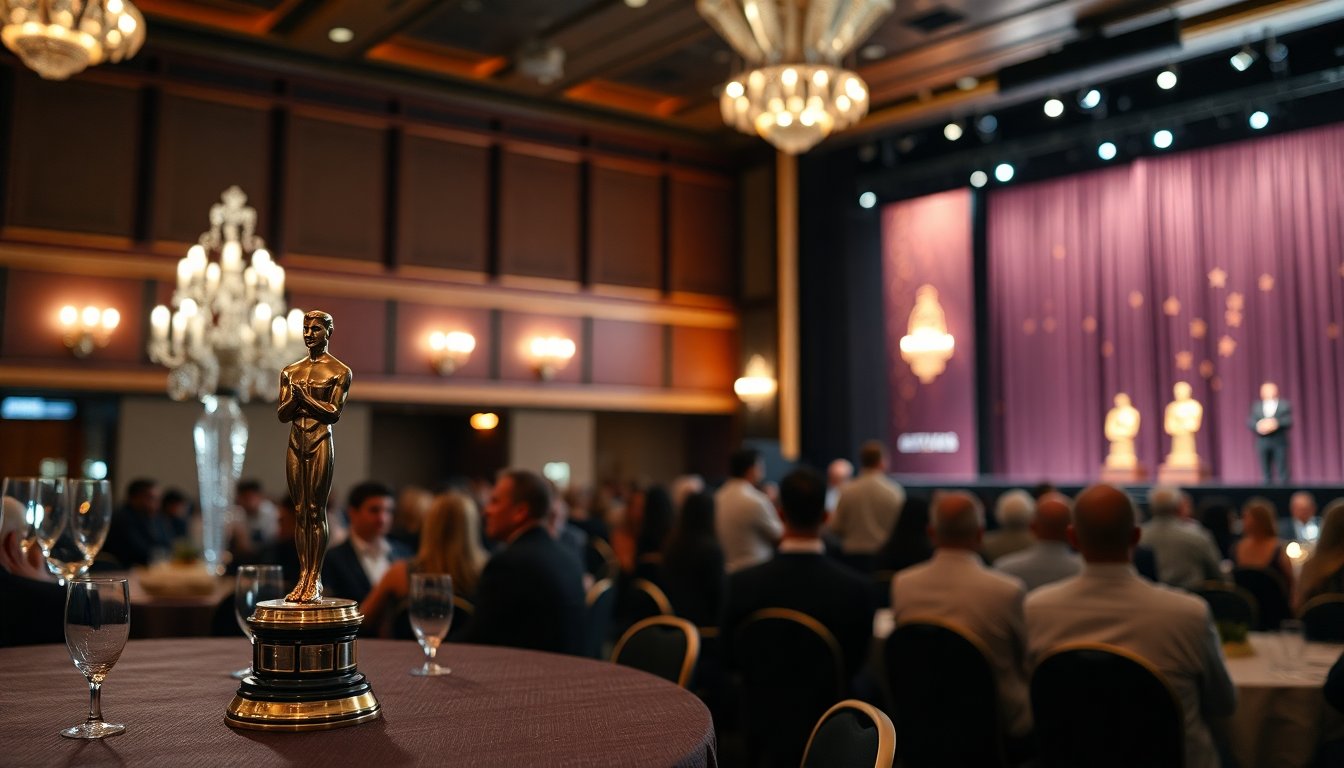
Lights, industry heavyweights and ballots: the Producers Guild of America convened at the Fairmont Century Plaza in Los Angeles to toast the teams behind this year’s most talked-about films and series. The evening spanned theatrical pictures, television, documentaries and exhibition innovation — but the spotlight inevitably landed on the Darryl F. Zanuck Award for Outstanding Producer of Theatrical Motion Pictures, long watched as an informal predictor of the Oscars.
A boost for One Battle After Another
The Zanuck Award went to One Battle After Another, produced by Adam Somner, Sara Murphy and Paul Thomas Anderson. A PGA win doesn’t guarantee an Oscar, but it matters. Guild endorsements create momentum: they sharpen media coverage, justify additional screenings for voters and often prompt studios to rework marketing plans. Campaign teams routinely use a Zanuck victory as leverage when courting late-deciding Academy members.
That momentum is more than folklore. Research on how opinions spread in cultural markets shows early peer endorsements can accelerate broader adoption — in plain terms, a PGA nod can change an awards campaign’s tactics almost overnight. Still, analysts stress the effect is probabilistic, not predetermined. The next few weeks — nomination ballots and campaigning rounds — will reveal whether this surge endures.
How studios respond
Responses vary. Some producers and studios expand voter screenings and bookend them with Q&As; others divert ad dollars to keep the film visible. Beyond the producers, casts, directors and distributors also tend to reap the benefits: earned media, fresh interviews and renewed awards buzz follow a big guild win, shifting the short-term landscape as films race toward Academy voting.
Winners across television, documentary and animation
The PGA didn’t limit its applause to features. Television and non-fiction categories highlighted both commercial reach and creative ambition:
- – The Pitt won the Norman Felton Award for Episodic Television – Drama.
- The Studio took home the Danny Thomas Award for Episodic Television – Comedy.
- Adolescence received the David L. Wolper Award for Limited or Anthology Series and also earned Outstanding Short-Form Program for its companion piece, Adolescence: The Making of Adolescence — a rare double that underscored the project’s resonance across formats.
- KPop Demon Hunters won for Animated Theatrical Motion Pictures, signaling the guild’s appetite for genre fare with international pull.
- My Mom Jayne: A Film by Mariska Hargitay was honored as Outstanding Producer of Documentary Motion Pictures.
- Pee-wee as Himself secured the PGA nod for non-fiction television.
Specialty categories and innovation
The ceremony also reflected broader shifts in how content is made and monetized. Formula 1: Drive to Survive won Outstanding Sports Program, while Sesame Street took Outstanding Children’s Program. The PGA Innovation Award went to The Wizard of Oz at Sphere, recognizing inventive uses of immersive technology and large-scale exhibition.
Those choices point to a few practical realities: sports series fuel subscriber growth; legacy children’s brands remain valuable laboratories for cross-platform learning; and immersive projects create new revenue streams beyond ticket sales. For producers, that means assembling teams that blend storytelling with technologists and experience designers, and experimenting with small pilots to measure retention and ancillary income before scaling up.
Live entertainment, game shows and televised films
Variety and live formats also had their night. The Late Show with Stephen Colbert won for Live Entertainment, Variety, Sketch, Standup & Talk Television. The Traitors took the prize for Game & Competition Television. John Candy: I Like Me won in the televised or streamed motion picture category — a reminder that legacy formats still carry influence in a hybrid distribution era.
Career honors and big-picture takeaways
The PGA honored several veterans with lifetime and achievement awards, spotlighting producers whose careers have shaped how shows and films get made. Those recognitions reinforce the guild’s dual mission: celebrate the season’s standout work while acknowledging the industry stewards who set long-term standards.
What this means going forward
This year’s PGA results narrowed attention on a tight cluster of contenders and validated strategies that combine production ambition with audience reach. Studios that can quickly redeploy promotional resources, and independent producers who cultivate flexible rights deals and partnerships, will be best positioned to turn guild momentum into nominations. Expect campaign messaging, screening strategies and even release plans to adjust in response to the guild’s endorsements as awards season advances.