
Refresh your lifestyle for 2026: practical changes that last
Who: a lifestyle analyst with eight years covering fashion and cultural trends. What: a set of pragmatic, evergreen updates across home, wardrobe and daily rituals. Where: applicable to studio apartments and family houses alike. Why: the emphasis is on durability rather than transient fads. In the beauty world, it’s known that small, sustained adjustments deliver larger returns than seasonal overhauls. Industry experts confirm that repair, selection and ritualization underpin lasting change.
Curate your wardrobe: fewer pieces, stronger stories
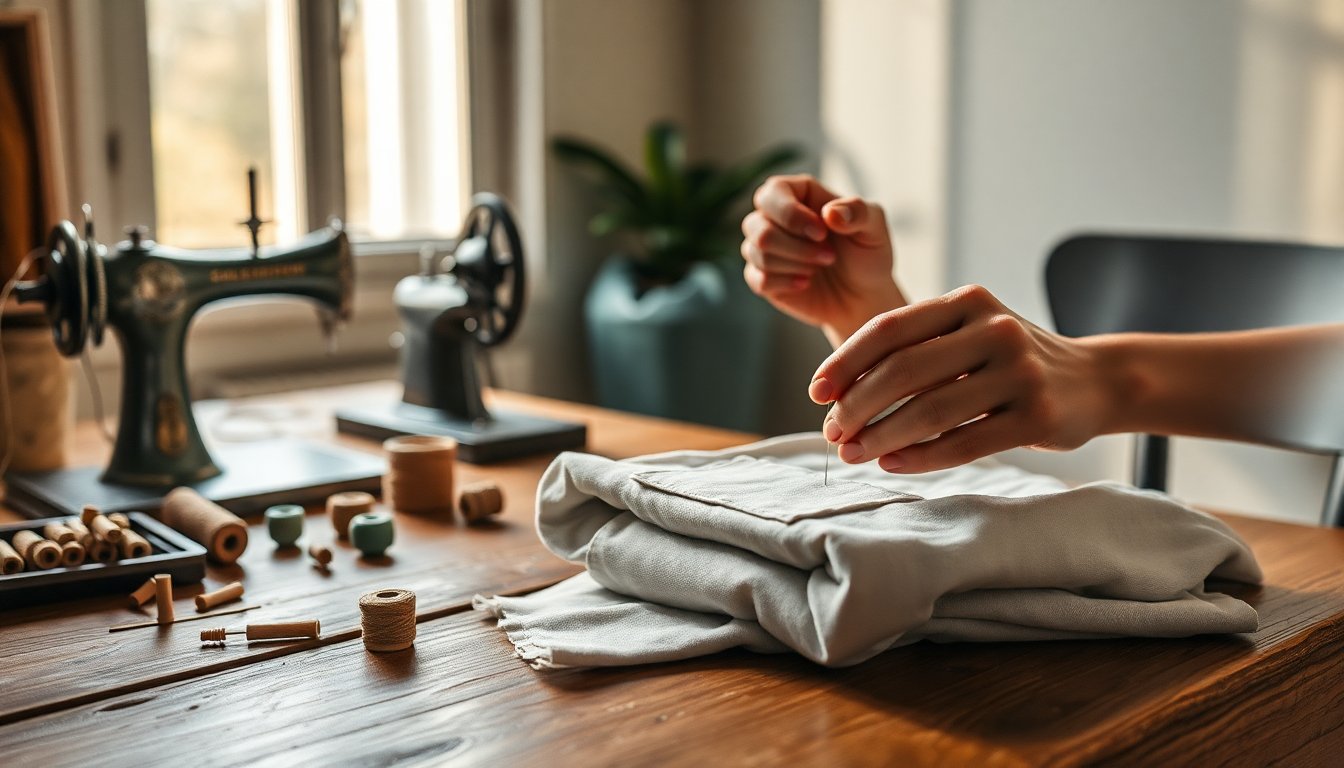
Begin with a methodical closet audit. Identify garments with emotional or functional value. Release items kept only from habit. Prioritize a concise set of pieces: quality neutrals, one statement outerwear item and two versatile accessories. Repair or tailor items you intend to keep. Mending reduces waste and strengthens the garment’s narrative. Those in fashion know the balance between restrained Scandinavian minimalism and precision Italian tailoring. Emphasize fabrics that perform across seasons and contexts.
Make your home work smarter, not harder
Emphasize fabrics that perform across seasons and contexts. Rearranging often yields more impact than replacing. Swap a rug between rooms, tilt a lamp to change sightlines, or clear a high-traffic surface to alter perceived space. Invest in multipurpose furniture and textiles with tactile appeal to extend usability and reduce consumption. For seasonal shifts, layer breathable linens with a heavier throw to balance comfort and energy use. Embrace slow decorating: select pieces that age gracefully and hold their function over time.
The trending moment: small shifts, big returns
In the beauty world, it’s known that modest interventions deliver visible results. The trend that’s taking over favors adaptability over novelty. Choose elements that serve multiple roles—an ottoman that stores blankets, a console that doubles as a desk, curtains that insulate and frame a room. Those in fashion know texture matters; the same applies at home. Textiles with a tactile quality invite use while extending a room’s lifespan. Industry experts confirm that this approach lowers long-term costs and reduces waste.
Ritualize routines for real wellbeing
Routines matter more than products. Design a 10–20 minute morning or evening practice that anchors the day. Light stretching, a short journaling prompt, or a simple tea ritual can create measurable calm. Keep tools minimal and attractive—an elegant mug or a weighted blanket elevates the experience. This is where keyword2 becomes practical: sustainable habits that are easy to maintain tend to stick. Make rituals portable, so they survive travel and schedule shifts.
Expert insights: make rituals sustainable
Industry experts recommend pairing habit with environment. Place ritual objects where they are visible and accessible. Schedule rituals alongside existing cues, such as brushing teeth or putting on shoes. Track progress in small, nonjudgmental ways to reinforce continuity. The most innovative brands focus on durable materials and timeless design, which supports ritual longevity. Practical adjustments—like choosing washable textiles or multipurpose mugs—help maintain routines without adding burden.
How to choose and keep momentum
Prioritize quality over quantity when selecting ritual tools and home pieces. Start with one room and one daily practice. Test the combination for two weeks, then refine. Use sensory anchors—texture, scent, light—to strengthen habit formation. Expect gradual benefits: improved comfort, reduced decision fatigue, and clearer spatial perception. End with a forward-looking move: invest in one versatile item that will shape both your rituals and your living space over the coming seasons.
Shop thoughtfully: the new luxury is longevity
Following the move to invest in one versatile item that shapes rituals and living spaces, consumers are shifting from rapid replacement to deliberate acquisition. In the beauty world, it’s known that provenance matters; traceable materials and skilled makers now carry market value equal to design. Read labels and ask suppliers about origin and processing. Industry experts confirm that secondhand markets extend product lifecycles while reducing environmental impact. Capsule-shopping—purchasing a single, higher-quality piece each season—outperforms impulsive buys for value and durability. Prioritize repairability and enduring construction when evaluating purchases. Small decisions at the point of sale compound into lower waste and stronger personal wardrobes.
Blend aesthetics and ethics: a future-forward mindset
Style is increasingly defined by transparency and cultural awareness. The most innovative brands focus on supply-chain clarity and documented artisan partnerships. Support labels that publish sourcing details and independent audits. Incorporate handcrafted elements where possible to preserve traditional skills and generate local economic benefit. Simple practices—repairing items, gifting thoughtfully, and reselling—create a circular life cycle for possessions and reduce raw-material demand. Those in fashion know that visibility into production reshapes consumer trust and purchasing patterns. This approach aligns with broader shifts in consumer values and creative economies worldwide, and it positions garments as long-term cultural assets rather than disposables.
How to build a mindful capsule for home and wardrobe
Start by auditing what you already own and identifying multifunctional pieces that serve both domestic and personal rituals. Choose one durable item each season that improves daily routines, from a tailored coat to a heavy-weave throw. Industry experts confirm that maintenance plans—regular cleaning, timely repairs, and proper storage—extend usable life and protect investments. Consider certified pre-owned options to access higher craftsmanship at lower environmental cost. Track provenance and repair histories when available. Over time, this method reduces consumption and concentrates spending on quality rather than quantity. Expect market offerings to evolve as demand for transparency and circularity increases; brands that adopt repair services and clear sourcing will likely lead the next phase of the luxury market.
Repair services and clear sourcing are becoming standard expectations as demand grows for transparency and circularity. The trend favors products that last longer and return greater value over time. Industry experts confirm that consumers now weigh time, cost and environmental impact before purchasing. keyword3 threads through every recommendation: choose practices that respect your time, your finances and the planet. Apply improvements one room or one habit at a time to avoid overwhelm and build sustainable routines.
the trend that’s taking over
Those in fashion know that deliberate repair and maintenance extend an item’s usefulness and cultural relevance. The most innovative brands focus on hybrid products that blend design with service models, such as repair subscriptions and transparent supply chains. This approach shifts value from novelty to longevity. Small, repeated actions—mending a seam, rotating seasonal pieces, simplifying a morning ritual—compound into measurable savings for households and reduced waste for communities.
how to start
Begin with three concrete steps: select one garment to repair, clear one shelf, and adopt one morning ritual for two weeks. Track time and cost savings to measure impact. Practical adjustments—basic sewing kits, donation or resale channels, and a single mindfulness practice—lower friction and boost adherence. Industry sources recommend documenting changes to encourage ongoing habits and inform future purchases.
expert outlook
Industry experts confirm the market will reward transparency and service-based offerings. Brands adopting accessible repair programs and clear sourcing information are positioned to lead. Expect acceleration in demand for hybrid products that fuse design, utility and transparency; prioritize longevity and intentional choice to align with this shift.
Giulia Lifestyle — lifestyle & trends expert. Expect continued evolution toward repair-first models and clearer product narratives as defining features of future consumer markets.