
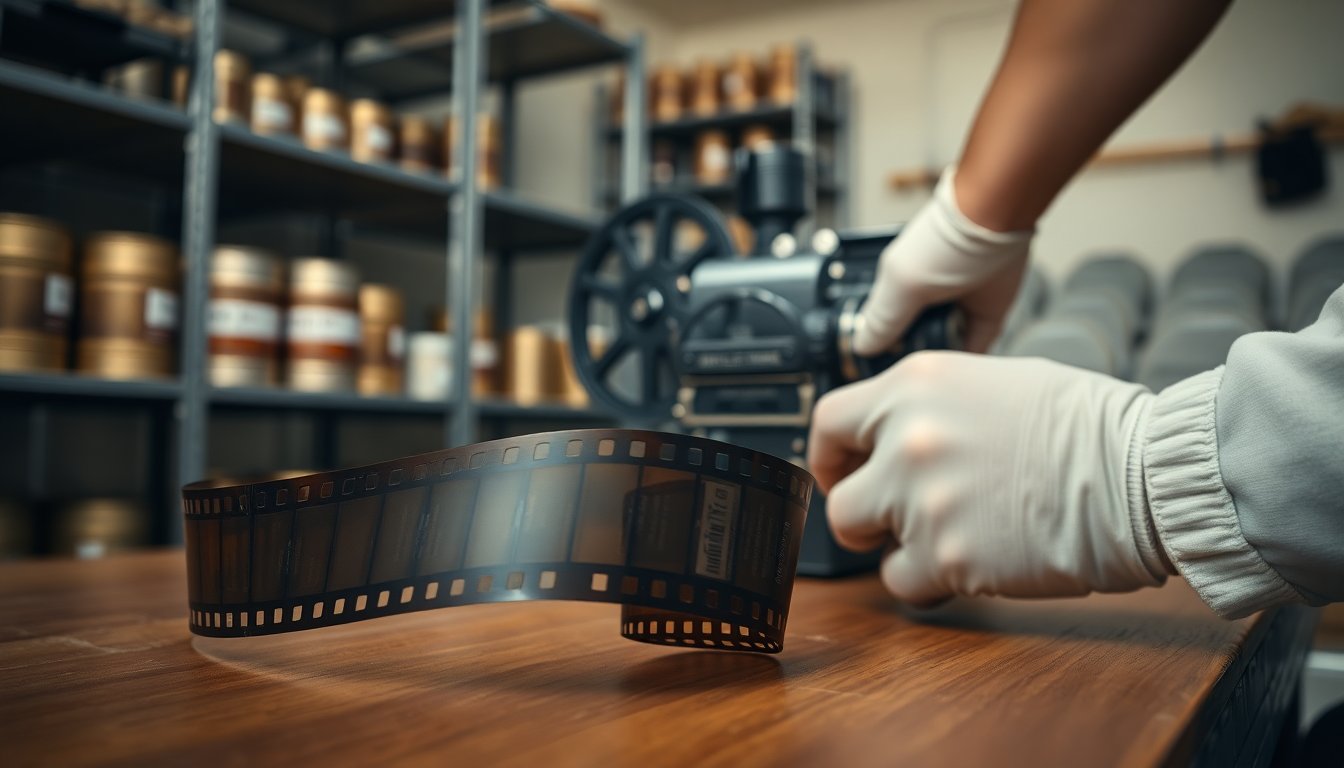
The city’s repertory circuit is offering a dense program of screenings that range from intimate artist retrospectives to bold 35mm revivals. If you enjoy seeing films presented as their makers intended, this roundup points to the weekend’s most notable programs: a major Agnès Varda retrospective at Film Forum, an expansive set of 35mm programs at the Museum of Modern Art, and an ambitious slate at Metrograph. These bookings emphasize the value of film preservation and theatrical presentation, highlighted by recent restorations and rare prints.
Understanding the terms helps when choosing what to see. The concept of repertory programming refers to curated, non-first-run screenings that showcase historical, artistic, or otherwise significant titles. A restoration denotes a print or digital transfer that has been repaired or regraded to approximate original release quality. Likewise, a 35mm presentation means the film is projected from physical celluloid, which often affects texture, grain, and color in ways that digital can’t replicate. With that context, here’s a breakdown of the standout offerings and where to find them.
Major retrospectives and restorations
The week brings several artist-focused surveys that are essential for cinephiles. At Film Forum, a significant Agnès Varda retrospective begins, offering an extended look at the filmmaker’s career and sensibility. Also at Film Forum, Satyajit Ray’s Days and Nights in the Forest continues to run in a new restoration, preserving the subtleties of Ray’s visual language. Film Forum rounds out the mini-program with a rare print of Jerry Lewis’ The Bellboy, screening on Sunday, a chance to experience Lewis’s physical comedy in a theatrical context.
Similarly, Anthology Film Archives is commemorating the avant-garde theater troupe Mabou Mines with an extensive retrospective. These programs foreground experimental performance and interdisciplinary work, useful for viewers interested in the intersections of theater and film. The emphasis on restored or archival materials across these retrospectives underscores the curatorial intent to present films as historical artifacts and living works.
35mm presentations and themed programs
The tactile appeal of celluloid is front and center at multiple venues. At the Museum of Modern Art, the series A View from the Vaults: The 1980s brings films by filmmakers such as Abbas Kiarostami, Akira Kurosawa, Rainer Werner Fassbinder, Kathryn Bigelow, and Bernardo Bertolucci on 35mm. Concurrently, the museum’s Marilyn Monroe: Celluloid Dream program is screening titles by directors including Otto Preminger and Howard Hawks, presenting Monroe-era studio and auteur work on film stock when possible. These programs make good use of archive holdings to stage historical conversations on-screen.
At Metrograph, a dense selection of 35mm presentations and festivals is underway. Expect screenings of Kill Bill: Vol. 2, Once Upon a Time in Hollywood, Ghost Dog, The Bad and the Beautiful, Code Unknown, Sunset Boulevard, The Girl with the Hatbox, and The House on Trubnaya all on 35mm. Metrograph also launches a retrospective devoted to filmmaker Boris Barnet, while continuing series dedicated to Juliette Binoche, Sukiyaki Bebop, What Price Hollywood, and Holy Trips. The programming there balances popular draws with offbeat archival finds.
Specialty screenings and late-night programming
Other cinemas around the city are offering focused or genre-leaning events. The Museum of the Moving Image is staging a large-scale retrospective titled 2001 in cinema, which includes 35mm prints of Pulse, The Royal Tenenbaums, and Fat Girl. At the Roxy Cinema, Oliver Stone’s Talk Radio will be projected on 35mm this Saturday, a reminder of that film’s stage-to-screen edge. The IFC Center is offering a series of late shows featuring An American Werewolf in London, House, The Fall, and The Sixth Sense for night owls and genre fans.
For earlier timeslots, Nitehawk Cinema programs include Madonna: Truth or Dare and Dope, providing day-and-night options for documentarians and modern coming-of-age narratives. Meanwhile, the Japan Society screens Paulo Rocha’s The Island of Loves on Friday, a chance to catch a less frequently circulated title in a theatrical setting. Together, these offerings demonstrate the city’s appetite for a wide range of repertory cinema, from mainstream art films to underground favorites.
Practical viewing tips
When planning visits, prioritize what you want to see on 35mm or in a newly completed restoration, because prints can be one-off opportunities. Check each venue’s schedule for exact showtimes and any introductions or talkbacks, which often accompany retrospectives. Arrive early for popular screenings and confirm ticket policies—many venues release limited tickets online and at the box office. Finally, consider pairing programs: a morning restoration screening followed by an evening late-night genre show can turn a single day into an enlightening survey of film history and technique.
Where to learn more
Keep an eye on theater websites and mailing lists for program updates and potential additions. Many repertory houses refresh their lineups with surprise prints or guest visits, so staying subscribed will alert you to ephemeral chances to see rare material. Whether you’re chasing a particular director, a coveted 35mm presentation, or a newly restored classic, the city’s repertory scene is offering a richly varied weekend for film lovers.