
The film Punishment Park, directed by Peter Watkins in 1971, presents a disturbing vision of a dystopian America confronting authoritarianism. This pseudo-documentary format captures a nation in turmoil, resonating with contemporary societal anxieties as governments around the globe face crises. Revisiting Watkins’ work prompts a critical discussion on themes that remain alarmingly relevant today.
Through its stark representation of civil liberties under threat, Punishment Park acts as a mirror reflecting the current state of unrest. The recent increase in interest towards films depicting societal collapse during the pandemic highlights this film as a timely commentary on the fragility of democracy.
Contextualizing Punishment Park
Set against the backdrop of a declared national emergency, Punishment Park portrays an America where dissent is criminalized in the name of maintaining order. Watkins’ use of raw 16mm film enhances the verité documentary style, creating a sense of immediacy and realism that immerses viewers in the film’s unsettling narrative.
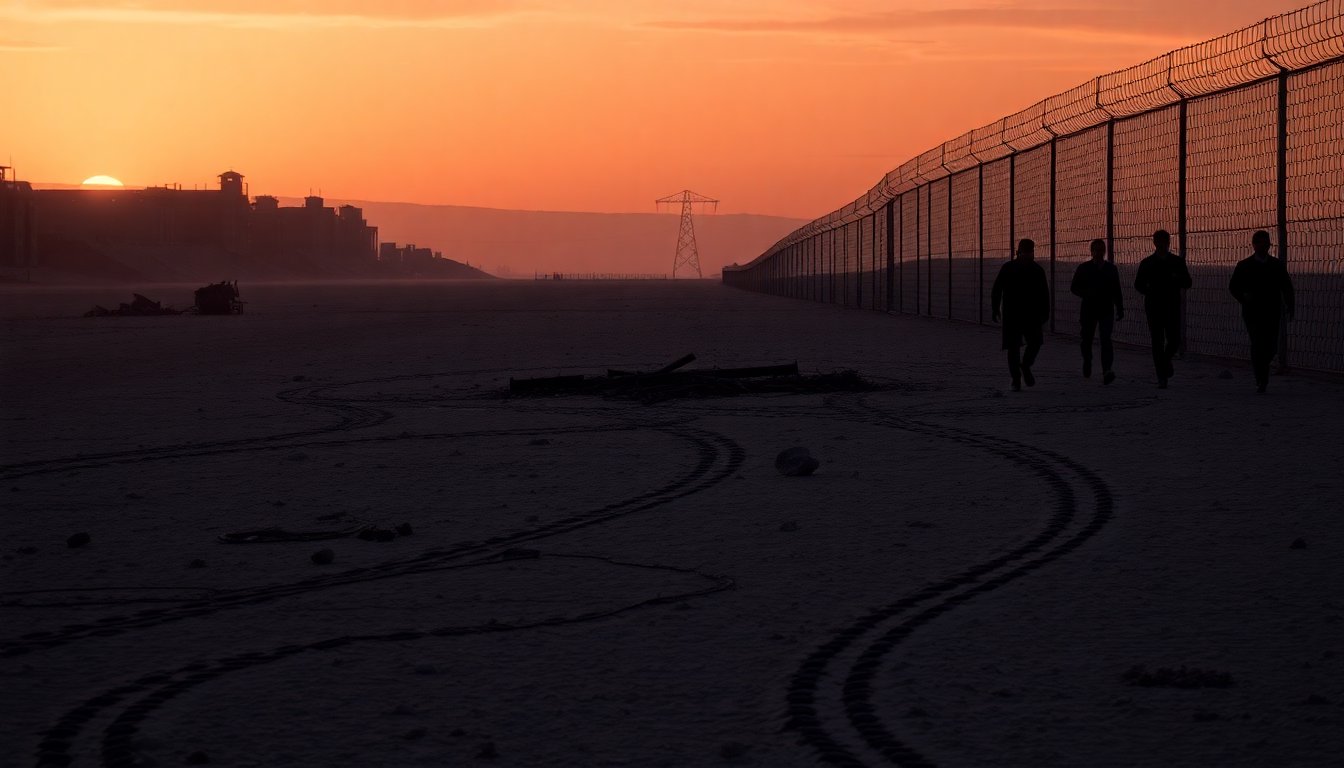
The storyline centers on two groups of political prisoners accused of sedition. One group faces a mock tribunal, while the other is presented with a grotesque alternative: a perilous race across the California desert, pursued by armed authorities. This extreme premise resonates with modern fears regarding governmental overreach and the erosion of civil rights.
Analyzing the film’s impact
Over the decades, Punishment Park has ignited discussions across various platforms, including social media. Its dialogues often resurface, echoing the discontent experienced by many in today’s political climate. The film’s unsettling nature lies in its ability to transcend time, making its commentary on power dynamics and social justice as relevant now as it was during its initial release.
Watkins’ work is pivotal in defining the mockumentary genre, influencing numerous films such as The Blair Witch Project and The Hunger Games. The film’s rawness and authenticity compel viewers to confront the harsh realities of systemic injustice rather than offering an escape from them.
Modern relevance and reflections
As we navigate the current socio-political landscape, the themes presented in Punishment Park resonate with an unsettling familiarity. With the rise of authoritarian sentiments and political polarization, the film serves as a stark reminder of the potential consequences of complacency. Its portrayal of a society where freedom is conditional and rebellion is met with violence prompts essential conversations about our responsibilities as citizens.
In an era where art is often perceived as a refuge, Punishment Park challenges viewers with the uncomfortable truth that impactful storytelling is frequently about provocation rather than comfort. The film’s conclusion leaves a haunting impression; as the pacifist characters approach the promised American flag, they encounter hostility instead of freedom, exemplifying the harsh realities of a rigged system.
The cyclical nature of censorship
The film faced significant backlash upon its release, with many deeming it too controversial for public viewing. This censorship is not an isolated incident but reflects a broader trend that persists in various forms today. As art continues to challenge societal norms, the repeated attempts to silence dissenting voices raise critical questions about the health of our democracy.
Punishment Park transcends its era, offering insights into the human condition and the enduring struggle against oppression. Revisiting this film not only enriches our understanding of history but also emphasizes our need for vigilance in safeguarding our freedoms.