
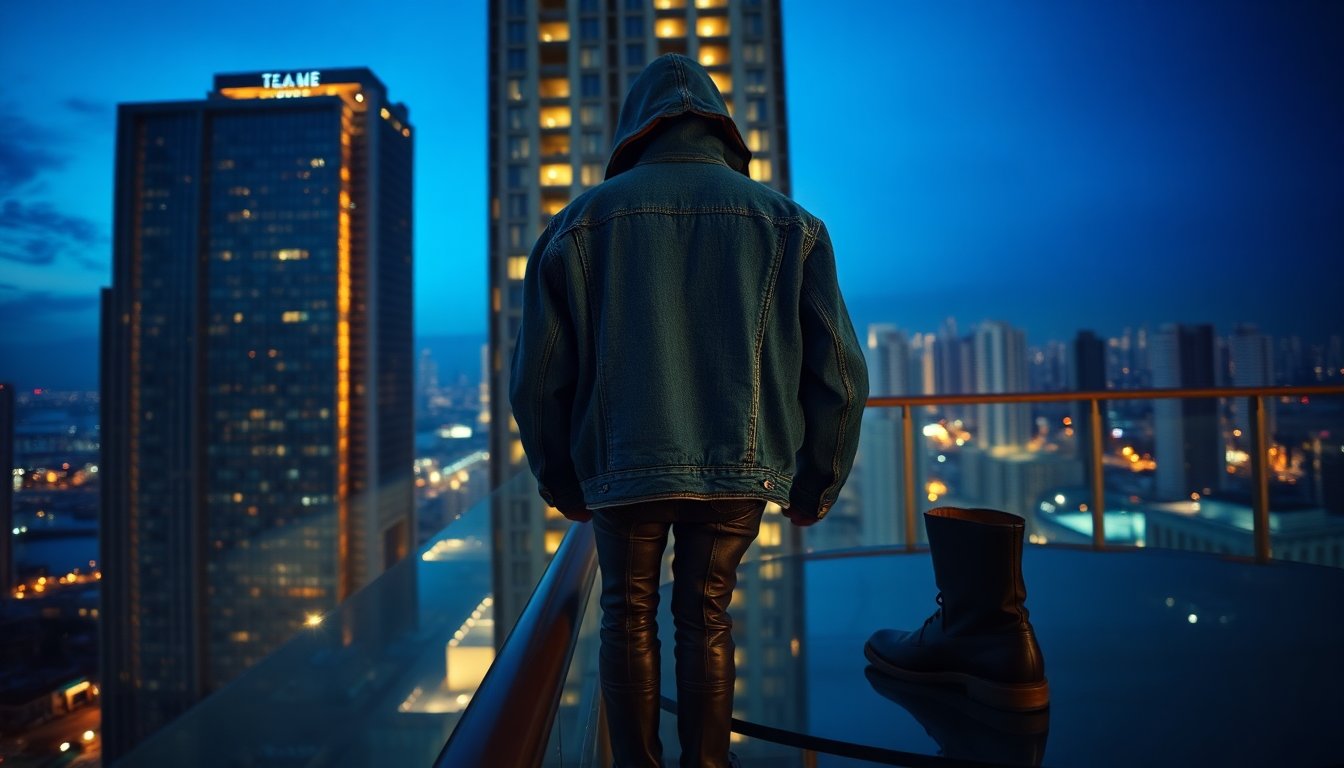
The city skyscraper at the heart of They Will Kill You is both stage and antagonist: an exclusive high-rise where privilege hides a murderous secret. Directed by Kirill Sokolov from a script he co-wrote with Alex Litvak, the film introduces Asia Reaves (played by Zazie Beetz), an ex-con who returns to New York on a mission to find her sister. What follows is an escalating clash between a physically formidable protagonist and a collection of wealthy tenants who belong to a satanic cult obsessed with sacrificial rites. Visually bold and frequently brutal, the movie chooses immediate momentum and inventive kills over slow-burn exposition.
Premiering at SXSW and arriving in theaters on March 27, 2026, They Will Kill You lands in a crowded release window, arriving a week after another high-profile horror sequel and inviting direct comparisons. Critics and audiences have already pointed out echoes of other works in the genre — particularly the premise of affluent elites staging ritual violence — but Sokolov’s film leans into homage rather than strict imitation. The result is a film that often feels like a curated playlist of genre signposts: influences are obvious, but the emphasis is on kinetic entertainment and stylistic bravado.
What the film gets right
From its opening moments, They Will Kill You commits to action. Sokolov wastes little time establishing that Asia is not a traditional Final Girl stereotype; she arrives equipped, skilled, and unapologetically physical. The director stages combat with a clear visual vocabulary: close-ups, abrupt edits, and inventive use of weaponry combine to produce sequences that are as satisfying for action fans as they are repulsive for gore enthusiasts. Cinematographer Isaac Bauman bathes the spaces in vivid color, and the soundtrack choices emphasize momentum, turning many scenes into near-music-video set pieces. For viewers who prioritize spectacle, the film delivers a steady stream of memorable moments.
Action as homage
Rather than hide its inspirations, the film embraces them. You can spot nods toward classic spaghetti-western close-ups, Japanese chambara blood-sprays, and old-school exploitation cinema across the fight choreography and visual design. Those references are woven into a modern, high-gloss package; the effect is not purely pastiche but a deliberate remix that foregrounds style. When the script allows, performers like Heather Graham and Tom Felton inject playful quirks into villainous turns, and Patricia Arquette brings gravitas to the enigmatic superintendent. Still, it is Zazie Beetz who anchors the film, turning physicality and timing into an unexpectedly charismatic lead performance.
Where the film stumbles
For all its visual pleasures, the movie rarely digs beneath the surface. The screenplay flirts with class warfare imagery — housekeepers of color contrasted with mostly white, wealthy tenants — but tends to make the idea a visual shorthand rather than an explored theme. World-building is similarly cursory: the rules governing the building’s rituals and the cult’s immortality remain murky, leaving narrative beats to function more like level progression than organic escalation. The structure can feel videogame-like, with each confrontation serving as a set-piece rather than a moment that propels meaningful character development. That leaves some viewers craving a clearer moral or emotional arc beneath the carnage.
Narrative limits and missed opportunities
Attempts to layer in social commentary and psychological depth rarely move past suggestion. While the relationship between Asia and her sister Maria (played by Myha’la) provides the film’s emotional center, the broader implications of the building’s design — floors themed like circles of an Inferno — are underutilized. The third act escalates into an outlandish crescendo that is tonally committed but narratively thin; it’s entertaining, but the spectacle often substitutes for thematic resolution. Viewers looking for a tight, idea-driven horror experience may find the movie frustratingly light on payoff.
Performance and lasting impression
Despite its narrative shortcomings, the film makes a strong case for Zazie Beetz as an action-horror lead. She brings an athletic presence and sharp comic instincts that keep the audience invested even when the plot stumbles. The production’s glossy sheen, loud needle drops, and unapologetic gore will please fans of visceral cinema, and the overall tone—part homage, part self-aware mayhem—creates an accessible crowd-pleaser. Critical response has been mixed: some reviewers praised the craftsmanship and Beetz’s star-making turn, while others faulted the movie for prioritizing style over substantive theme. One outlet rated the film 6.5 out of 10, reflecting the broader split between admiration for the execution and disappointment in the depth.
In short, They Will Kill You is a propulsive, visually striking piece of genre filmmaking that excels when it leans into kinetic thrills. It may not reinvent the horror-action wheel, but for viewers who come for inventive fights, audacious gore, and a magnetic lead, it offers a rewarding, if somewhat shallow, experience. The film opens March 27, 2026; for many, the question will be whether the exuberant violence and stylistic bravado are enough to outweigh the story’s limitations.