
When Chloé Robichaud’s Two Women arrived at Sundance, it didn’t roar — it whispered its way into attention. The film’s special jury prize for screenplay nudged buyers and critics closer, and the new U.S. trailer (from Joint Venture) gives a clearer sense of the movie’s sly tone: intimate, chilly and quietly funny. Two Women opens in New York’s Angelika on April 24, a classic launchpad for movies that rely on word of mouth rather than splashy marketing.
What the film feels like
Two Women recasts the sex comedy through the lens of new parenthood. Instead of teen misadventures, the story follows Violette and Florence as they wrestle with desire, identity and the small violences of everyday caretaking. Robichaud lets conversations breathe—claustrophobic kitchen-table exchanges, moonlit walks through a snowbound Montreal—so that sexual curiosity functions as a route to honesty and emotional repair rather than cheap laughs. The screenplay leans on interiority and dialogue; it favors quiet, revealing moments over broad set pieces.
A tactile image
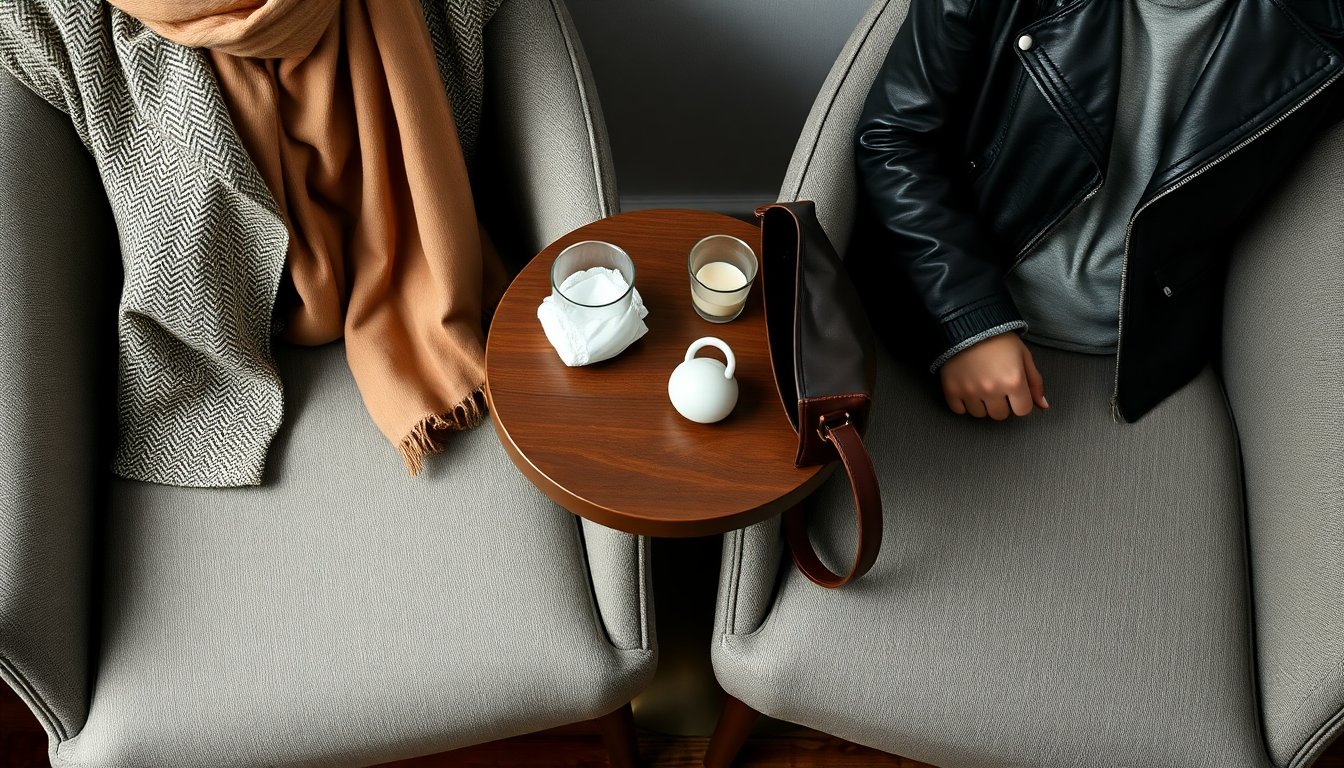
Robichaud shot the film on 35mm, and the choice shows. The grain and color temperature give the Montreal winter a tactile presence: the breath of the characters in cold air, the soft abrasion of a wool coat, light pooled in an inexpensive apartment. That texture is a calling card for cinephiles and festival programmers who prize distinct visual signatures, and it shapes how the film is likely to be packaged for specialty theaters and curated streaming windows.
The players
Laurence Leboeuf and Karine Gonthier-Hyndman anchor the film with performances that critics singled out at Sundance. The supporting cast—Sophie Nélisse, Juliette Gariépy, Mani Soleymanlou and Félix Moati—adds range and keeps the emotional rhythms unexpected. Because the movie trades in nuance, the actors’ small gestures—an awkward laugh, a long pause before answering—carry real weight, and those details are already the hooks press releases and program notes are using.
From stage to screen
Two Women began life on the stage, adapted for the screen by Catherine Léger. That theatrical provenance explains the film’s razor-sharp dialogue and concentrated scenes, but Robichaud also opens the material up cinematically: camera moves and location work let moments linger beyond the proscenium. That balance—preserving theatrical economy while exploiting film’s spatial possibilities—has historically appealed to programmers at festivals and specialty markets.
How it will play commercially
Expect a modest, targeted rollout. The Angelika opening is designed to capture concentrated critic attention and build urban word of mouth. Films like this often perform strongly per screen in week one and then expand selectively if reviews and audience buzz hold. Distributors will likely lean into the film’s festival credibility, the 35mm texture, and the cast in marketing—poster art, stills that highlight the Montreal atmosphere, and the trailer’s mix of humor and feeling.
Why the trailer matters
For a specialty title, a trailer does more than tease plot: it sets tone, signals audience, and drives early metrics that help exhibitors decide how many screens to book. The new U.S. trailer balances levity with emotional stakes in a way that should resonate with adult-skewing, arthouse viewers and give programmers confidence to extend bookings if initial engagement is strong.
Larger ripple effects
Two Women sits amid a string of female-directed comedies and dramas exploring mature sexuality and parenthood. If it sustains momentum—good reviews, lively critic quotes, solid per-screen returns—it could nudge distributors and platforms toward more work that treats adult desire with intelligence and empathy. Its lineage (the adaptation roots and nods to earlier Quebec cinema) also makes it an attractive title for retrospectives and specialized sales packages.
Final note
This is a film built for conversation more than conquest: a small, carefully shaped picture that trades on texture, performance and honest, sometimes uncomfortable, dialogue. The Angelika opening on April 24 will be the first real test of whether Sundance praise translates into the steady, word-of-mouth life that specialty films rely on. If audiences respond, expect a slow, thoughtful rollout rather than a rapid, wide release.