
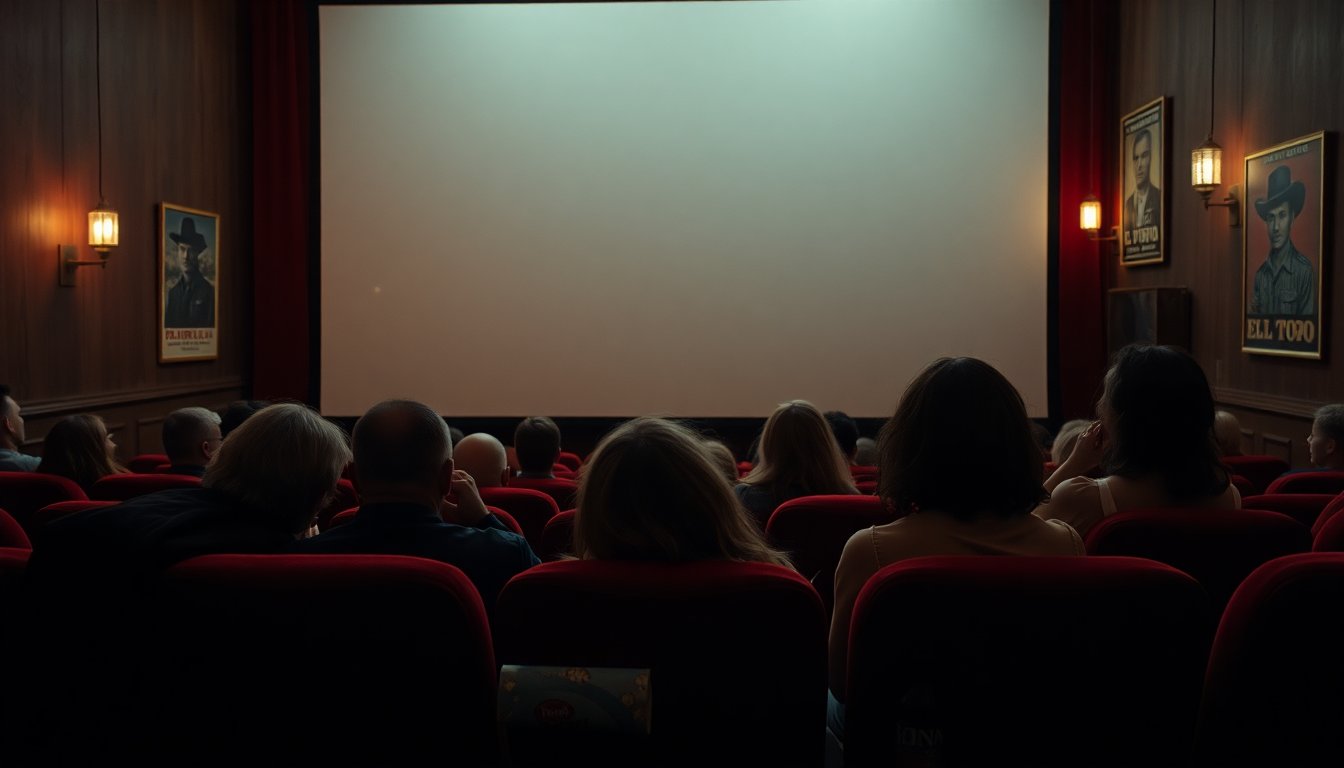
In the realm of cinema, few films have achieved the unique cult status of El Topo, directed by Alejandro Jodorowsky. Released in 1970, this film is often heralded as the first true midnight movie, captivating audiences with its surreal narrative and unprecedented storytelling approach. Its journey from obscurity to cult classic status offers a fascinating glimpse into the evolution of film culture, particularly during the late-night screenings of the 1970s.
The story of El Topo begins with a visionary named Ben Barenholtz, who recognized the film’s potential after a shocking screening at the Museum of Modern Art in New York City. Witnessing the film’s bizarre and provocative content, he understood that a unique audience was eager for alternative cinema experiences. Although unable to secure U.S. distribution rights, Barenholtz ingeniously arranged for the film to be showcased during late-night slots at the Elgin Theater, starting at midnight. His gamble paid off, as the film drew a dedicated crowd, marking the birth of the midnight movie phenomenon.
The midnight movie phenomenon
Barenholtz’s midnight showings quickly became a sensation. Within a week, the Elgin Theater was filled to capacity, with audiences eager to partake in the unconventional cinematic experience that El Topo provided. The atmosphere was electric, partly thanks to the permissive environment that allowed moviegoers to openly consume marijuana, creating a haze that enveloped the theater. As Barenholtz humorously recalled, it took just a few inhales for attendees to feel the effects. This cultural shift laid the groundwork for what would become a thriving midnight movie scene, influencing future cult classics.
John Lennon’s admiration for El Topo
Among the film’s fervent admirers was none other than John Lennon, who saw the film’s potential as a creative force. In a surprising turn, he persuaded Allen Klein, The Beatles’ manager, to invest in Jodorowsky’s next project, a film titled The Holy Mountain. Lennon’s enthusiasm for El Topo further solidified the film’s reputation, linking it to one of the most influential bands in music history. However, the collaboration between Jodorowsky and Klein was not without its difficulties, ultimately leading to a tumultuous relationship that strained their professional endeavors.
The narrative and themes of El Topo
At its core, El Topo is a profound exploration of existential themes, infused with religious symbolism and striking imagery. The film portrays the journey of a gunfighter traversing an enigmatic desert landscape, facing off against four master shooters. Each confrontation serves not just as a representation of violence but as a metaphor for the internal struggles and moral dilemmas faced by the protagonist. As the narrative unfolds, El Topo grapples with the consequences of his actions, leading to a deeper questioning of the righteousness of his quest.
Jodorowsky’s film simultaneously critiques the tropes characteristic of the Western genre, particularly the glorification of gun violence. Through its unconventional storytelling and rich visual language, El Topo challenges audiences to reflect on the impact of their choices and the essence of their humanity. The film’s ensemble cast, including renowned actors like Alfonso Arau, adds depth to its exploration of these themes, resonating with viewers long after the credits roll.
Controversies surrounding Jodorowsky
Despite its acclaim, El Topo has not escaped controversy. Jodorowsky’s candid remarks regarding a contentious scene in the film, which he claimed involved unsimulated sexual assault, sparked outrage and led to the cancellation of a retrospective at the New York Museo del Barrio in 2019. Jodorowsky later retracted his statements, admitting they were intended as a provocative marketing tactic. This incident has led to divided opinions among fans, with some reevaluating their admiration for the filmmaker in light of his comments.
Nevertheless, the enduring impact of El Topo cannot be overstated. The film remains a vital part of cinematic history, celebrated for its audacity and innovation. Critics like Roger Ebert have recognized its significance, praising it as a groundbreaking work that paved the way for future cult cinema. As the years have passed, El Topo continues to draw new generations, leaving an indelible mark on the landscape of film.
In light of its cultural significance and ongoing discussions, El Topo stands as a landmark in film history, reflecting the power of art to challenge societal norms and provoke thought long after its release.