
Overview
On March 2, 2026, ABC’s The Rookie slipped a short, surprise sequence into a primetime episode that brought a handful of Dropout personalities into a scripted robbery scene. Sam Reich joined regular Dropout contributors Vic Michaelis, Jacob Wysocki, Zac Oyama and Anna Garcia for a blink-and-you-might-miss-it cameo that immediately rippled online—and inside both organizations’ inboxes.
What aired
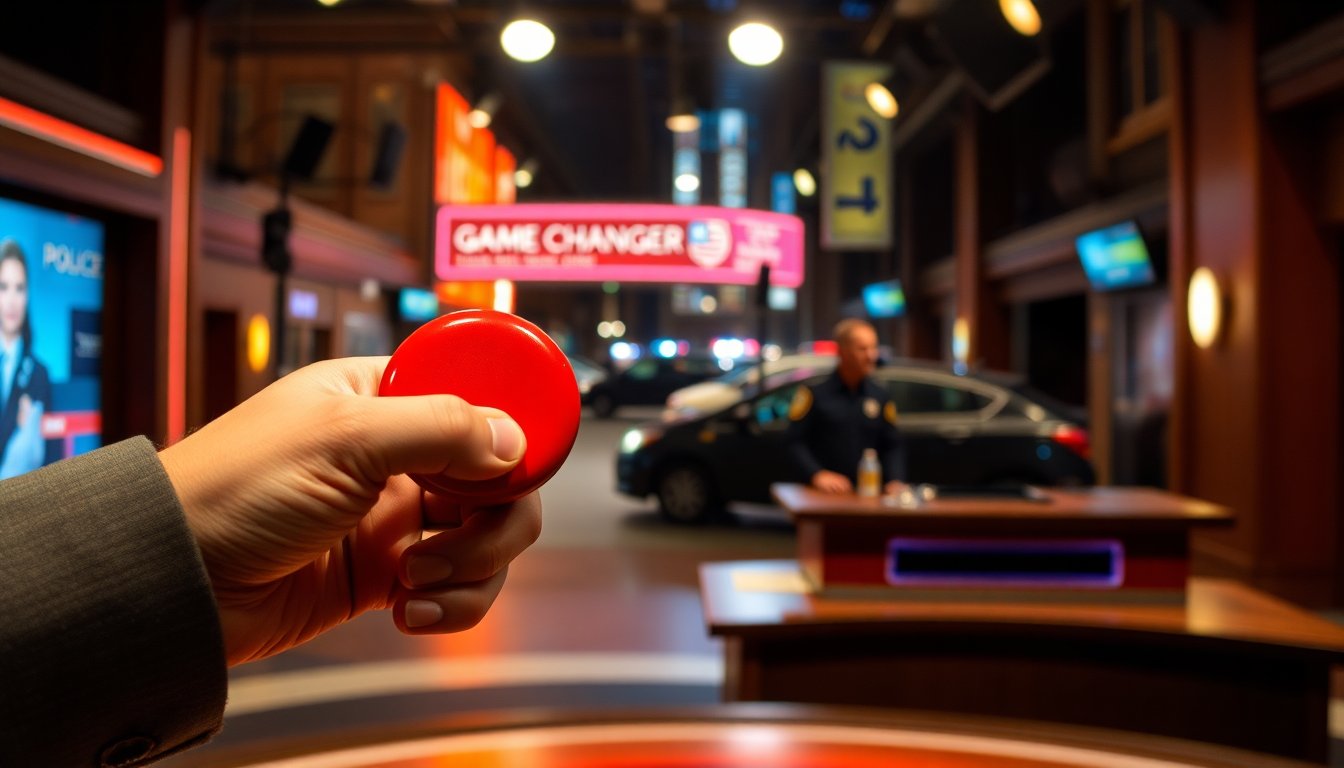
The sequence recreated Dropout’s Game Changer set inside The Rookie’s world: a staged taping interrupted by a faux robbery, with the Dropout performers playing themselves. The bit ran under two minutes, played for laughs, and producers kept improvisation to a minimum so the timing fit the network episode.
Immediate response
Online attention spiked almost instantly. Search traffic, social mentions and short-term subscription activity for Dropout jumped in the 24–48 hours after broadcast. At the same time, a smaller but vocal group of viewers—especially politically engaged subscribers—pushed back, calling the cameo tone-deaf or, in some posts, “copaganda.” Others treated the moment as harmless satire. In short: measurable reach gains paired with concentrated controversy.
How it got made
The crossover began as a creative pitch from The Rookie’s team, who had been following Game Changer and wanted a surprising comic beat. Negotiations covered creative control, union compliance and likeness clearances. Production files and call sheets show Dropout shared technical riders, stage diagrams and camera blocking; ABC rebuilt key visual elements on its stage and ran closed rehearsals to sync lighting, marks and audience cues. Legal, talent relations and operations all signed off along the way, and contingency plans for audience reaction were written into production memos.
Inside the post-broadcast scramble
Internal memos circulated across programming, legal and PR teams cataloging likely scenarios, scripted talking points and escalation protocols. Community moderators flagged complaints within 24 hours and passed summaries up to senior staff within 72. Producers and executives convened emergency calls to weigh whether to clarify publicly, adjust moderation, or treat the episode as a one-off experiment. Sam Reich addressed the controversy in a livestream, acknowledged mixed feelings among fans, invited feedback and defended the cameo as a growth opportunity for creators.
Where opinions diverged
Two fault lines dominate the documents and the conversation. One is practical: did the cameo earn Dropout useful exposure and bring new viewers to the platform? The answer here was yes—analytics from network partners showed spikes in simultaneous viewing and increased sign-ups in the immediate aftermath. The other is cultural: did a mainstream broadcast moment dilute the platform’s countercultural identity or compromise performer-friendly policies? Moderators, some community-facing staff and a segment of the audience worried it did.
Operational details and risks
Records show careful logistical work—rehearsal schedules, safety checks, union sign-offs and fast-track editorial reviews—but also a compressed timeline that left limited room for deeper sensitivity screening. Legal teams reviewed short-term releases rather than a long-term marketing pact, suggesting the tie-up prioritized promotional value over revenue. External consultants were brought in to assess reputational risk; talent relations repeatedly raised questions about preserving the platform’s non-commercial, artist-first stance.
The symbolism problem
Even though the cameo was scripted as comedy and did not contain overt advocacy or promotional ties to law-enforcement agencies, the mere presence of a police setting and officers on screen triggered symbolic readings for some viewers. Moderation logs show complaints tended to emphasize principle—concern about normalizing or softening portrayals of policing—more than the scene’s concrete content. That gap between editorial intent and audience reception is a central theme in the postmortem.
What this means for niche platforms
The episode functions as a case study in the trade-offs facing small, identity-driven services as they scale. Crossovers can buy scale, visibility and potential ad or subscription upside; they can also erode the tonal distinctiveness that attracts and keeps core subscribers. Documents reviewed recommend weighing symbolic resonances—what a scene looks like to an invested audience—alongside raw engagement numbers. For creators, the choice is between wider exposure and the risk of alienating an audience that values a platform’s countercultural posture.
Planned next steps
Executives are not treating this as a closed file. The platform is instituting cross-departmental reviews, tightening approval protocols for outside appearances, and drafting a cameo playbook that increases pre-release scrutiny for scenes with politically sensitive symbols. Plans include targeted outreach to concerned subscribers, updated collaboration guidelines, a clearer escalation path from moderation to leadership, and ongoing monitoring of retention and sentiment metrics. Legal teams will finalize outstanding releases and may adjust standard agreements to streamline safe future collaborations. How the platform documents these decisions, communicates them to creators and listeners, and adapts its approval processes will determine whether this episode is a one-off experiment or the first of many contentious crossovers.