
The Netflix adaptation titled Jo Nesbø’s Detective Hole arrives as a bold effort that often feels both overloaded and visually assured. First published 26/03/2026 13:00, the original assessment observed a tension between ambitious scope and narrative clutter: the series is frequently described as overstuffed, yet its grim atmosphere and production values remain compelling. This piece revisits those impressions and expands on why the show can seem excessive while still delivering memorable moments.
The opening episodes establish an unmistakable tonal identity: a mixture of bleak crime storytelling and carefully crafted imagery. From early sequences the show signals an appetite for texture and mood, leaning into contrasts between urban decay and cinematic polish. Viewers will notice the program’s commitment to creating a palpable world — a quality that makes the series feel like a richly designed object even when the plot threads multiply. Throughout this analysis, I use visual style and narrative density as the twin axes that define the series’ strengths and frustrations.
Visual style and atmosphere
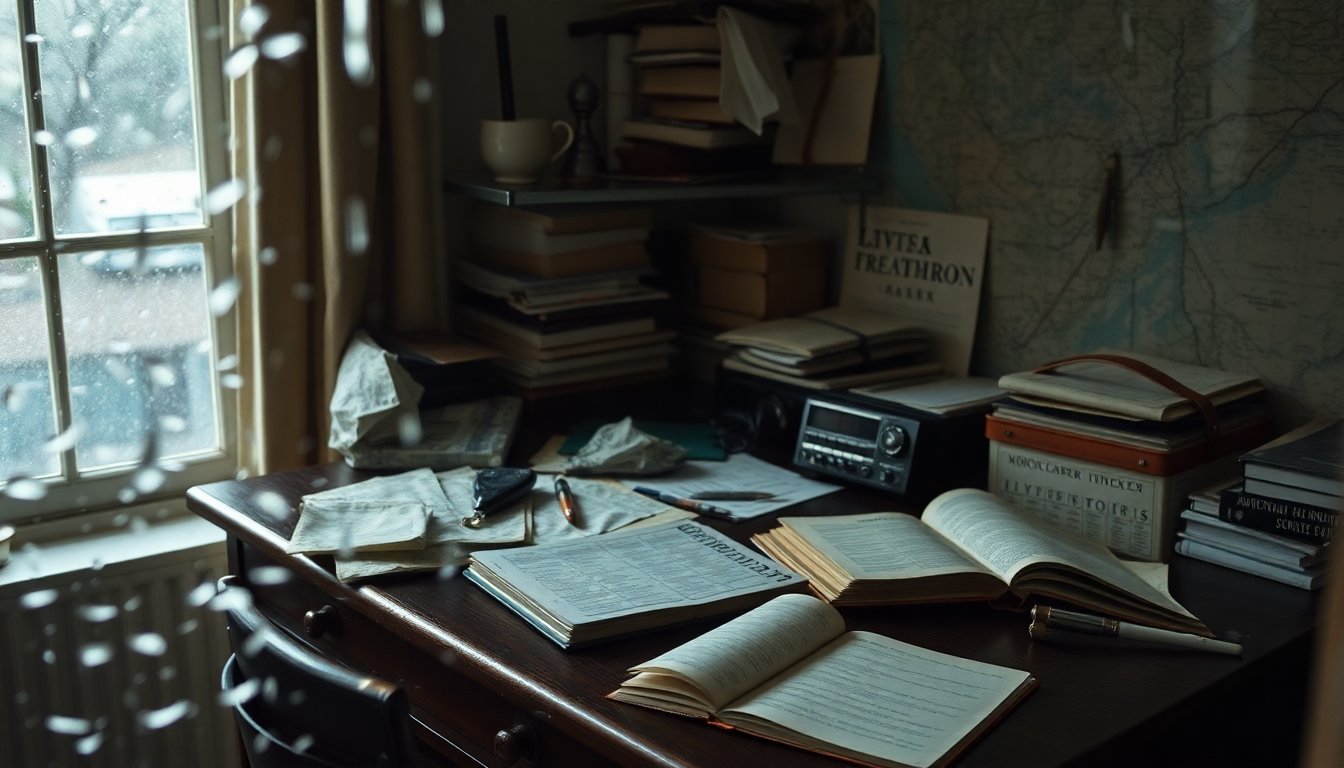
The most immediate strength of Jo Nesbø’s Detective Hole is its aesthetic. The show is often beautifully mounted, with interiors and exteriors photographed to emphasize mood over clarity. This approach yields scenes that are tactile and unsettling; production design, lighting, and sound combine to create sustained tension. When a program outfits its world with such detail, the result can feel cinematic on the small screen — a quality that both elevates the series and invites scrutiny when every scene vies for attention.
Cinematography and design choices
On a granular level, the cinematography favors long takes and carefully composed frames that highlight texture and shadow. Costume and set work contribute to a coherent visual language, while the score underlines emotional beats without resorting to cheap cues. These elements make the show visually rewarding, even in its denser stretches. The deliberate use of atmospheric restraint at times offsets the narrative overload, allowing viewers to linger on visual details as the plot continues to expand.
Narrative density and pacing
Where the series draws criticism is in its ambition to cram numerous subplots and character arcs into the runtime. The adjective overstuffed describes a structure where thematic and plot-related ambitions multiply faster than the narrative can resolve them. Pacing is uneven at moments — rapid exposition collisions with slower character beats — which can be disorienting. Yet this density is also a statement: the adaptation attempts to map a complex literary world onto screen, and in doing so it sometimes sacrifices narrative clarity for scope.
Adaptation challenges
Translating a layered crime novel into a serialized visual format inevitably creates trade-offs. The series often prioritizes atmosphere and character glimpses over tight plotting, which can leave some storylines feeling underdeveloped. Still, the choice to keep multiple threads active may reward attentive viewers who are willing to assemble connections slowly. The tension between fidelity to source and the demands of television is a core element of the show’s identity, and it helps explain why reactions range from admiration to frustration.
Performances and ensemble impact
One area where the series rarely falters is its cast. The ensemble offers consistently strong work that grounds the larger excesses of the production. Individual moments of raw emotional clarity emerge from sustained performances, and these help anchor the viewer when the plot grows dense. Praise for the acting is unanimous: capable performers rescue scenes that might otherwise buckle under the weight of competing subplots. In short, the human work on screen provides the series with its most persuasive center.
In conclusion, Jo Nesbø’s Detective Hole is a complicated success. Its ambition produces both moments of striking beauty and stretches of excessive plotting. The series is grisly and refined in equal measure, driven by an ensemble that consistently delivers. For viewers who favor atmosphere and performance over tightly wound procedural resolution, the show will feel rewarding; for those seeking streamlined plotting, its overstuffed nature may prove a barrier. Either way, the adaptation remains a notable example of how scale and craft can coexist uneasily but memorably on the streaming landscape.