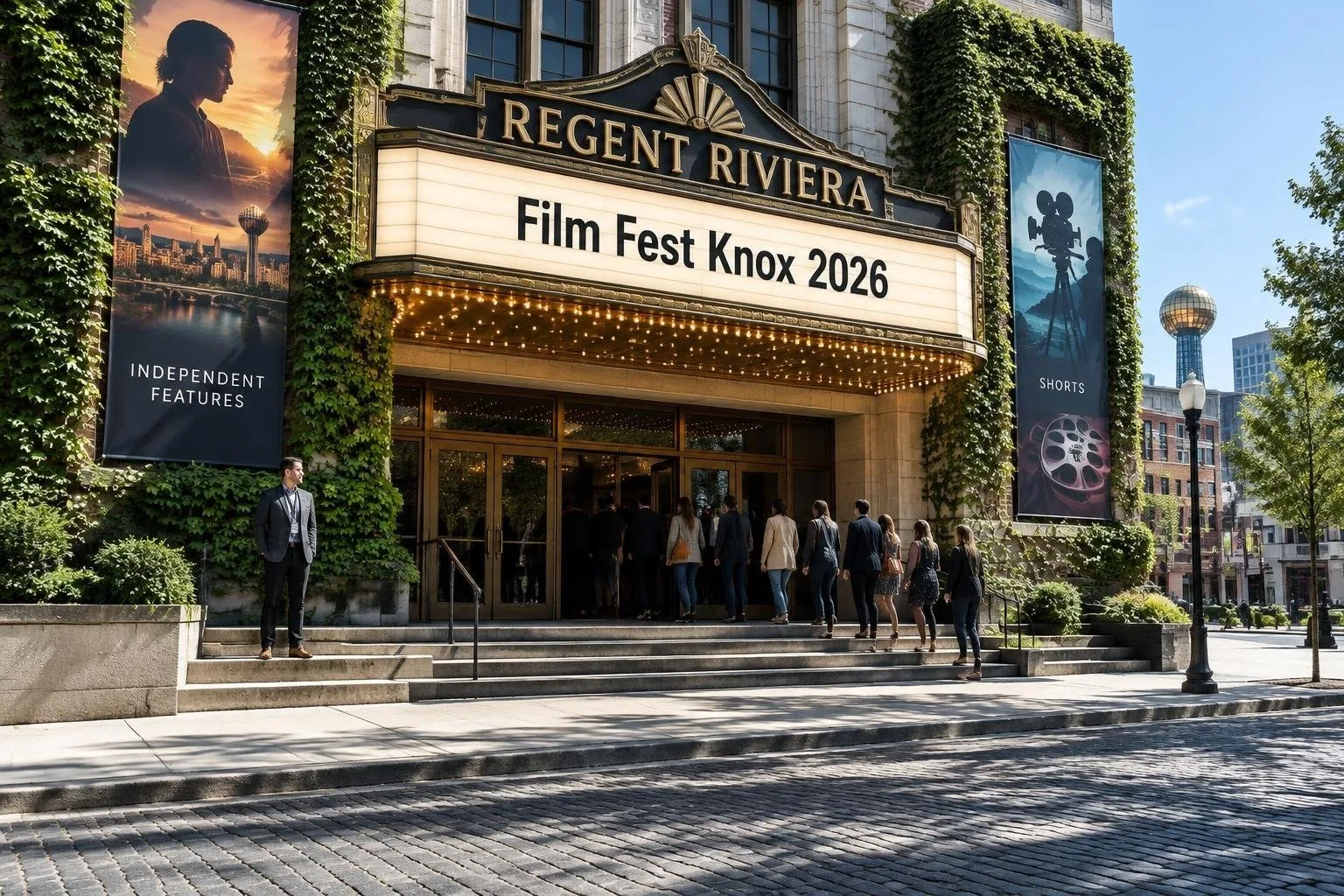
The 2027 festival calendar is shaping up with three high-profile announcements that signal where contemporary cinema is heading. The International Film Festival Rotterdam (IFFR) has mapped out a series of Focus programs that dive into the resurgence of analog horror and celebrate veteran Swedish producer Kalle Boman. Meanwhile, the International Documentary Film Festival Amsterdam (IDFA) will showcase a robust slate of films supported by the Sundance Institute, many of which earned top honors at the 2026 Sundance Film Festival. Finally, the Sundance Film Festival is set to leave its Utah home for Boulder, Colorado, launching its first North-American edition in January 2027.
These moves reflect a broader industry trend: festivals are not only curating static line-ups but actively shaping new narrative forms, distribution models, and audience experiences. Rotterdam’s emphasis on “Analog Nightmares 2.0” underlines how online communities and obsolete media aesthetics are reshaping horror, while IDFA’s partnership with Sundance underscores the continuing importance of documentary storytelling in a streaming-driven market. The Boulder relocation, driven by logistical needs and Colorado’s creative ecosystem, promises a more compact, accessible festival layout that could become a template for future events. Together, the announcements illustrate how festivals act as incubators for both genre experimentation and infrastructural innovation.
Rotterdam Film Festival unveils analog-horror focus
For its 56th edition, IFFR will run a Analog Nightmares 2.0 strand that positions analog horror as a legitimate cinematic language. World premieres include Joshua Garity’s The Space Between and the concluding episode of the YouTube series Midwest Angelica: Landfall, a found-footage, cosmic-horror project by AQ Studio. The festival also programs Ramiro and Adrián García Bogliano’s comedy-horror La Mancha, Robby Rackleff and Alan Resnick’s Dance Freak, and Wiktor Stribog’s surreal Smile Guide. A series of panels and interactive sessions will dissect the participatory cultures that fuel the genre, from Alternate Reality Games to live-streamed broadcasts, highlighting how analog horror blends obsolete media aesthetics with modern transmedia storytelling.
In addition to the horror focus, Rotterdam dedicates a tribute to Swedish producer Kalle Boman, whose six-decade career has shaped filmmakers such as Roy Andersson and Ruben Östlund. The program features Andersson’s Giliap, Östlund’s debut The Guitar Mongoloid, Bo Widerberg’s Elvira Madigan, and Marie-Louise Ekman’s absurdist The Secret Friend. A separate showcase revisits the work of Jordan Strafer, presenting the final installment of her Loophole trilogy, Talk Show, alongside rarely screened earlier pieces that blend personal narrative, puppetry and prosthetics. The overall line-up underscores IFFR’s commitment to examining cinema’s evolution through both the avant-garde and its influential architects.
IDFA showcases Sundance-backed documentaries
The 39th International Documentary Film Festival Amsterdam opens on 12 November and runs until 22 November, presenting a curated selection of films nurtured by the Sundance Institute. Highlighted titles include the U.S. Grand Jury Prize winner Nuisance Bear and the World Cinema Documentary Special Jury Award for Journalistic Impact winner Birds of War. Other acclaimed works are Everybody to Kenmure Street (World Cinema Special Jury Award for Civil Resistance), To Hold a Mountain (World Cinema Grand Jury Prize), and Closure. Projects from the Documentary Film Program such as Hazara Town and Regarding Memory and Neglect, as well as the Artist Accelerator piece Baby Jackfruit Baby Guava, also appear. IDFA will screen historic Sundance titles like Ralph Bunche: An American Odyssey (2001) and Symbiopsychotaxiplasm: Take One (1992), offering a retrospective of the institute’s impact on nonfiction cinema.
Sundance Festival heads to Boulder in 2027
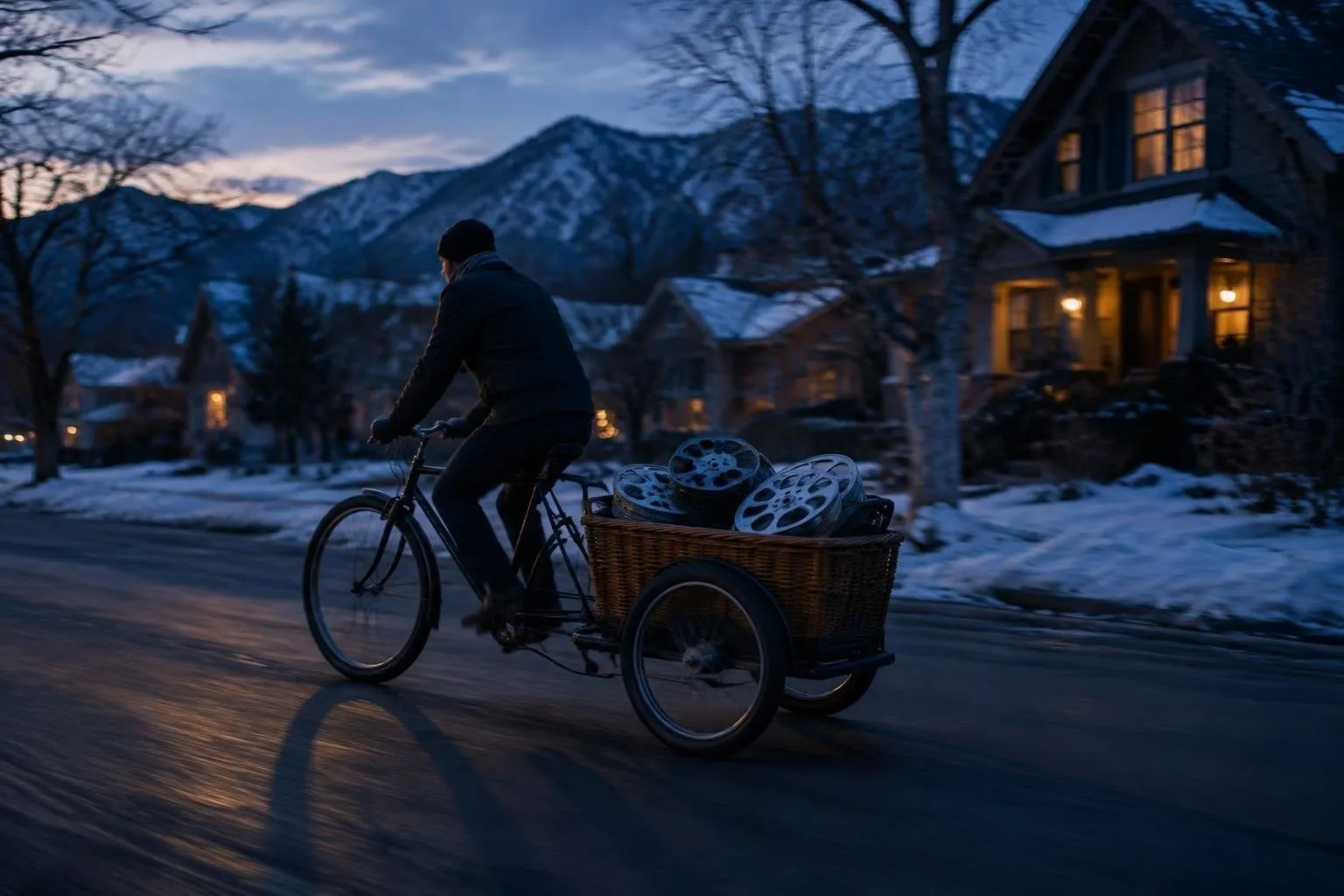
Starting 21 January 2027, the Sundance Film Festival will relocate from Park City to Boulder, Colorado, extending its run to 31 January. The move follows comments from Boulder film commissioner Bruce Borowski that the festival outgrew its Utah venue a decade ago, and was motivated by the city’s walkable downtown, proximity to an international airport and immediate access to the Flatirons. Festival director Paula DuPré Pesmen notes that the new format will cluster all venues (including Boulder Theater, Chautauqua Auditorium and eTown Hall) within a two-mile radius, making transitions between screenings, panels and social events far more fluid.
Venue cluster and transport
Attendees will benefit from a dedicated Sundance shuttle network, free HOP bus service, shared e-bike passes and complimentary Regional Transportation District (RTD) rides linking hotels to the festival core. Once downtown, most locations are reachable on foot, and the city’s bike-friendly streets further reduce reliance on cars. This concentrated geography aims to enhance networking opportunities and lower the logistical burden that previously plagued the sprawling Park City layout.
Accommodations and cultural offers
With an expected audience of roughly 90 000 over eleven days, Boulder has prepared extra short-term rental licenses and encouraged hosts to list properties on platforms such as Airbnb and Vrbo. Visitors are also urged to consider nearby cities, Denver and Estes Park, both of which will operate free shuttle routes into Boulder. Between screenings, festivalgoers can explore over 400 dining options, from the James Beard-awarded Frasca to the historic Sink, once staffed by a young Robert Redford. Nightlife options include the speakeasy-styled License No. 1 and the tropical lounge Jungle, offering a festive counterpoint to the winter mountain backdrop.