
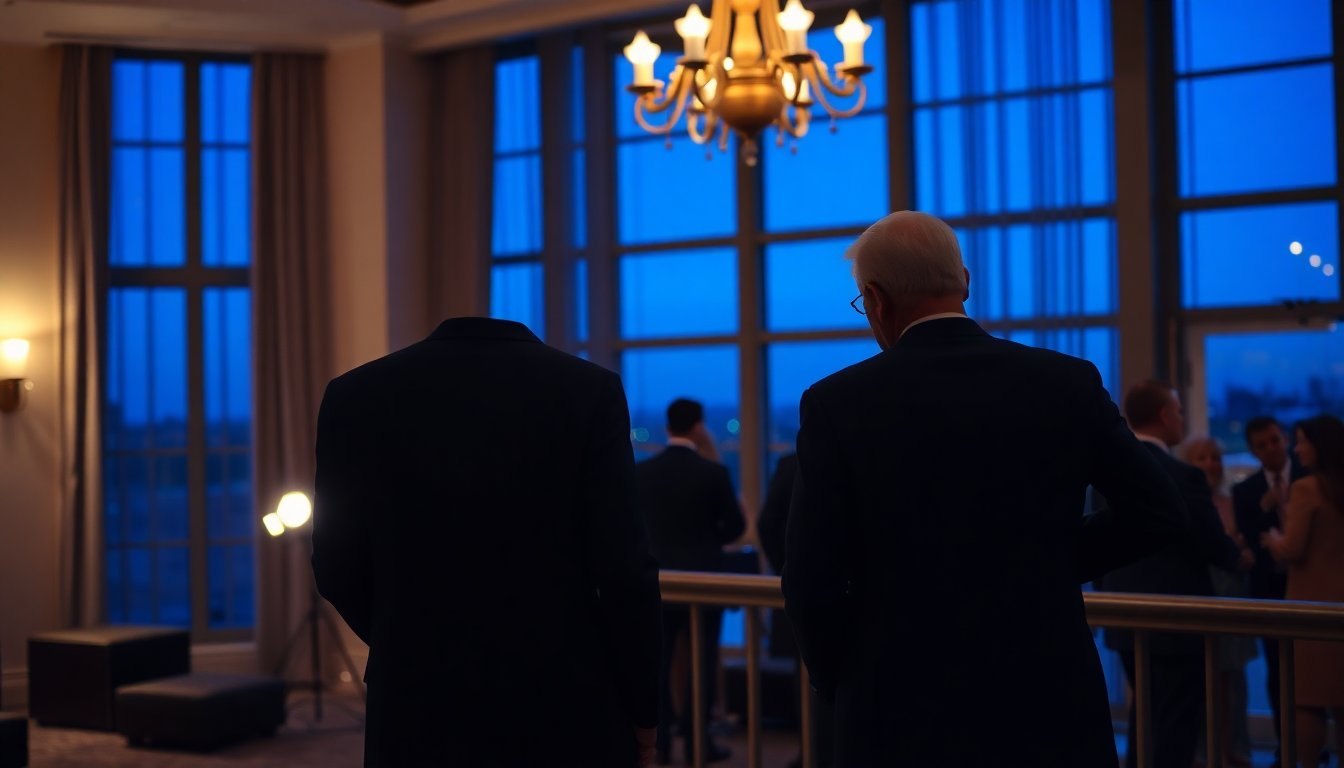
The weekend leading into the White House Correspondents’ Dinner unfolded as a patchwork of receptions, private meals and guarded conversations. On Saturday night, attendees were set to be entertained by mentalist Oz Pearlman, whose stage work focuses on apparent mind reading and audience illusions, while the memory of a canceled comic appearance still lingered. Comedian Amber Ruffin, whose planned set at the 2026 dinner was dropped after comments on a podcast about the Trump administration, remained a touchstone for debates about tone and invitation lists along the circuit of events.
Across Friday’s gatherings, guests treated the evenings as a mix of celebration and strategic venting. Many parsed whether President Trump—reportedly slated to attend and speak for the first time in either of his two terms—might use the platform to attack media organizations that sponsor tables. Conversations among reporters, publicists and executives circled questions about walkouts, applause lines and whether the president would theatrically recognize journalists who had reported critically on him. Several people who shared their views asked not to be named, preferring anonymity in a crowded weekend full of cameras and company.
Parties, locations and notable faces
Events ranged from embassy soirées to brand-hosted soirees, and the guest lists reflected a mix of on-air talent and newsroom management. At a reception backed by CAA and Vanity Fair, held at the Belgian ambassador’s residence, attendees included CNN personalities Jim Sciutto, Elex Michelson, Wolf Blitzer and John Berman, Crooked Media’s Alex Wagner, former CBS News president Susan Zirinsky, ABC’s Rick Klein and independent journalist Don Lemon. That gathering offered a conventional backdrop for private conversations about the coming speech and the broader media climate.
On another evening in Georgetown, UTA hosted a dinner at Osteria Mozza that drew figures such as CBS Evening News anchor Tony Dokoupil, NBC correspondent Gabe Gutierrez, CNN’s Jake Tapper, ESPN commentator Stephen A. Smith, MSNBC’s Katy Tur and Fox personalities Shannon Bream and Jimmy Failla. Guests used the time to swap leads, promote projects and trade views on outlet strategies as they prepared for the high-profile night to come.
Private meetings, corporate stakes and Washington dynamics
Beyond socializing, the weekend included closed-door conversations with political and corporate implications. A private Paramount dinner brought together CBS News executives, Washington staffers and President Trump, who sources said spoke for about an hour; protesters gathered outside. The meeting took on extra significance while Paramount, led by CEO David Ellison, pursues regulatory approval for a proposed acquisition of Warner Bros. Discovery—a consolidation that would reshape major media assets. Paramount and CBS News declined to comment on the private gathering, underscoring how sensitive such industry negotiations remain.
At the UTA and other receptions, attendees quietly weighed what a Trump appearance might mean for press freedom and public perception. Some speculated whether the president would mimic past dinners by playfully roping journalists into his routine or instead use the opportunity for pointed rebukes. The unpredictability of the speech added a political edge to otherwise festive events and left many wondering how anchors and editors might publicly react in real time.
Industry anxiety and the business of presence
Why executives and reporters still come
Despite worries about ratings erosion, shifting audiences toward digital creators, and periodic layoffs, major news brands still treat the dinner weekend as fertile ground for deals and exposure. Executives including Debra OConnell, Mark Lazarus, Cesar Conde, Rebecca Blumenstein, Rebecca Kutler, Almin Karamehmedovic, Amy Entelis, Tom Cibrowski, Bari Weiss and KC Sullivan were among those circulating, and C-SPAN chief Sam Feist was notable for wearing pins promoting his network. The mix of editors, anchors and corporate leaders reflects the event’s enduring value as a place to pitch series, promote scoops and nurture relationships.
Broadcasters also planned considerable coverage: in addition to C-SPAN and CNN, outlets such as Fox News, MSNBC and NewsNation were expected to air the proceedings, ensuring an expanded audience for whatever unfolded on stage. Industry insiders framed the weekend through the lens of the upcoming midterm election, which traditionally lifts viewership and advertising interest and can accelerate newsroom activity and strategic hiring.
Alternative gatherings and closing notes
Not all activations were conventional. Grindr arranged its own WHCD-adjacent event; CEO George Arison declined to name the location or list attendees but framed the meet-up as part of the app’s growing policy engagement. Arison, who said he emigrated from the Soviet Union at age 14, used his remarks to underscore the value of free expression in the U.S., noting that Americans can speak freely in ways not possible in other countries. His comment added a civil liberties layer to conversations otherwise dominated by industry positioning.
Ultimately, the weekend served as a reminder that the news business continues regardless of who takes the lectern. Reporters will pitch, producers will plot coverage and executives will plan for the political cycles ahead. For many guests the advice was simple: enjoy the night, take meetings and remember that whatever is said onstage will quickly become the next story to chase.


