
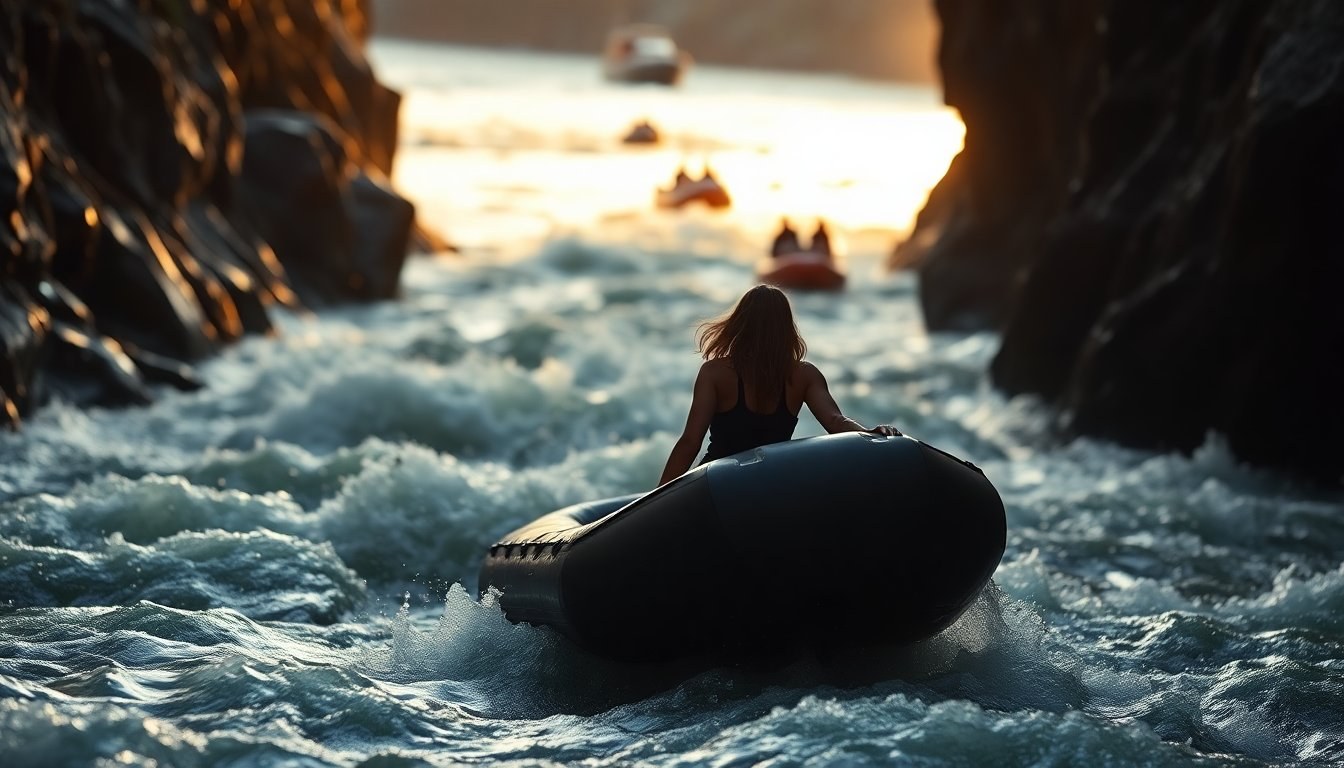
For many viewers, Meryl Streep is synonymous with measured dramatic work rather than high-adrenaline sequences, which makes her experience on the 1994 film The River Wild all the more striking. The film, an action thriller set largely on white-water rapids, paired Streep with Kevin Bacon and featured supporting performances from John C. Reilly and David Strathairn. During one sequence intended to look straightforward, a raft overturned in violent water and Streep was dragged under, an incident that exposed the real hazards of shooting on a natural river.
The production took place on the Kootenai River in western Montana, where the current and churning water proved unpredictably powerful. Director Curtis Hanson and the crew relied on a combination of experienced guides and protective measures, including multiple kayakers positioned to assist performers. Still, exhaustion and the raw force of the rapids converged late in a long day, leading to an almost tragic outcome when a seemingly minor maneuver flipped the raft and swept Streep downstream.
What happened during the accident
The scene called for Streep to paddle a raft into a narrow pocket of water where it would ride a small surge and settle between rocks. After a full day of shooting, with the actress having been on the river since early morning, the director asked for another take. Though Streep had expressed fatigue, she agreed. The raft hit the surge, rolled over and Streep was pulled beneath. She described sinking beneath cold, relentless water until a member of the safety team—acting as a safety kayaker—retrieved her about 500 yards downstream. The rescue was immediate and the crew responded quickly, but the episode underlined the thin margin for error when filming in real rapids.
Reaction and composure
Despite the severity of the situation, Streep’s composure surprised both herself and those around her. She later recounted that she did not feel paralyzed by panic; rather, she kept a clear, almost astonished calm as the water carried her away. Once ashore and tended to by safety staff, she went straight to the director to make one point clear: when an actor says they are too exhausted to attempt something dangerous, that judgment must be respected. Her insistence led to greater attention to performers’ limits for the remainder of the shoot.
Filming conditions and safety measures
Shooting on the Kootenai River brought a level of authenticity to The River Wild that studio sets could not replicate, but it also created real hazards. The rapids often produced a volume and roar that could drown out calls from the crew, and technicians remained in constant proximity in kayaks and support boats. A professional river guide doubled for Streep in the most hazardous moments, but the production’s commitment to realism meant the lead still faced intense physical demands. The combination of natural elements and tight shooting schedules made each day physically taxing for cast and crew.
Technical and human safeguards
Producers balanced cinematic ambition with a range of precautions: experienced guides, specialized gear and rescue personnel were all on hand. Even so, no amount of planning can entirely eliminate risk when performers enter forceful, cold water. The incident involving Streep highlighted the importance of listening to performers about fatigue and of maintaining strict limits on how many high-risk takes should be attempted in a single day. Those practical lessons influenced how the remainder of the production was managed.
Aftermath and the film’s legacy
The River Wild achieved commercial success, earning approximately $94.2 million against a reported budget of around $45 million, and it received awards attention with two Golden Globe nominations. Critics praised Streep’s willingness to push beyond her usual dramatic territory and to engage with the film’s physical demands. While the movie has not remained a dominant pop-culture touchstone, the story of the on-set accident and rescue endures as a striking example of how grit and professional discipline intersect with the raw unpredictability of location shooting.
Later developments
Years later, the title returned in a different form: a 2026 remake/standalone sequel featuring other actors was released directly to home video, but without the same impact. That later production did not report comparable emergencies, which underscored how exceptional and unnerving Streep’s experience had been. Her episode on the river remains a vivid anecdote about the real risks performers can face when filmmakers choose to prioritize authenticity over controlled studio environments.
Final perspective
The near-drowning incident is woven into the story of the movie itself: a reminder that filmmaking often balances creative ambition with genuine danger. In this case, the combination of Meryl Streep’s determination, the crew’s swift rescue and subsequent safety adjustments ensured that the experience became a cautionary tale rather than a tragedy, preserving both the actor’s health and the film’s place in the early 1990s cinematic landscape.


