
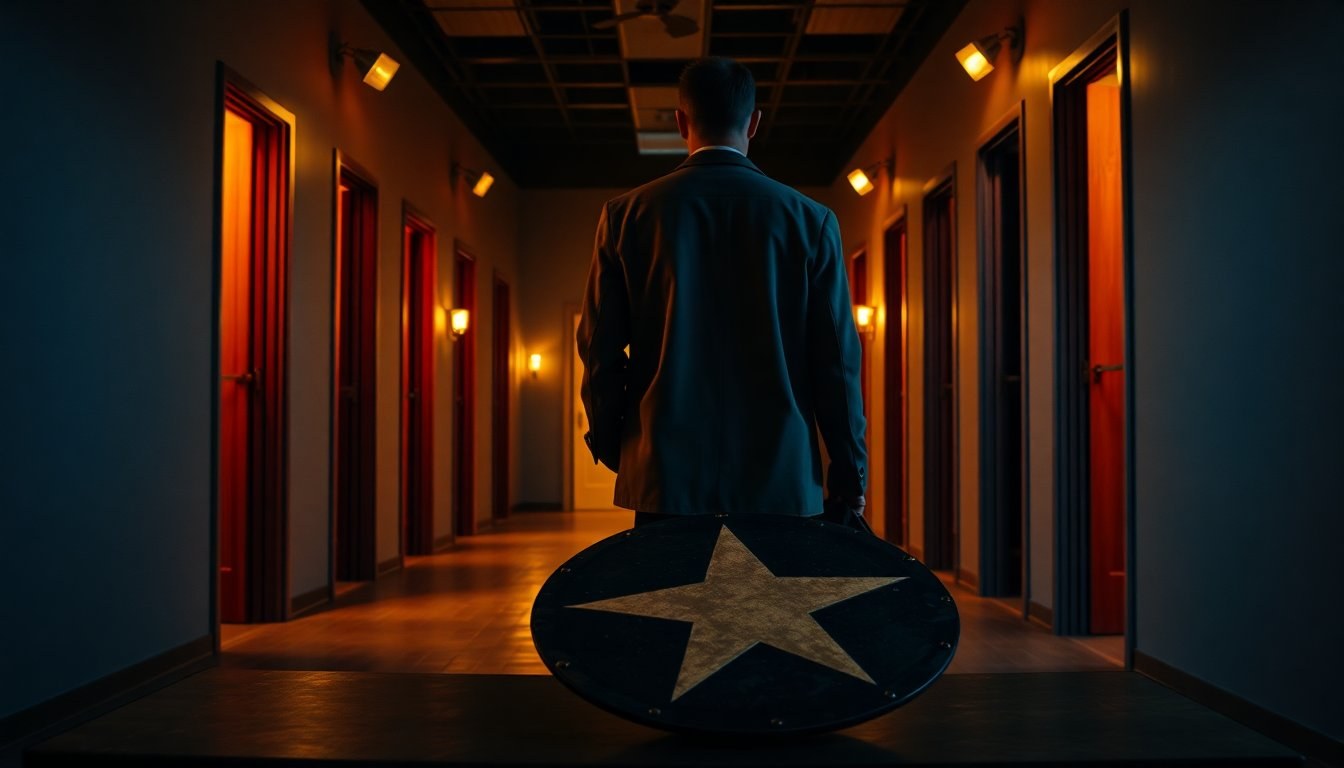
The latest installment of The Boys season 5 adopts a fractured storytelling approach to deliver both satire and emotional blows. Using a sequence of short, focused scenes, the episode foregrounds how the show turns a familiar patriotic archetype into a corrosive figure and pairs that satire with intimate moments for supporting players. The result is an hour that feels less like a single narrative drive and more like a collection of pressure points, each of which reveals something new about the fractured world of Vought and the cultural myths it distorts.
At the center of the episode is Soldier Boy, whose on-screen mythology is built to mirror and mock the iconography of Captain America. The show amplifies that parody visually and narratively: archival-style comic art, public relations spin, and a carefully crafted history that ties the character to real-world political tensions. While the moment-to-moment plots pivot between comedy and violence, the connective tissue is a sustained critique of how a national symbol can be repurposed by propaganda and personal hubris.
Soldier Boy as patriotic pastiche
On display is an intentionally familiar superhero template recast as something alarming. The episode presents a vintage comic within the show that frames Soldier Boy fighting protestors, with a caption that plays on highbrow rhetoric while reading like period propaganda. That in-universe cover borrows visual cues commonly associated with 20th-century American comics—dynamic poses, bold corner boxes, and a font styling that alludes to the era’s giants—yet it reframes the hero as aggressively political rather than unambiguously noble. The creative choice reinforces the series’ argument: symbols like the soldier-hero can be rewritten to justify repression and retrograde actions.
Comic cover as narrative shorthand
The fictional comic functions as more than set dressing; it’s an ideological shorthand. By showing sealed issues and a single close-up, the episode makes a claim about media complicity and the lasting power of imagery. The cover’s depiction of demonstrations and the hero’s reaction ties back to previously revealed incidents in the show’s continuity—allegations of violent policing, campus tragedy, and whisperings about more sinister involvement in national events. That history complicates the parody: he is not just a caricature but a character whose celebrated past may conceal very troubling acts.
Vignette storytelling and its consequences
The episode’s segmented format allows screen time for characters who rarely dominate episodes, turning brief scenes into consequential beats. One vignette centers on a devout supe whose public devotion to a new cult-like figure collides with her private faith and relationships. A second focuses on a masked performer exploring an unexpected passion for theater, only for that arc to be violently cut short by a jealous colleague. Elsewhere, a dog’s point of view offers a muted chorus of the group’s tensions, and a schemer quietly engineers a far darker contingency plan. Together these slices of life accumulate into meaningful shifts in alliance and status.
Key character arcs
Among the most striking developments is the moral unraveling of a character torn between religious conviction and careerist obedience, a tension that ends in a brutal and thematically loaded death. Another thread gives an earnest study in performance and insecurity: an actorly figure finds encouragement in his craft, only to become collateral in someone else’s rage. Meanwhile, scheming figures manipulate trust and loyalty, revealing plans that hint at global-scale violence and the desire to survive at all costs. These intimate beats feel calibrated to reshape the board for the season’s final acts.
How the show diverges from its comic origins and broader comics history
The televised Soldier Boy is a different animal than the one in the original graphic novels, where the title functioned as a satirical device with a different emphasis. The adaptation reframes parentage, dignity, and competence, giving the character more layered motivations and a more complex relationship with the show’s most powerful supe. That shift allows the series to explore a nuanced critique: rather than simply lampooning a national icon, it interrogates the way those icons are manufactured, weaponized, and mythologized across media.
Lineage and political symbolism
Finally, the episode situates its parody within a larger comics tradition that has long used costumed heroes to comment on real politics. From early creators who placed heroes in direct confrontations with authoritarian threats to later storytellers who used the medium to question national leadership, the medium has a long history of political engagement. This episode joins that lineage while twisting it: instead of a figure who embodies democratic ideals, we are shown a version that helps expose the gap between rhetoric and action.
In short, the episode leverages a compact, vignette-driven structure to both satirize a familiar superhero prototype and to realign several character trajectories. Through a blend of dark humor, iconographic mockery, and consequential character moments, the show turns a single decorative comic image into a catalyst for larger revelations, setting the stage for what feels like an escalating confrontation between nationalist imagery and the messy human costs it conceals.


