The early hours of Thursday, July 16, 2026, brought unexpected chaos to West Hollywood as a century-old water main ruptured beneath Sunset Boulevard unleashing a torrent of water that transformed streets into rivers. The Los Angeles Department of Water and Power (LADWP) confirmed the rupture occurred around 2:30 a.m. in a 36-inch steel main installed 110 years ago sending approximately 195,000 gallons of water surging through the neighborhood.
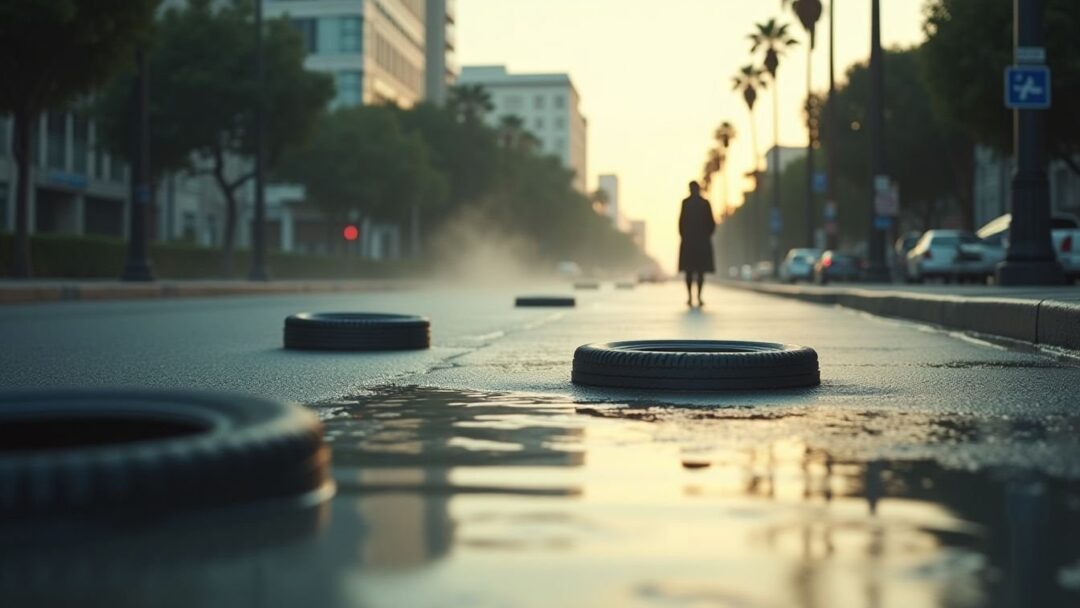
The incident created a 0.7-mile area of flooding, with water depths reaching significant levels. A massive sinkhole opened near the intersection, swallowing parts of the sidewalk and causing two pedestrians to fall in. The force of the water damaged vehicles, flooded properties, and disrupted daily life for residents and businesses alike. As the sun rose, the scene revealed the extent of the damage, with muddy streets and stranded vehicles painting a picture of the overnight chaos.
The aftermath of the rupture
The rupture triggered immediate responses from city officials and emergency services. By 7:30 a.m. local time LADWP crews had shut off the water supply to the ruptured pipe, preventing further flooding. However, the damage was already done, with streets resembling rivers and businesses facing closure to assess the wreckage. The Dialog Cafe a popular spot for influencers, announced it would remain closed indefinitely as it worked to restore the space that had been home to memories for 15 years.
The flooding also impacted the Metro bus yard in West Hollywood, with floodwaters inundating the facility. More than 200 buses were surrounded by water, and crews had to inspect each vehicle before returning them to service. The yard was among the last locations where water levels began to drop, and the agency directed riders to its social media accounts for information about impacted routes and delays.
Infrastructure challenges and future plans
The ruptured pipe was part of the Sunset Trunk Line which was already slated for replacement as part of LADWP’s Water System Capital Improvement Program. The department had budgeted $280 million to replace 6.4 miles of the 36-inch-diameter trunk line, along with a smaller parallel line. However, construction was not expected to begin until 2031 with completion projected for 2035.
Los Angeles Mayor Karen Bass visited the scene and addressed the challenges posed by aging infrastructure. ‘This is one of the challenges when our infrastructure is so old,’ she told reporters. ‘It is my understanding that these pipes are over 100 years old.’ The incident highlighted the vulnerabilities of Southern California’s water infrastructure, with renowned seismologist Lucy Jones warning of potential catastrophic failures during a major earthquake.
Community response and recovery efforts
Residents and businesses in the affected area faced significant cleanup efforts. Some reported flooded garages and submerged vehicles, with estimates suggesting millions of dollars in damage. The West Hollywood Sheriff’s Station implemented hard street closures, including Sunset Boulevard between Larrabee Street and La Cienega Boulevard to allow repair crews and emergency services to work freely.
Local hotels offered special rates to displaced residents, with discounts ranging from 20 percent to 40 percent off. The Ziggy HotelWest Hollywood Edition and London Hotel were among those providing relief to those impacted by the flooding. LADWP set up a daily response center at 1010 Palm Ave to address property damage and claims, operating until 7 p.m. each day.
As West Hollywood begins the long process of recovery, the incident serves as a stark reminder of the critical need for infrastructure upgrades. The rupture of a century-old pipe has left a lasting impact on the community, highlighting the urgent necessity for modernizing aging water systems to prevent future disasters.