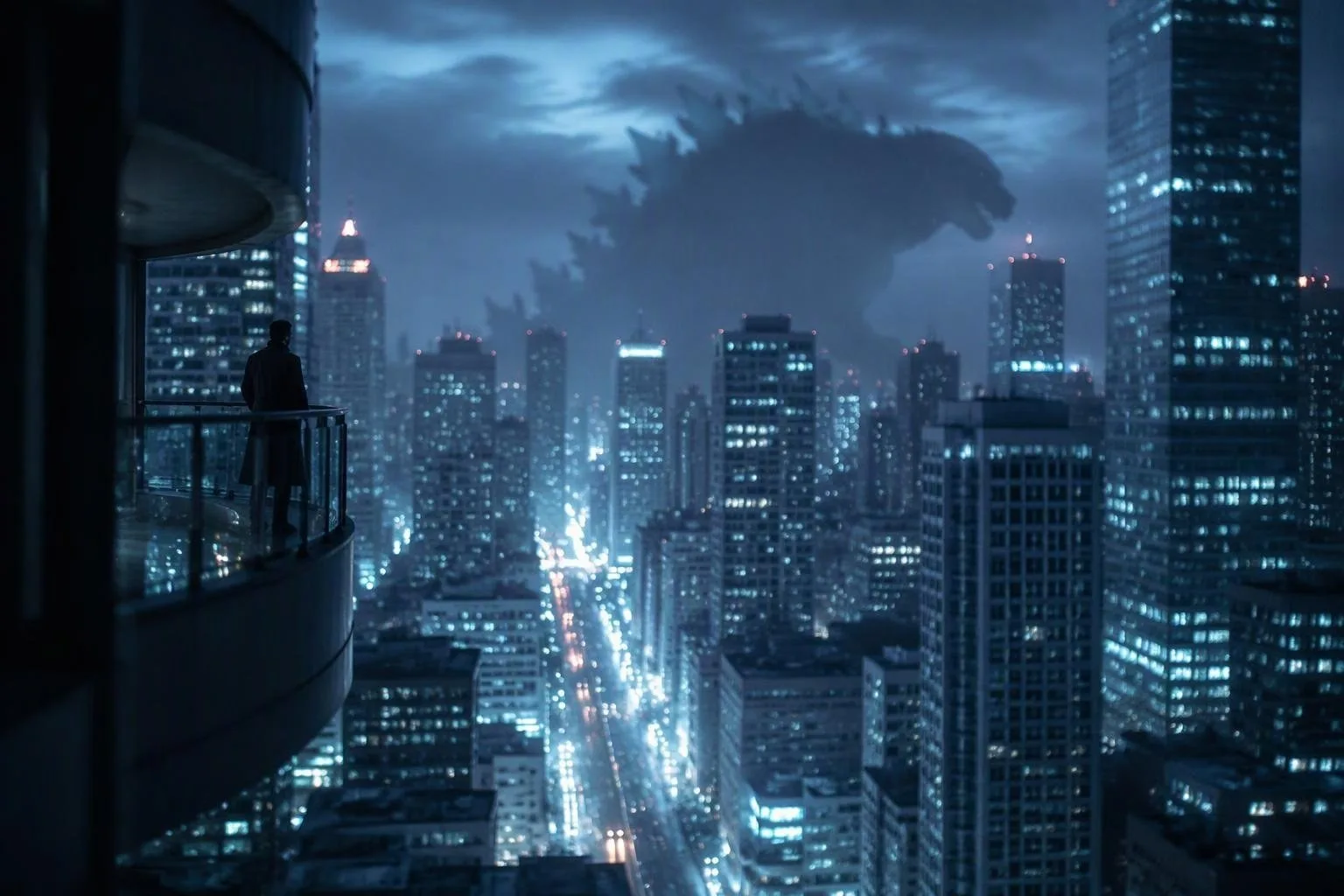
Kaiju movies are a unique and fascinating genre of film that originated in Japan, typically featuring giant monsters and their destructive rampages. The term kaiju literally means ‘strange beast’ in Japanese, and these films often serve as a form of social commentary, addressing issues such as nuclear warfare, environmentalism, and humanity’s relationship with nature. Postwar allegory is a common theme in kaiju cinema, with many films using the monster as a metaphor for the devastating consequences of war and the importance of international cooperation.
The kaiju genre has a rich history, spanning several decades and incorporating various subgenres, such as science fiction and fantasy. One of the most iconic kaiju monsters is Godzilla, a giant lizard-like creature that first appeared in the 1954 film ‘Godzilla’ and has since become a cultural icon. Other notable kaiju monsters include Mothra, King Ghidorah, and Mechagodzilla, each with their own unique characteristics and abilities.
Core themes and eras
Kaiju films often explore complex themes and issues, such as nuclear anxiety and environmental degradation. The Showa era (1954-1989) is particularly notable for its emphasis on social commentary, with films like ‘Godzilla’ and ‘Mothra’ addressing the consequences of nuclear testing and the importance of preserving the natural world. In contrast, the Heisei era (1989-1999) focused more on science fiction elements, with films like ‘Godzilla vs. Biollante’ and ‘Godzilla vs. King Ghidorah’ featuring advanced technology and futuristic settings.
Onboarding watchlist
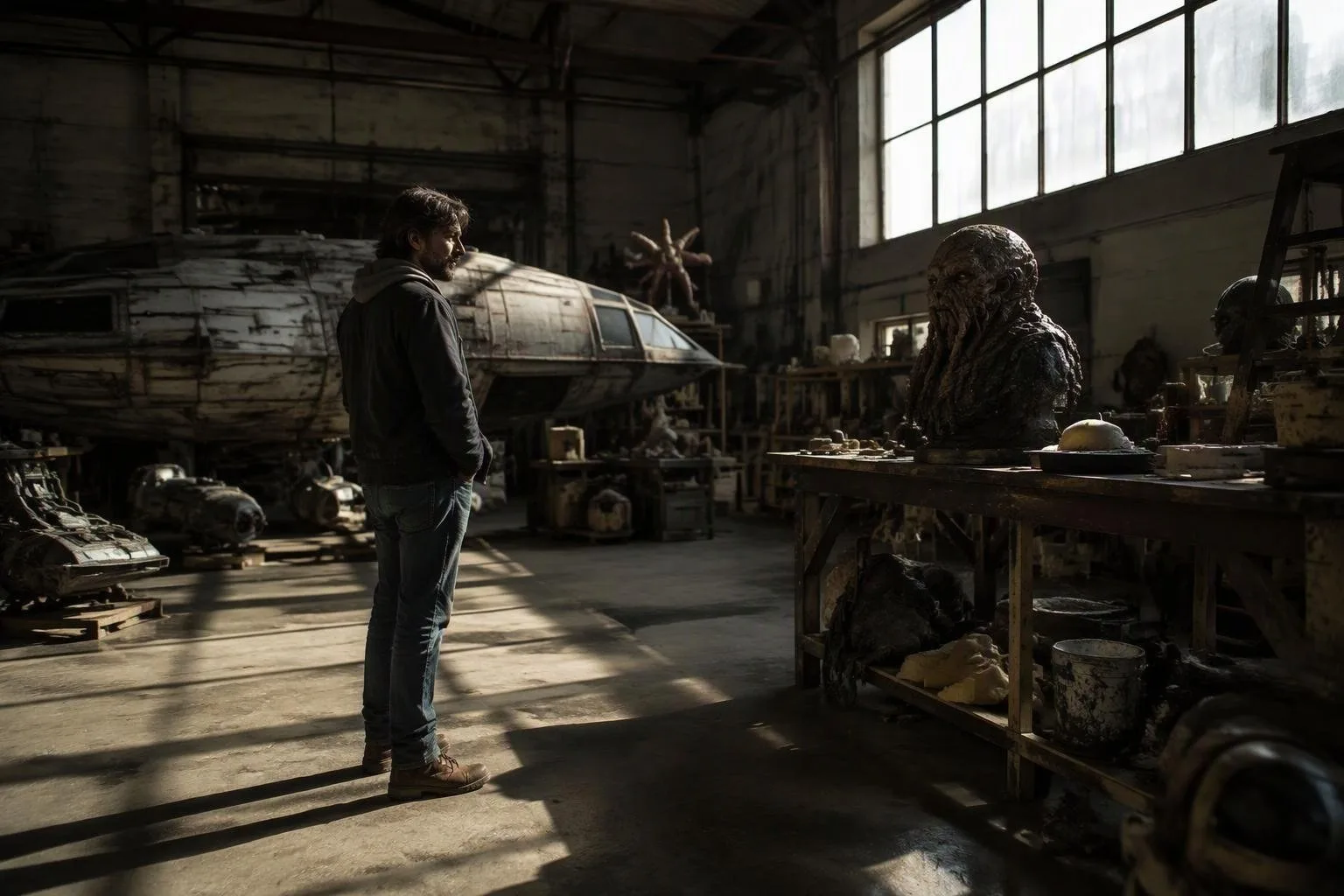
For those new to the kaiju genre, a recommended watchlist might include the following films: ‘Godzilla’ (1954), ‘Mothra’ (1961), ‘King Kong vs. Godzilla’ (1962), ‘Destroy All Monsters’ (1968), and ‘Godzilla vs. Mechagodzilla’ (1974). These films showcase the diversity and creativity of the kaiju genre, with a range of monsters, plotlines, and themes. Suitmation and visual effects are also essential aspects of kaiju cinema, with many films featuring a combination of practical and special effects to bring the monsters to life.
Global influence and modern CGI spectacle
The kaiju genre has had a significant influence on global cinema, with many films and franchises drawing inspiration from Japanese monster movies. The Pacific Rim franchise, for example, features giant monsters and robots in a futuristic setting, while the MonsterVerse franchise has rebooted classic kaiju characters like Godzilla and King Kong for a modern audience. Modern CGI techniques have also enabled the creation of more realistic and detailed monsters, with films like ‘Shin Godzilla’ (2016) and ‘Godzilla: King of the Monsters’ (2019) showcasing the latest advancements in visual effects.
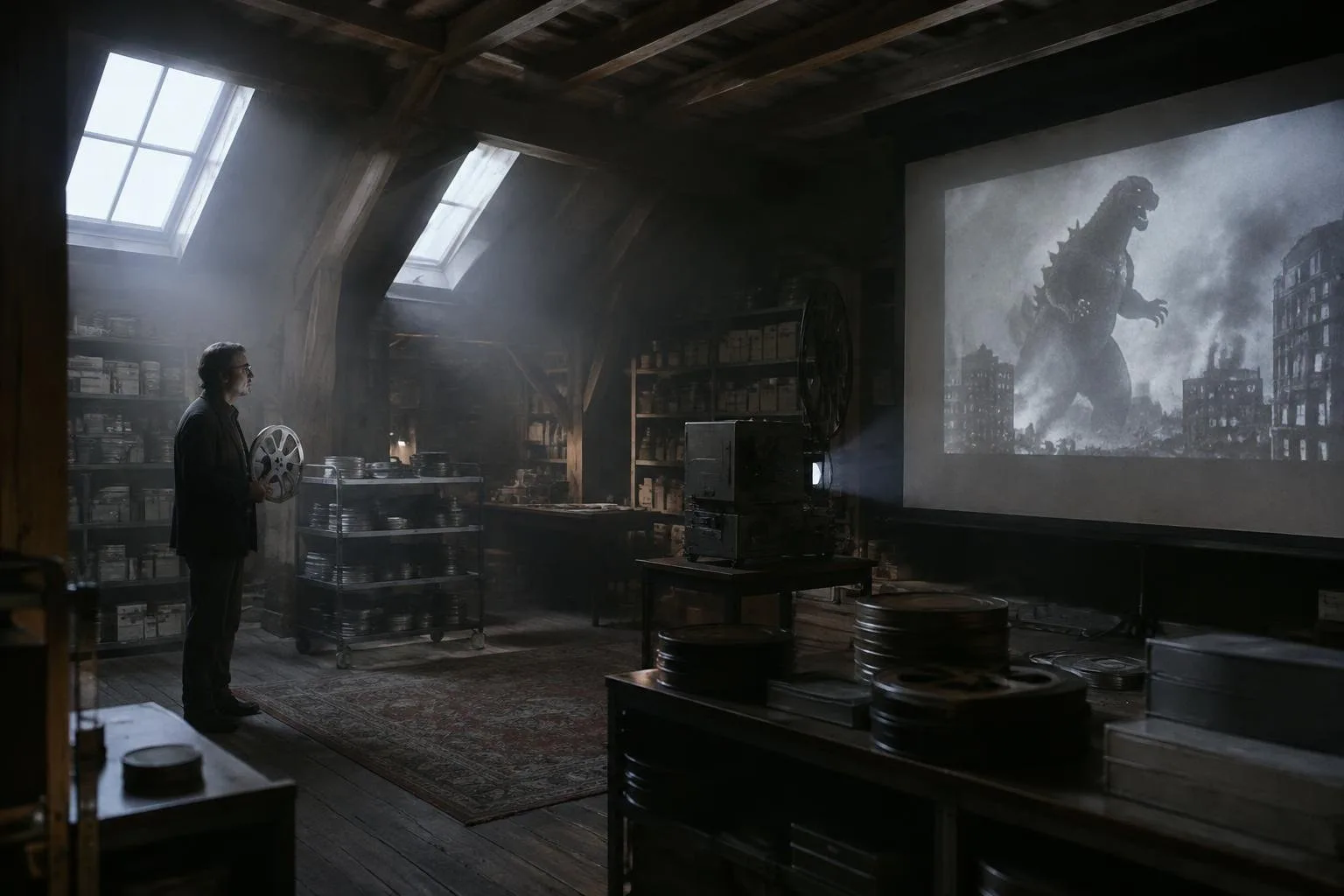
In terms of streaming restorations, many classic kaiju films are now available on platforms like Criterion Channel and Amazon Prime, offering high-quality transfers and restorations of these iconic films. To spot the difference between suitmation and VFX techniques, look for the use of practical effects, such as rubber suits and miniatures, versus computer-generated imagery. By understanding the history and evolution of the kaiju genre, fans can appreciate the artistry and craftsmanship that goes into creating these beloved monster movies.