
Neon acquires U.S. distribution rights for restored documentary
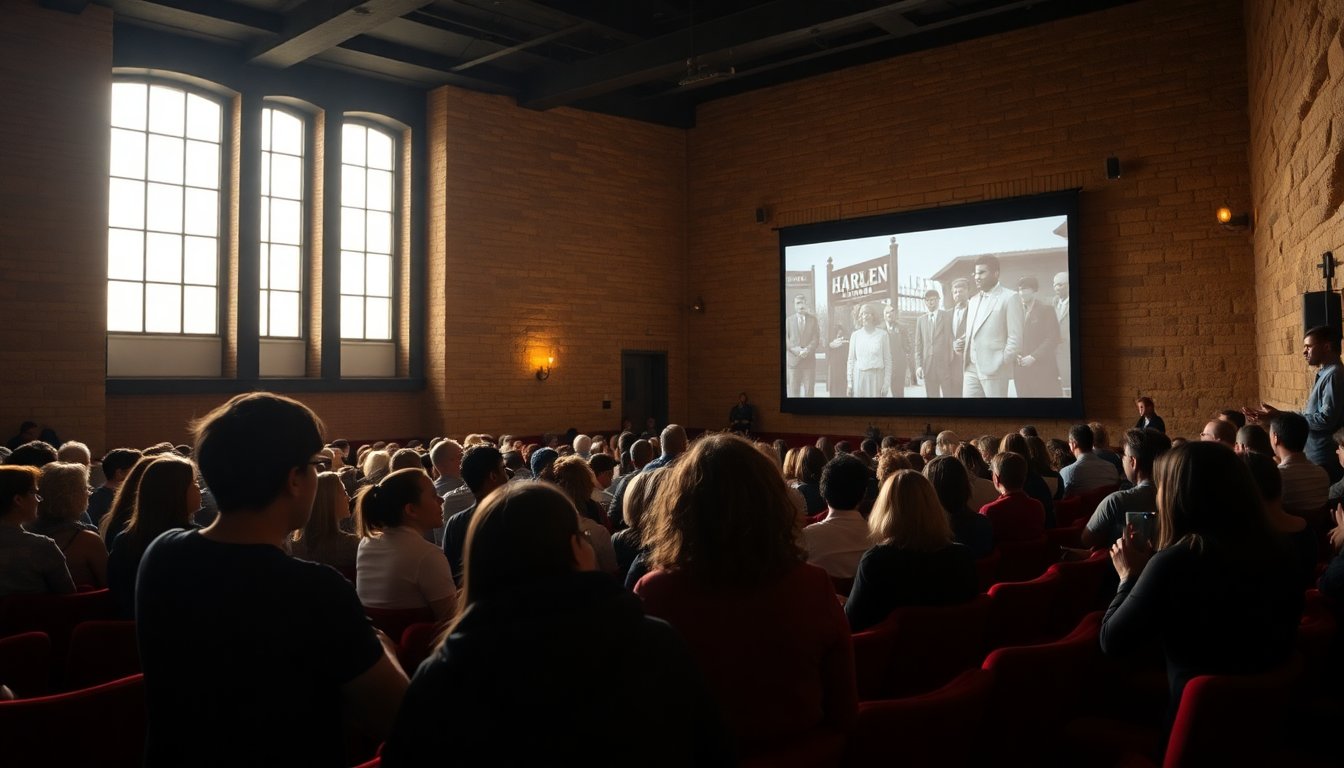
In a significant development for documentary cinema, Neon has secured the U.S. distribution rights for the film Once Upon a Time in Harlem. This remarkable piece was conceived and filmed in 1972 by the late filmmaker William Greaves. The film has undergone restoration and is now directed by his son, David Greaves, highlighting a poignant connection between generations. It recently premiered at the prestigious Sundance Film Festival and is set for theatrical release later this year.
The essence of the Harlem Renaissance
Shot on 16mm film, Once Upon a Time in Harlem captures a significant gathering that took place over fifty years ago. This event, organized by William Greaves, featured key figures of the Harlem Renaissance. During the four-hour reunion, artists and intellectuals engaged in vibrant discussions, shared memories, and reflected on their contributions to a transforming cultural landscape. For many attendees, it was a rare opportunity to reconnect after decades apart, adding to the event’s profound emotional resonance.
Documentary production and restoration
Following the death of William Greaves in 2014, his vision for the film remained unfulfilled. David Greaves undertook the significant challenge of realizing his father’s dream. Utilizing his father’s notes and original workprints, David effectively captured the essence of the original footage, creating a narrative that resonates today. Liani Greaves, David’s daughter, played a pivotal role in the film’s production, serving as the producer. The Greaves family has a long-standing connection to the film industry through their company, William Greaves Productions. This company was co-founded by William’s wife, Louise Archambault Greaves, who was a key creative partner for over five decades.
Preserving a cultural legacy
The restoration of this film has involved a significant collaborative effort. Producer Anne de Mare worked closely with Louise Archambault Greaves to preserve over 60,000 feet of previously unreleased footage filmed by her late husband, William Greaves. This monumental task was managed by Bill Brand, a recognized multi-disciplinary artist and preservationist with a strong background in archival work. Sadly, Louise passed away in, but her commitment to her husband’s legacy ensured that the film would ultimately be completed and shared with the public.
A rich tapestry of voices
The film transcends a mere nostalgic revisit; it actively invites viewers to confront the intricacies of Black cultural identity. The documentary captures lively and often contentious discussions, focusing on historical figures such as Marcus Garvey and W.E.B. Du Bois. Participants articulate varying perspectives on the significance of the Renaissance in today’s society, underscoring the ongoing discourse within the Black community regarding cultural heritage and social responsibility.
Insights from the Greaves family
In interviews surrounding the film, David and Liani Greaves shared their perspectives on their father’s work and the significance of the Renaissance. David underscored the need to recognize the unsung heroes who contributed to the movement, stating, “Without individuals like A. Philip Randolph and Hubert Harrison, the Renaissance would not have flourished.” This sentiment reflects the film’s mission to honor the collective contributions of various figures, both celebrated and overlooked.
As the documentary approaches its public release, it promises to offer an enlightening exploration of a pivotal era in American history. The film seeks to inspire contemplation and discussion, encouraging audiences to reflect on how the legacy of the Harlem Renaissance continues to influence contemporary cultural narratives.
With a blend of archival footage and personal stories, Once Upon a Time in Harlem aims to be more than just a film; it seeks to serve as a cultural event that revives and celebrates a pivotal chapter in history. This documentary intertwines historical context with personal narratives, offering a comprehensive look at the Harlem Renaissance’s enduring impact on art and culture today.