Movie enthusiasts are constantly seeking ways to enhance their home viewing experience. One crucial aspect of achieving a cinema-true image is selecting the right panel technology. Two popular options are OLED and Mini-LED. Understanding the differences between these technologies is essential for making an informed decision.
When it comes to color accuracy and contrast ratio, OLED panels generally have an edge. Each pixel in an OLED panel can be turned on and off independently, resulting in true blacks and a more immersive viewing experience. On the other hand, Mini-LED panels use a backlight and can suffer from blooming effects, although they have improved significantly in recent years.
Calibration for SDR/HDR
To get the most out of either technology, proper calibration is key. For SDR (Standard Dynamic Range) content, adjusting the color temperature and gamma settings can significantly impact the image quality. For HDR (High Dynamic Range) content, ensuring the TV is set to the correct HDR mode (such as HDR10 or Dolby Vision) is crucial for experiencing the full range of colors and contrasts intended by the filmmakers.
Motion and Color Accuracy
Motion handling is another critical aspect, especially for fast-paced films. OLED panels tend to have better motion handling due to their faster pixel response time. However, Mini-LED TVs have made strides in this area with the implementation of higher refresh rates and motion interpolation technologies. For color accuracy, both technologies can produce vibrant and lifelike colors, but OLED is often praised for its ability to display a wider range of colors, especially in HDR content.
Room Lighting Setup and Seating Distance
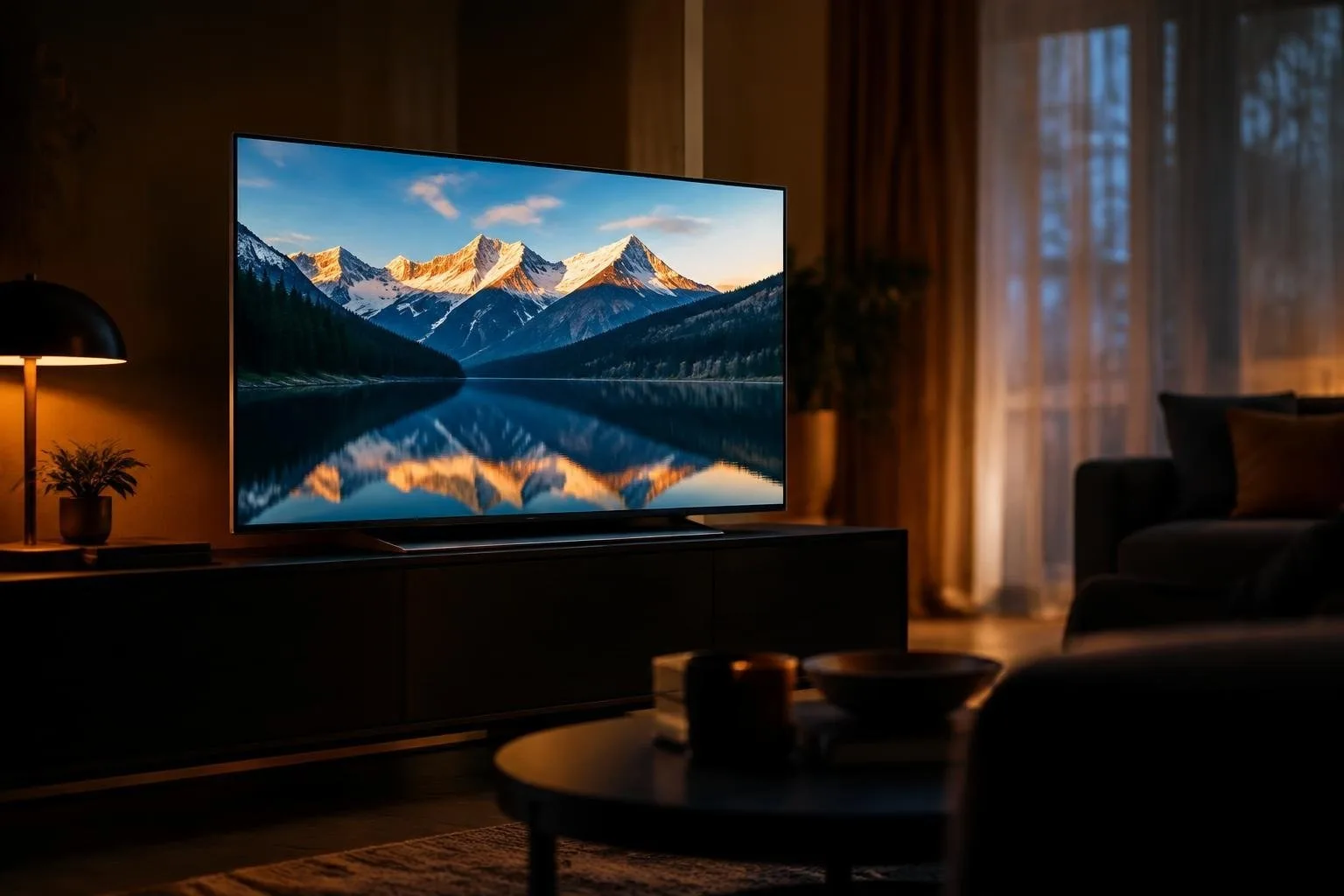
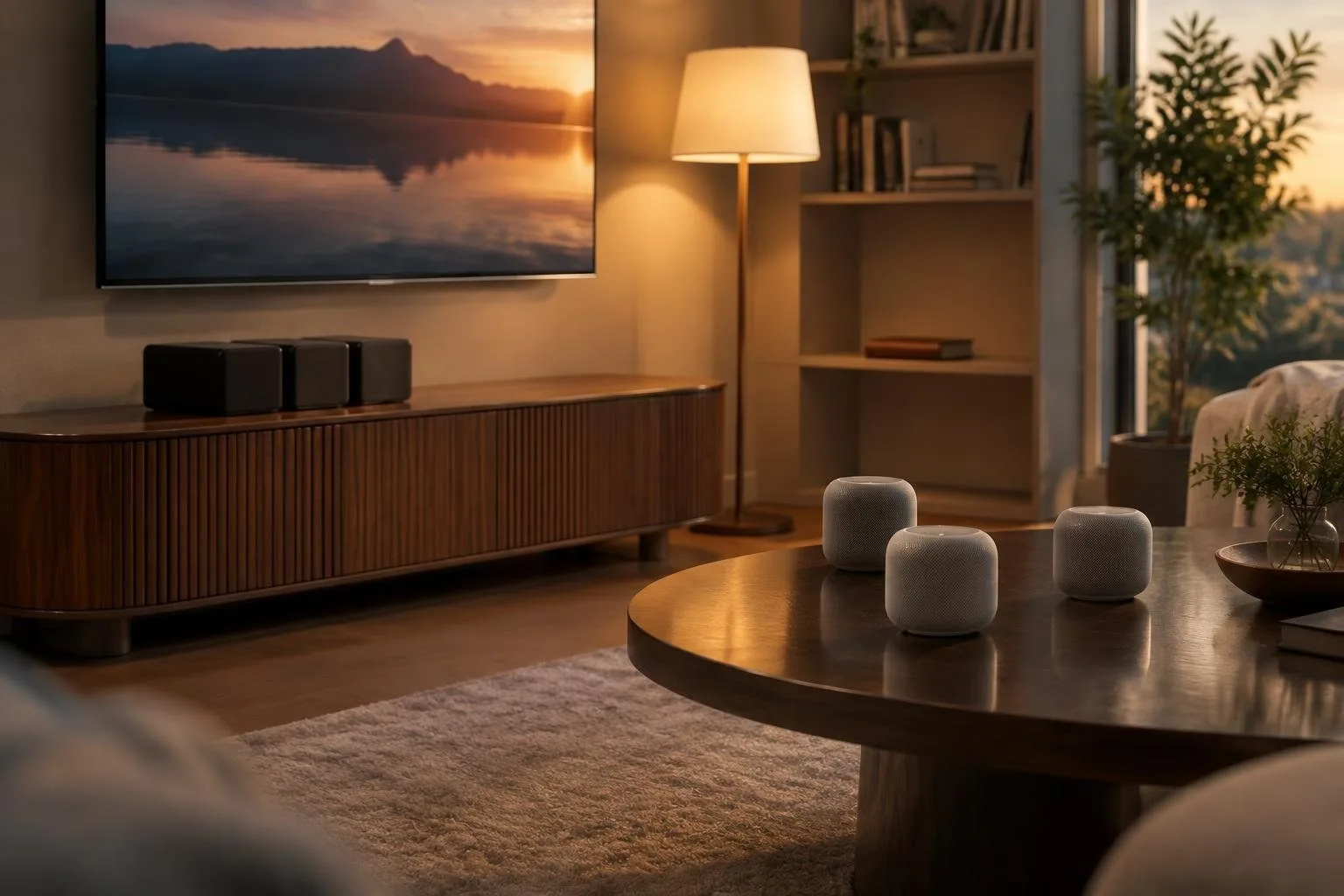
The viewing environment also plays a significant role in the overall cinematic experience. A darkened room is ideal for both OLED and Mini-LED TVs to minimize reflections and enhance contrast. The seating distance from the screen should be considered to avoid noticing pixelation or other artifacts. Generally, a distance of about 1.5 to 2.5 times the diagonal screen size is recommended for an immersive experience without distracting image imperfections.
Filmmaker Mode Settings
Many modern TVs come with a Filmmaker Mode that adjusts settings to match the creator’s intent. This mode typically turns off motion interpolation and adjusts color settings to more accurately reflect the original filming conditions. Enabling Filmmaker Mode can significantly enhance the viewing experience, especially for movies, by providing a more authentic representation of the director’s vision.
Ultimately, the choice between OLED and Mini-LED for movie lovers depends on several factors, including budget, viewing habits, and personal preference regarding picture quality. By understanding the strengths and weaknesses of each technology and properly calibrating the TV, viewers can enjoy a cinema-true image in the comfort of their own homes.