
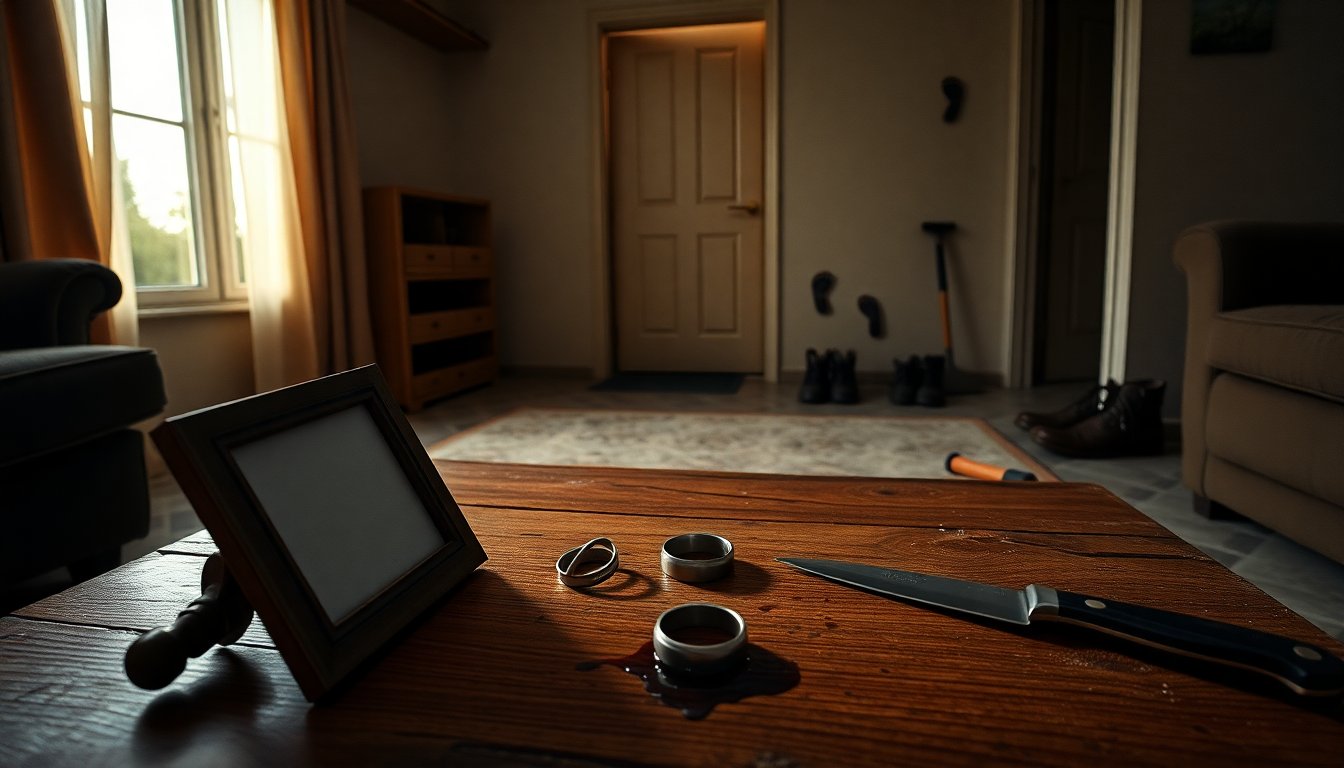
The new film Over Your Dead Body aims to blend marriage turmoil with bloody set pieces, but more often than not its dark impulses trump any attempt at humor. At first glance the premise is simple: a separated couple, both plotting extreme revenge, finds their private vendetta interrupted by escaped convicts who transform their quarrel into an all-out survival situation. The movie premiered at SXSW 2026 and is scheduled to open with Independent Film Company on April 24, but the festival buzz highlighted how the film’s ambitions collide with its execution.
For viewers who expect a sharp black comedy, the movie’s persistent nastiness becomes a problem. The director, Jorma Taccone, is best known for work with The Lonely Island and prior comedies that relied on a breezy, often affectionate absurdity. Here, though, the balance is off: the film leans into cruelty and graphic moments that rarely function as the kind of ironic surprise that makes violent comedy land. The result is a tone that feels calibrated toward shock rather than wit.
How tone undermines the jokes
The most effective dark comedies work because their tonal calibration allows sudden violence to feel startling and funny, as when a scene breaks audience expectations with an absurd reversal. In contrast, Over Your Dead Body stacks unpleasant beats in a way that numbs rather than amuses. Scenes intended to be outrageous—such as an early moment featuring a bag of fingers—wear out their novelty quickly because the film offers no ironic distance or clever framing. Rather than a nuanced conversation about cruelty or revenge, the movie repeatedly opts for escalating sadism, and that escalation makes the comedy feel accidental instead of intentional.
Performances and character dynamics
At the center are Lisa and Dan, played by Samara Weaving and Jason Segel. Their relationship is the engine of the plot, but the film never convinces us that these two were ever well matched. Weaving, who has a reputation for genre work and often appears covered in blood, leans into a theatrical bitterness that sells her anger but not the emotional history behind it. Segel’s performance plays a different register—more withdrawn and almost blasé—which contributes to a lack of spark between them. The film does, however, find a groove when the couple stops pretending and engages in a venomous, comic exchange; those scenes let each actor’s strengths surface and briefly justify the premise.
Invading forces and moral ambiguity
Midway through, the narrative brings in a trio of fugitives who complicate what could have been a tight domestic black comedy. A suave escapee played by Timothy Olyphant, a deluded former guard played by Juliette Lewis, and a brutal enforcer played by Keith Jardine burst into the couple’s life, shifting the film from interpersonal nastiness toward a more conventional thriller of violence and survival. Shot in Finland as a stand-in for upstate New York, the movie creates a cold, claustrophobic backdrop, yet it never gives the audience a clear moral center to root for. That pervasive ambiguity can work in some films; here it mostly leaves viewers emotionally untethered.
Specific scene that derails the film
An especially troubling sequence attempts what could be read as a dark riff on classics like Deliverance, but in practice it reads as a misjudged joke about sexual violence. This moment, intended to land as provocative interplay of menace and gallows humor, instead feels gratuitous and poorly calibrated. When a film uses sexual assault for shock without clear artistic framing or narrative necessity, the effect is alienating rather than insightful. Taccone’s background in broad comedy doesn’t equip him to negotiate the abrupt shift into sadism that this scene requires, and the misstep lingers over the rest of the runtime.
Adaptation and directorial limits
The screenplay is adapted from a Norwegian original by Tommy Wirkola, a filmmaker familiar with mixing genre tones. Adapting that material for an audience expecting both laughs and brutality requires a director who can pivot seamlessly between the two. While Taccone stages several set pieces effectively and the film benefits from solid technical work—notably the stunts and a handful of convincing prosthetic makeup effects—those professional elements underscore rather than rescue the film’s lack of emotional clarity. The craft is visible, but the sensibility feels mismatched to the source material’s darker impulses.
Final verdict
In the end, Over Your Dead Body delivers on visceral spectacle more than on sharp satire. There are moments of genuine comic friction and some impressively choreographed violence, yet the prevailing tone is mean in a way that doesn’t provoke laughter. What remains is a cynical denouement that recycles familiar despair rather than offering fresh commentary on relationships or filmmaking. Technically competent but emotionally cold, the film earns a tentative grade C—a project with sparks of skill that never cohere into something satisfying.