The Doha film festival is positioning the Gulf capital as a nexus for international cinema. Since its inception under the Ajyal banner in 2013, the festival has been shepherded by the Doha Film Institute, which was founded in 2010 to nurture local creators and attract independent world cinema. Recent months have seen the Institute’s Film Committee, established in 2022 within Media City Qatar, accelerate the region’s connection to mainstream production houses.
Industry Days: From a 50% rebate to a star-studded second edition
The inaugural Industry Days in 2025 introduced a generous 50% cash rebate for film and TV projects, a move that immediately caught the attention of global studios. That year’s programme highlighted a Barbara Broccoli-produced adaptation of Othello, starring David Oyelowo and Cynthia Erivo, and secured partnerships with Neon, Company 3, Miramax, Department M and Sony. Hassan Al-Thawadi, who previously oversaw the Qatar World Cup, described the response as “very encouraging” and emphasized that the feedback confirmed the viability of the proposed ecosystem.
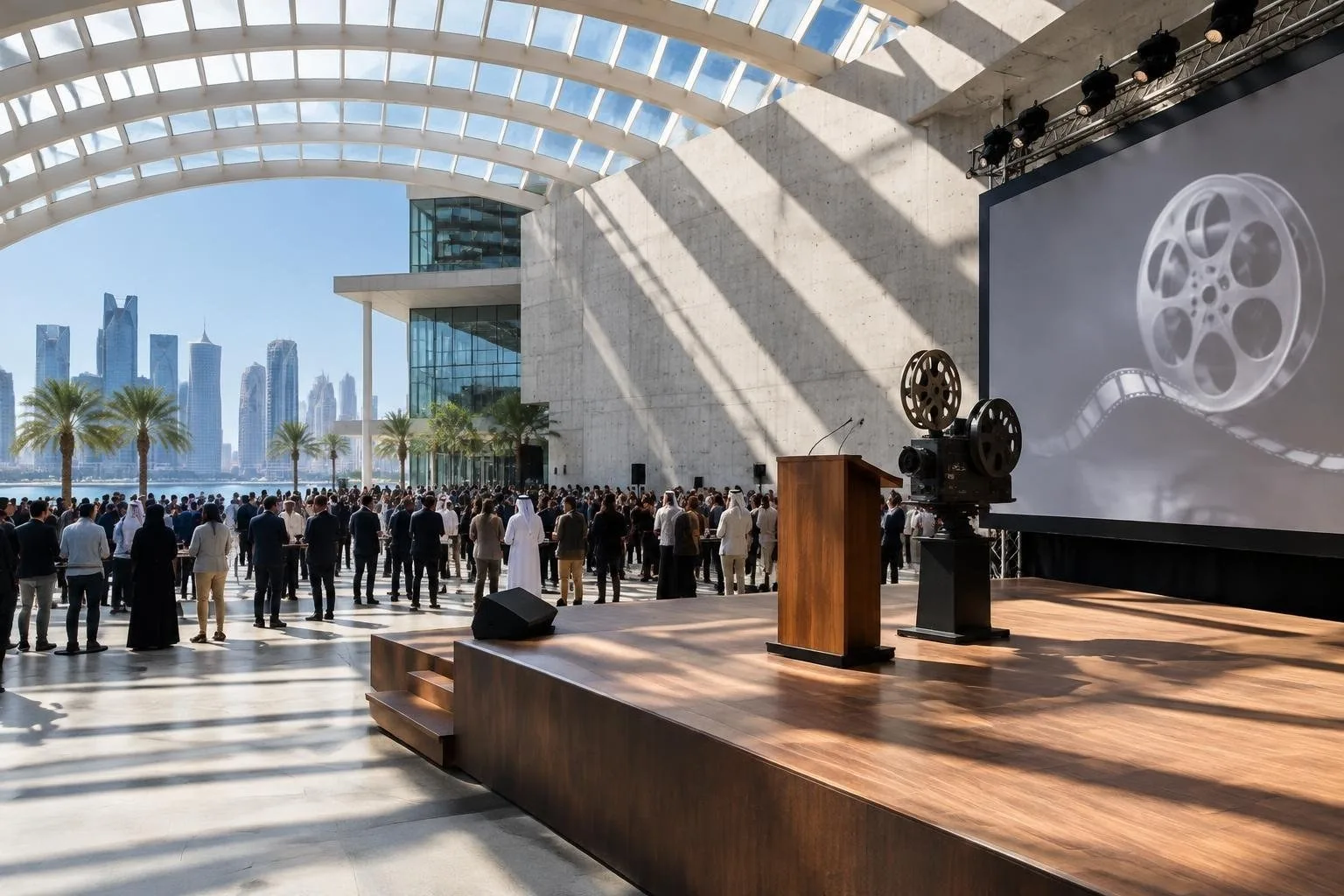
Six months later, the second three-day edition of Industry Days launched on a Thursday with a roster that reads like a who’s-who of contemporary cinema. “Squid Game” creator Hwang Dong-hyuk will discuss the series’ global impact, while acclaimed director Joe Russo joins a panel on Gulf-based production opportunities. French actor Omar Sy, known for Lupin, will speak about actors establishing their own studios alongside partner Thomas Benski. Regional voices such as filmmaker Ameer Fakher Eldin, Syrian star Taim Hasan and journalist Ammar Taqi will explore the challenges of translating real lives onto the screen. The agenda also includes a focus on Indonesia’s emergence as “Asia’s Next Screen Powerhouse” and a behind-the-scenes exhibition featuring the making of Jurassic Park and Forrest Gump.
Local productions take center stage
The festival’s Made in Qatar segment showcases the growing grassroots film culture. Four Qatari-produced features will world-premiere: Jodari Meno by Jamal Al Khanji, a heart-surgeon-turned-spearfisherman documenting his pursuit of a record-breaking dogtooth tuna; A Very Ordinary Life by Muhammed Deniz, a cross-cultural drama linking a retired Qatari pilot with a Moroccan art teacher; First to Fly by Rodrigo Vazquez Salessi, following two young gymnasts as they aim to become Qatar’s first representatives at the Rhythmic Gymnastics World Championships; and When the News Breaks You by Hamad Al Hajri, a documentary on the perils faced by journalists in the Middle East. Both Al Khanji and Al Hajri benefitted from the Institute’s long-term support and the annual Qumra talent incubator, which helped refine their narratives and sharpen their storytelling techniques.
Al Khanji recalls a pivotal moment in a Qumra workshop: “Someone said the underwater footage is beautiful, but you need to talk more about you.” That feedback shifted the film from a pure adventure piece to a personal meditation on family and identity, illustrating how the Institute’s mentorship can transform a project’s direction.
Strategic partnerships reinforce Qatar’s cultural ambition
The 2026 edition of the festival, scheduled for 19-27 November, announced an extensive partnership network. Media City Qatar’s Film Committee will serve as a strategic partner, while Katara assumes the role of cultural partner and Visit Qatar the principal partner. Additional collaborators include Hamad International Airport (official airport partner), Rosewood Doha (official hotel partner), BYD Al Mannai (mobility partner), Qatar Museums, the Museum of Islamic Art, Qatar Creates, and VOX Cinemas. Broadcast and digital reach are amplified through Al Araby 2, Deadline, Variety, Al Jazeera, and beIN’s TOD platform, among others. Fatma Hassan Alremaihi, CEO of the Doha Film Institute, framed the festival as “a powerful expression of Qatar’s ambition to be a global hub for culture, creativity and storytelling,” emphasizing that these alliances broaden the festival’s impact and solidify Qatar’s standing on the world stage.
Geopolitical turbulence that erupted at the end of February (when the United States and Israel launched a campaign against Iran, leading to retaliatory strikes on Gulf neighbours) temporarily disrupted regional activity. Nine months later, hostilities have eased, Qatar continues to mediate peace talks, and the festival proceeds without compromise. Al-Thawadi stresses that despite the “difficult period,” the core objectives remain unchanged: attract international productions, develop Arab talent, and project regional stories to global audiences.