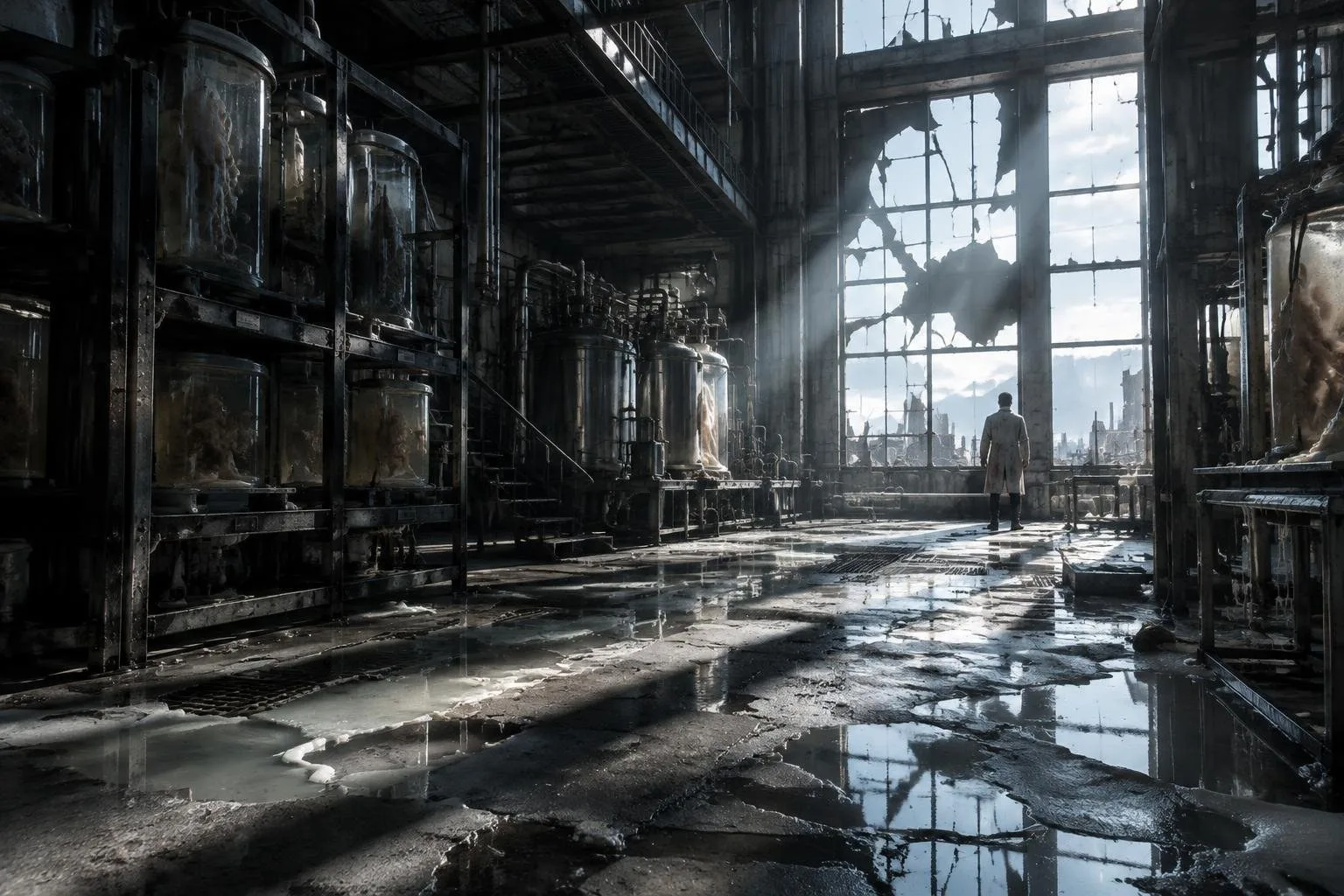
Capcom’s resident evil 3 has spent years circulating between consoles, and its arrival on the Nintendo Switch finally lets portable fans experience the classic Raccoon City nightmare. At the same time, director Zach Cregger brings a fresh cinematic interpretation with Resident Evil (2026), aiming to recapture the series’ core survival horror sensibility. Both projects share a common goal—reviving the fear-laden atmosphere of the original games—but they arrive with very different toolkits and, consequently, very different results.
What the Switch version gets right
From a technical standpoint, the Resident Evil 3 Switch port feels polished. Capcom leverages the RE Engine to deliver crisp textures and fluid animations, all while respecting the hardware’s battery limits. Gameplay mechanics have been refined compared to the 1999 predecessor: Jill Valentine now benefits from a dedicated dodge roll that triggers a brief “bullet-time” slowdown, allowing players to weave through swarms of infected civilians and the relentless Nemesis. The addition of an unbreakable combat knife encourages strategic ammunition conservation, a design decision that mirrors the scarcity theme central to early titles.
Enemy diversity receives a noticeable boost. Classic foes such as aggressive dogs and echoing Lickers return, but new threats—like the tentacled Parasite Zombies and the towering Hunter Beta—force players to adapt on the fly. The latter’s armor plating and one-hit claw swipe reintroduce the panic that made the original 1996 encounter unforgettable. These design choices preserve the series’ reputation for high-tension encounters while offering fresh challenges for veteran players.
Where the remake falls short
Despite solid mechanics, the Switch edition suffers from content truncation. The original game’s sprawling puzzles have been reduced to just two, one of which can be solved through trial-and-error rather than thoughtful exploration. Long-time fans miss the satisfying sense of discovery that came from hunting lockers and decoding safe combinations—a hallmark of the Resident Evil 2 remake. Additionally, the iconic limb-targeting system, which let players cripple zombies by shooting their arms or legs, is absent. While the linear level design explains the removal to an extent, the loss reduces tactical depth and makes combat feel more blunt.
Storywise, the remake trims several narrative beats that fleshed out Jill’s motivations and Umbrella’s machinations. The omission of side quests and character moments shortens the emotional arc, leaving players with a more surface-level understanding of why Jill is chasing the Nemesis. In short, the Switch version delivers a technically competent experience but sacrifices the richness that made the original a cult classic.
The 2026 film: A stripped-back survival horror
Zach Cregger’s Resident Evil (2026) deliberately shuns the over-the-top action sequences that plagued earlier adaptations. Instead, the film follows Bryan Hodukavich, an ordinary medical courier whose night shifts turn into a fight for survival after a roadside accident introduces him to the infected world of Raccoon City. By centering the story on a relatable, non-military protagonist, the film amplifies the sense of vulnerability—a core tenet of the survival horror genre.
The narrative progresses through a series of escalating encounters, each exposing a different facet of the outbreak. Cregger resists heavy exposition, allowing the mystery of Umbrella’s bioweapon experiments to unfold organically via environmental clues and brief dialogue. This restraint mirrors the game’s approach to storytelling, where environmental storytelling often carries more weight than cutscenes. The pacing remains tight, with a 94-minute runtime that rarely lulls, keeping the audience in a constant state of alert.
Visually, the movie blends practical creature effects with subtle CGI, delivering grotesque monsters that feel grounded in the game’s aesthetic. The infected’s design draws directly from classic Resident Evil lore, while new variations—such as a hulking, parasite-driven zombie—provide fresh shocks. Lead actor Austin Abrams captures Bryan’s escalating dread with convincing nuance, delivering a performance that feels more like an earnest survivor than a stylized action hero. Supporting players add texture, though a few could have benefited from deeper development.
Overall, the 2026 adaptation succeeds where many of its predecessors faltered: it respects the source material’s emphasis on tension, scarcity, and dread. By forgoing gratuitous set-pieces, Cregger restores a cinematic experience that feels like a playable Resident Evil level, making it one of the strongest video-game-to-film translations in recent memory.
Comparative takeaways
Both the Switch remake and the 2026 film illustrate how the Resident Evil franchise thrives when its creators prioritize atmosphere over spectacle. The game’s revised combat system and varied monster roster showcase Capcom’s ability to modernize classic mechanics, yet the trimmed narrative content reminds us that depth cannot be sacrificed for convenience. Conversely, Cregger’s film demonstrates that stripping back narrative excess and focusing on a single, relatable protagonist can revive the series’ horror roots on the big screen. Fans seeking a faithful, pulse-pounding experience will find worthwhile moments in both, but they should temper expectations regarding content breadth in the Switch version and character depth in the movie.