
The film Rosebush Pruning, directed by Karim Aïnouz, sets out to dismantle a decadent, isolated clan while dressing its critique in sharp, often shocking imagery. Premiering at Berlinale 2026, the movie adapts themes from Marco Bellocchio’s classic into a contemporary tableau of excess, patriarchy and familial rot. With a script by Efthimis Filippou, whose past collaborations shape expectations, the project arrives with a roster of high‑profile actors and a clear appetite for provocation.
As a piece of cinema, the film oscillates between arresting visual choices and a narrative that sometimes feels overly preoccupied with outrage for its own sake. The result is a work that will intrigue viewers drawn to *transgressive satire*, while frustrating those who expect richer emotional footholds or sharper tonal control.
Setting, premise and intentions
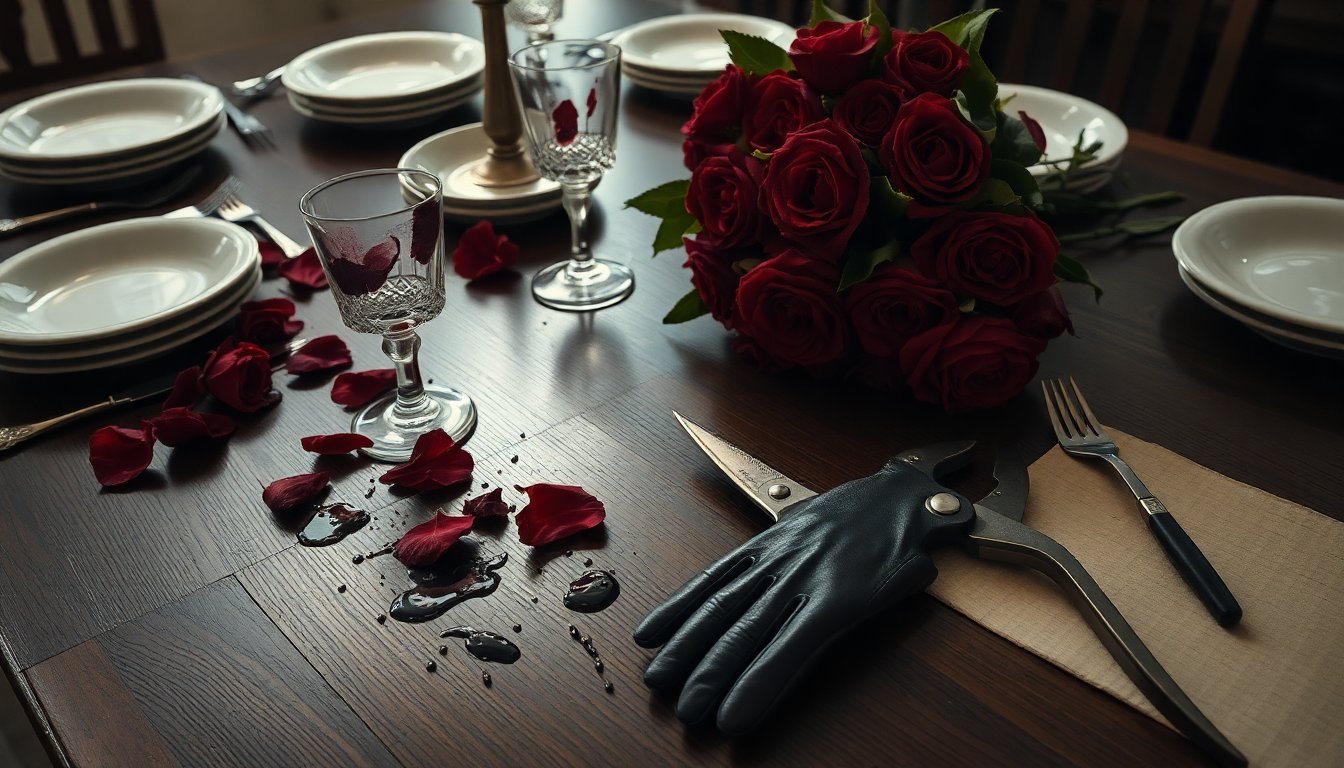
Aïnouz relocates the story to a Mediterranean villa where an affluent American family luxuriates in etiquette and cruelty. The patriarch—a blind, commanding figure—rules over his adult children with a mixture of charm and menace; their interactions are steeped in gossip about designer labels, careless snipes at staff and a taste for dangerous games. The film’s central conceit, voiced in one of the script’s metaphors, is that people are roses and families are rosebushes that require pruning. This image underpins the director’s exploration of how privilege ossifies relationships and nurtures toxic patterns.
Working from Filippou’s script, Aïnouz aims to blend satire with black comedy, using the absurd to expose systems of power. Inspirations acknowledged by the director range from Bellocchio’s original to other provocative auteurs; the intention is to make audiences laugh and recoil in equal measure, while pointing a cinematic scalpel at elite insularity.
Performances and character dynamics
The cast is one of the film’s most compelling features: a mix of established performers and risk‑taking younger actors who willingly enter the story’s grotesque set pieces. The patriarch is embodied with a steady menace that anchors several of the film’s most unsettling moments, while the siblings—each marked by neuroses and perverse longings—populate a household rife with bad taste and dangerous flirtations. Their interactions generate the movie’s primary tensions, though the ensemble does not always cohere into a convincing emotional ecosystem.
Standout turns and misfires
Certain performances radiate a raw magnetism that the film’s provocations rely on: an electric presence in the role of an impulsive, flirtatious daughter; a compelling oddness in a brother who narrates parts of the story and steers the audience’s gaze. Conversely, the character presented as the most humane—meant to function as a moral bridge to the outside world—is occasionally underwritten, weakening the hoped‑for counterbalance to the family’s depravity. Where the actors succeed, their choices amplify the film’s risk; where they falter, the script’s extremes risk feeling performative rather than revelatory.
Style, tone and thematic reach
Aïnouz embraces bold visual design and a brisk runtime, never allowing the film to linger. Scenes alternate between glossy tableau and shock‑value moments crafted to test audience limits. The director’s use of absurdity aims to make the critique of wealth more palatable, turning confrontation into a kind of dark comedy. Yet the strategy produces uneven results: while some sequences achieve a memorable, almost Brechtian distance, others simply pile on grotesquerie without building clear moral stakes.
At its best, the film suggests how extreme privilege breeds isolation and cruelty, implying that severing those ties can be cathartic if messy. At its weakest, it flirts with style over substance: provocative incidents are presented as ends in themselves rather than instruments of sustained satire. Comparisons to recent works that lampoon the wealthy will be inevitable, but this picture aims for a hybrid of camp and social indictment that lands inconsistently.
Those who appreciate daring, visually driven cinema and relish confrontational themes may find much to admire in Aïnouz’s audacity and the cast’s commitment. Audiences seeking a razor‑sharp satirical core or deeper character empathy may leave wishing the film spent more time cultivating nuance. The movie’s brisk pacing, however, helps it avoid indulgence; its provocative energy ensures it will be talked about even when its arguments feel diffuse.
In short, the film is a striking exercise in style and transgression that sometimes sacrifices clarity for spectacle. It is worth seeing for its performances and its willingness to aim high, even if the final cut falls short of the scalding satire it aspires to be.