
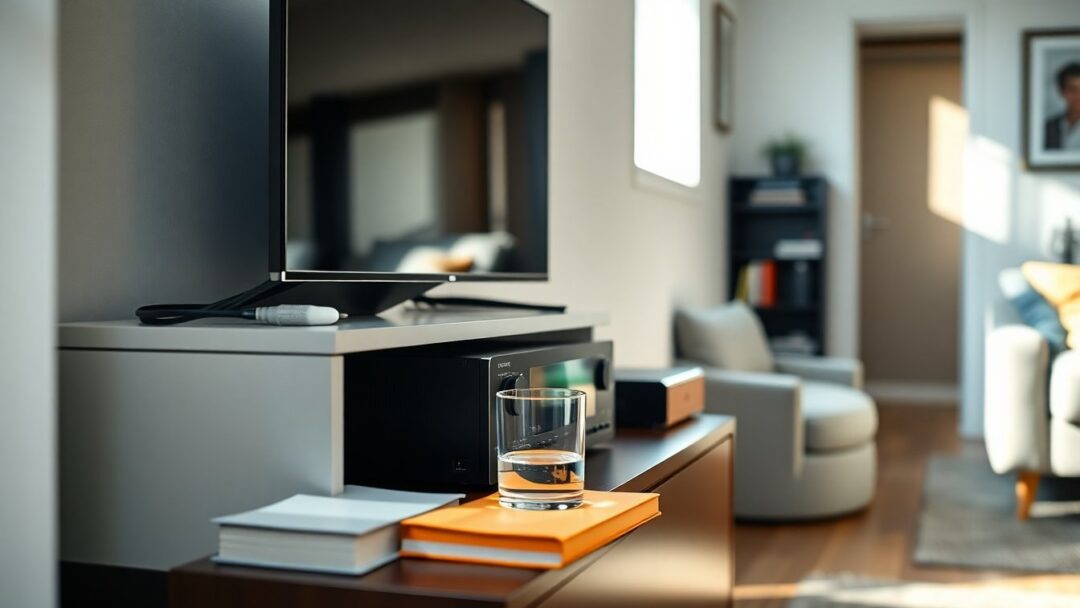
A home theater system is a great way to enhance your entertainment experience, but selecting the right avr can be overwhelming, especially for small spaces. Generally, a compact avr is the best option for apartments, as it provides a balance between performance and size. In most cases, a compact avr with a limited number of channels is sufficient for small rooms.
When selecting a compact avr it’s essential to consider the channel count. Typically, a 3.1 or 5.1 channel system is ideal for small spaces, as it provides a surround sound experience without taking up too much space. Additionally, hdmi 2.1 features are crucial for ensuring compatibility with the latest devices. In particular, hdr and dolby vision support are must-haves for an immersive viewing experience.
Room Correction Performance
Room correction performance is another critical factor to consider when selecting a compact avr. Room calibration is essential to ensure that the sound is optimized for the specific room. Generally, a compact avr with built-in room correction features, such as audyssey or mcacc can help to improve the Typically, these features use a microphone to measure the room’s acoustic properties and adjust the sound accordingly.
Speaker Layout Tips
When setting up a home theater system in a small space, it’s essential to consider the speaker layout. Generally, a 3.1 or 5.1 channel system is ideal, with the subwoofer placed in a corner to enhance the bass response. Additionally, the surround speakers should be placed at ear level, angled towards the listening position. In most cases, a 5.1.2 channel system with dolby atmos or dts:x support can provide an immersive audio experience, but it may require more space and equipment.
Airflow and Cable Management
In small spaces, airflow and cable management are crucial to ensure that the equipment runs smoothly and efficiently. Generally, it’s essential to keep the avr and other equipment well-ventilated to prevent overheating. Typically, this can be achieved by placing the equipment in a well-ventilated area or using a fan to improve airflow. Additionally, cable management is essential to keep the space organized and clutter-free. In most cases, using cable ties or cable organizers can help to keep the cables tidy and prevent damage.


