
Taylor Tomlinson’s new Netflix special, Prodigal Daughter, marks a clear shift in tone. Where earlier sets could be brisk and biting, this hour leans toward warmth and reflection—especially when it turns to faith. The jokes are still sharp, but they arrive with restraint, curiosity and a clearer emotional center.
A performer who cut her teeth in conservative spaces—church fundraisers, school assemblies and other “safe” rooms—Tomlinson learned early how to do a lot with a little. Those early gigs demanded clean material and a careful touch: no profanity, no gratuitous shock, just tightly wound setups and precise payoffs. That discipline tightened her writing and shaped a comic voice that can land in an arena as naturally as it once did in a church basement.
Prodigal Daughter feels like the next stage of that apprenticeship. Tomlinson blends intimate stories about family and faith with wry observations about the comedy industry and celebrity life. The result is less about provocation and more about perspective—she’s less interested in tearing things down than in tracing how belief, doubt and family dynamics actually live in a person’s life.
The path away from church comedy wasn’t only creative. Those early bookings paid well—sometimes surprisingly well for short sets—which made leaving a practical sacrifice as well as an artistic one. Walking away meant choosing alignment over guaranteed income: turning down gigs that no longer fit who she is and saying no to a late-night hosting schedule that would have drained her energy and time. Those choices helped her protect her health and her voice, and they let her focus on stand-up as her primary craft.
Tomlinson’s knack for “clean” comedy is more than a gimmick; it’s a technique. Performing as a teenager among older comics forced her to be economical with language and precise with timing. Avoiding explicit language trained her to remove excess, hone cadence and read rooms quickly—skills that serve her well on bigger stages and in longer-form projects like a Netflix special.
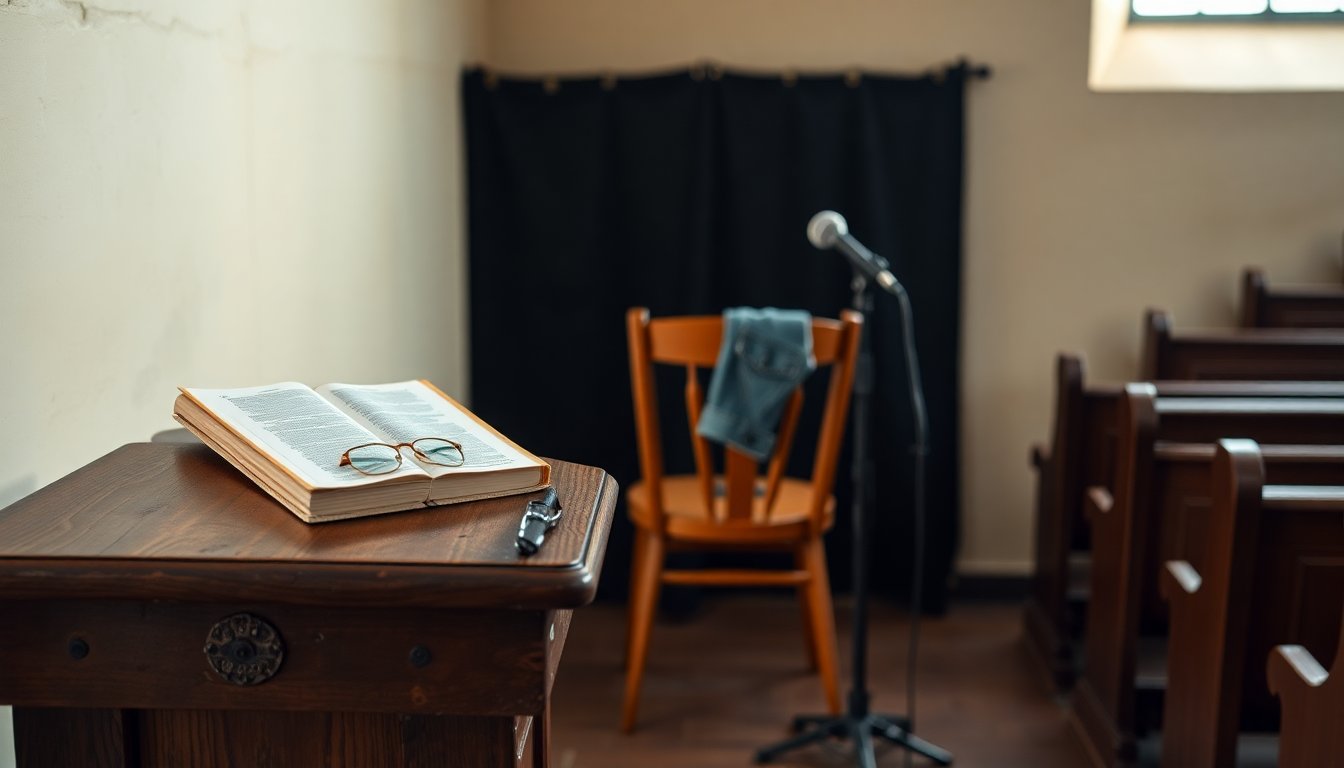
Onstage, she treats religious themes with a surprising gentleness. Instead of punching down at belief, she mines her own doubts, family fights and the funny contradictions of growing up with religion. That approach wins laughs without alienating large swaths of an audience. It’s a smart creative stance—honest without being antagonistic—and it gives her material emotional depth. She tests jokes carefully, tweaks language, and listens to feedback, which keeps her comedy sharp while minimizing gratuitous offense.
Prodigal Daughter swaps earlier barbs for layered observation. Jokes that once leaned on resentment are now reframed through hindsight and compassion. Her team initially worried that some marketing elements—titles and imagery—might look confrontational, but after seeing the finished special, collaborators embraced the softer, more nuanced direction. That alignment paid off: the special keeps her reach broad while letting her tell the stories she actually wants to tell.
There have been other turning points: a late-night hosting stint she ultimately stepped away from, and the choice to excise an eight-minute bit about a family relationship because performing it nightly felt corrosive. Those decisions weren’t just personal; they were strategic. By protecting her emotional bandwidth and preserving her relationship to the material, she’s building a career intended to last, not just peak briefly.
Looking ahead, Tomlinson seems intent on experimenting without burning out. She talks about pacing projects—podcasts, filmed concerts, collaborative writing—that expand her audience without demanding constant emotional excavation. Practical moves like testing material in small rooms, outsourcing high-stress elements and spacing production dates are all about keeping creative energy sustainable.
More than anything, Prodigal Daughter reads as the work of a comedian learning to steward her story. From a 16-year-old doing church fundraisers to a headline act on Netflix, Tomlinson’s arc isn’t linear, and that’s part of its interest. She’s picked which doors to open and which to close, and she’s decided some stories are worth protecting. The result is comedy that’s both sharp and humane—funny in the moment and thoughtful afterward.