When Ebenezer opened wide on November 13, 2026, it entered a crowded season of literary revivals. Adaptations of Wuthering Heights and Sense and Sensibility have already dotted the year, yet the decision to re-imagine Charles Dickens’s A Christmas Carol carries a particular commercial weight. The film lands with a familiar premise, a miser named Ebenezer Scrooge is visited by spectral guides on Christmas Eve, but it does so under the direction of horror veteran Ti West, whose previous work includes Pearl and MaXXXine. Johnny Depp returns to the role of Scrooge, hoping the gloomy reinterpretation will serve as a career-reboot.
The film’s tone: horror meets Dickens
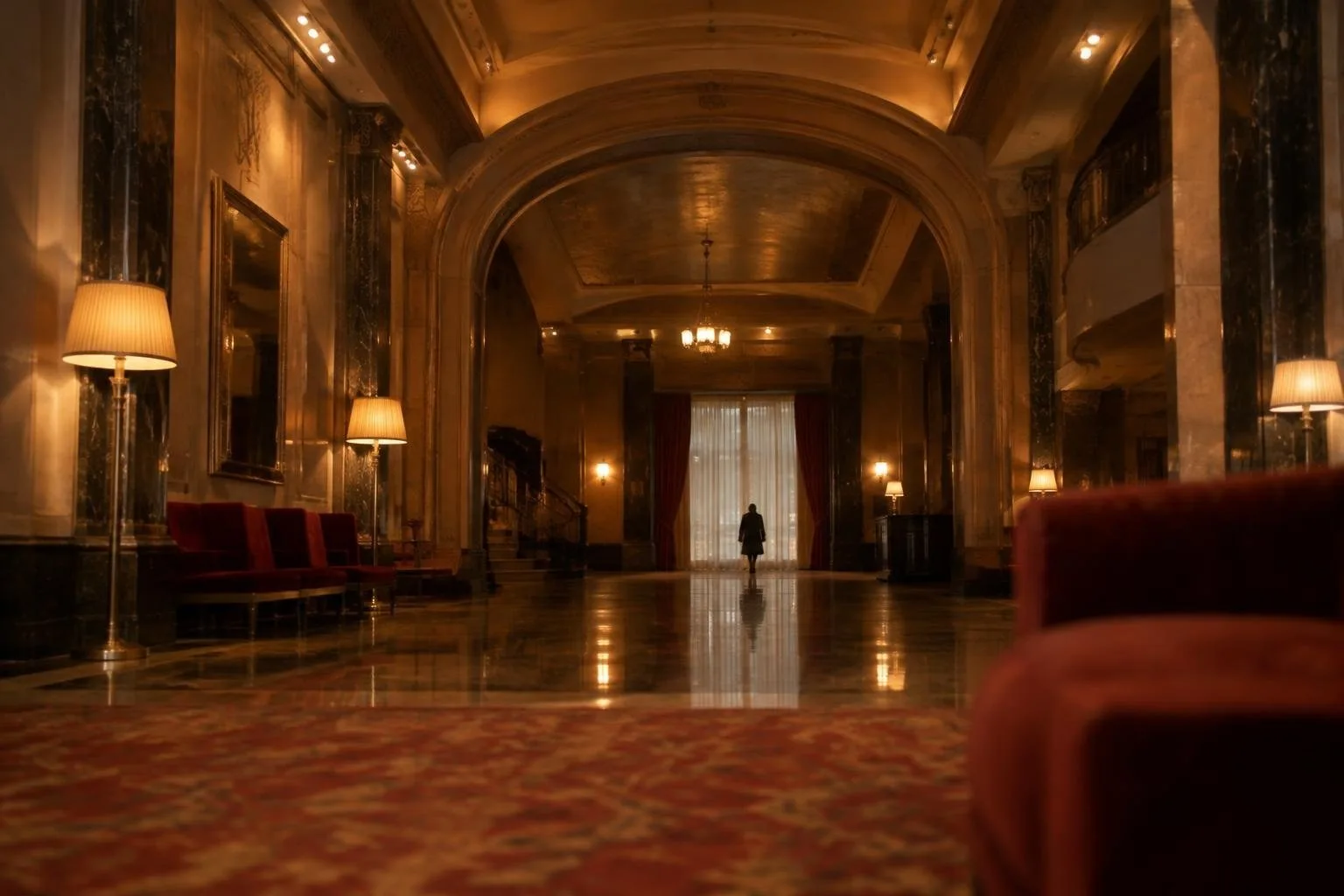
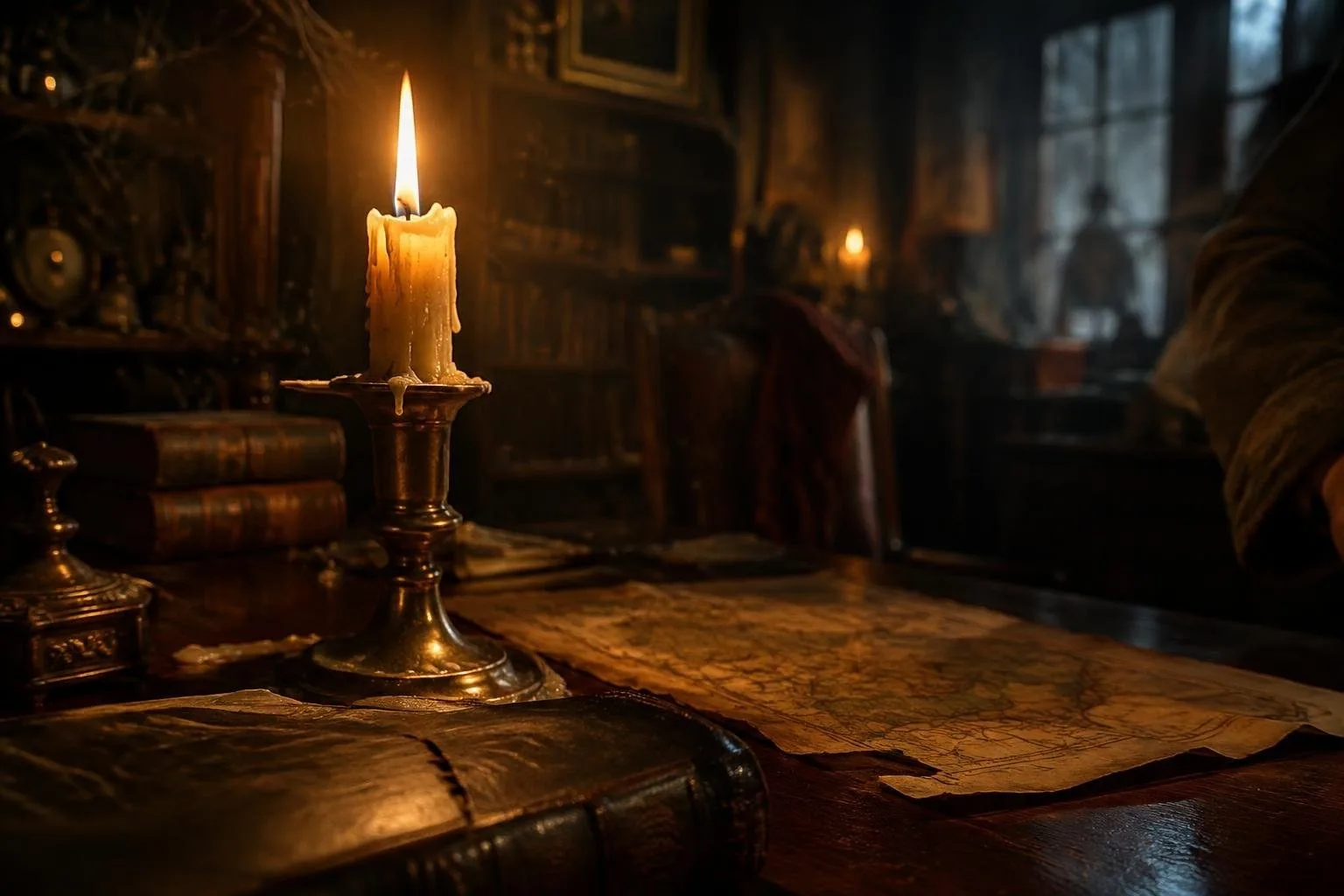
West leans into the story’s ghost-story origins, dressing Victorian London in a drab, wintry palette that feels both authentic and oppressive. Practical sets showcase soot-stained streets, cramped workshops and a stark, candle-lit bedroom where the final spirit appears. Composer Tyler Bates underscores the gloom with a string-heavy score that swells during the opening credits, offering a foreboding twist on the familiar “Carol of the Bells” motif. Jump scares punctuate the night’s journey: the Ghost of Christmas Past materialises in a whispering fog, while the Ghost of Christmas Present arrives amid a swirl of phantom lanterns that flicker like a cheap horror special. The result is a PG-13 experience that flirts with genuine fright without crossing into full-blown terror.
Performances and character dynamics
Depp’s Scrooge is unusually restrained; he stays sober throughout the night and channels a controlled bitterness rather than the flamboyant excess seen in earlier portrayals. This sobriety lets a few moments of genuine remorse shine, especially in the reconciliation with his nephew Fred, played by Sam Claflin. Their interaction, paired with the warm presence of Fred’s wife Daisy Ridley, becomes the emotional core of the film. Ian McKellen appears as Jacob Marley, offering a gravitas that elevates the ghostly visitation, even if the script gives him limited room to expand the relationship. Supporting spirits receive memorable turns: Andrea Riseborough’s Ghost of Christmas Past is both ethereal and unsettling, while Tramell Tillman’s Ghost of Christmas Present adds a compassionate yet haunting presence. Rupert Grint supplies a sympathetic Bob Cratchit, and the brief cameo of a young Belle (Ellie Bamber) hints at a lost romance without stealing focus. The ensemble, overall, grounds the supernatural spectacle in human feeling.
What the adaptation gains and loses
West and screenwriter Nathaniel Halpern add a prologue that shows Scrooge and Marley as active businessmen, highlighting their cruelty toward employee Bob Cratchit before Marley’s death. This additional layer attempts to deepen the moral stakes, yet the extra scenes often feel like filler rather than insight. New back-story beats, a violent death of Fezziwig and an abusive childhood for Scrooge, push the narrative toward a darker, almost politicised commentary on Victorian poverty. While the intention is clear, the execution sometimes drifts into a tone that feels more like a partisan rebuttal than a timeless moral lesson. The horror elements, ranging from effective shadows to gratuitous gore, are uneven; some scares land, others feel forced, making the film’s pacing wobble between suspense and stilted exposition.
Despite its ambitions, Ebenezer remains a faithful retelling of the source material’s skeleton. It does not reinvent the wheel, but it offers a distinct visual style that may appeal to viewers who appreciate a slight chill with their holiday fare. The film’s runtime of 1 hour 56 minutes allows enough space for the three spirits, yet each “stave” loses momentum before the next begins, leaving the overall structure feeling more like a series of set-pieces than a seamless journey.
In the context of Depp’s recent public turbulence, his portrayal of Scrooge feels like a calculated bid for sympathy. The actor’s facial expressions convey a lingering vulnerability that aligns with the character’s late-night terror, even when he literally breaks his mattress in fright. However, the performance never quite reaches the iconic heights set by previous screen Scrooges, and the film’s reliance on familiar beats limits its lasting impact.
For audiences seeking a holiday film that leans into the macabre without abandoning Dickens’s redemption arc, Ebenezer provides a modestly entertaining option. It will satisfy viewers who enjoy seeing classic stories on the big screen, especially with a dash of horror, but it is unlikely to become a seasonal staple. Those who prefer a pure, heart-warming retelling may gravitate toward more traditional versions.