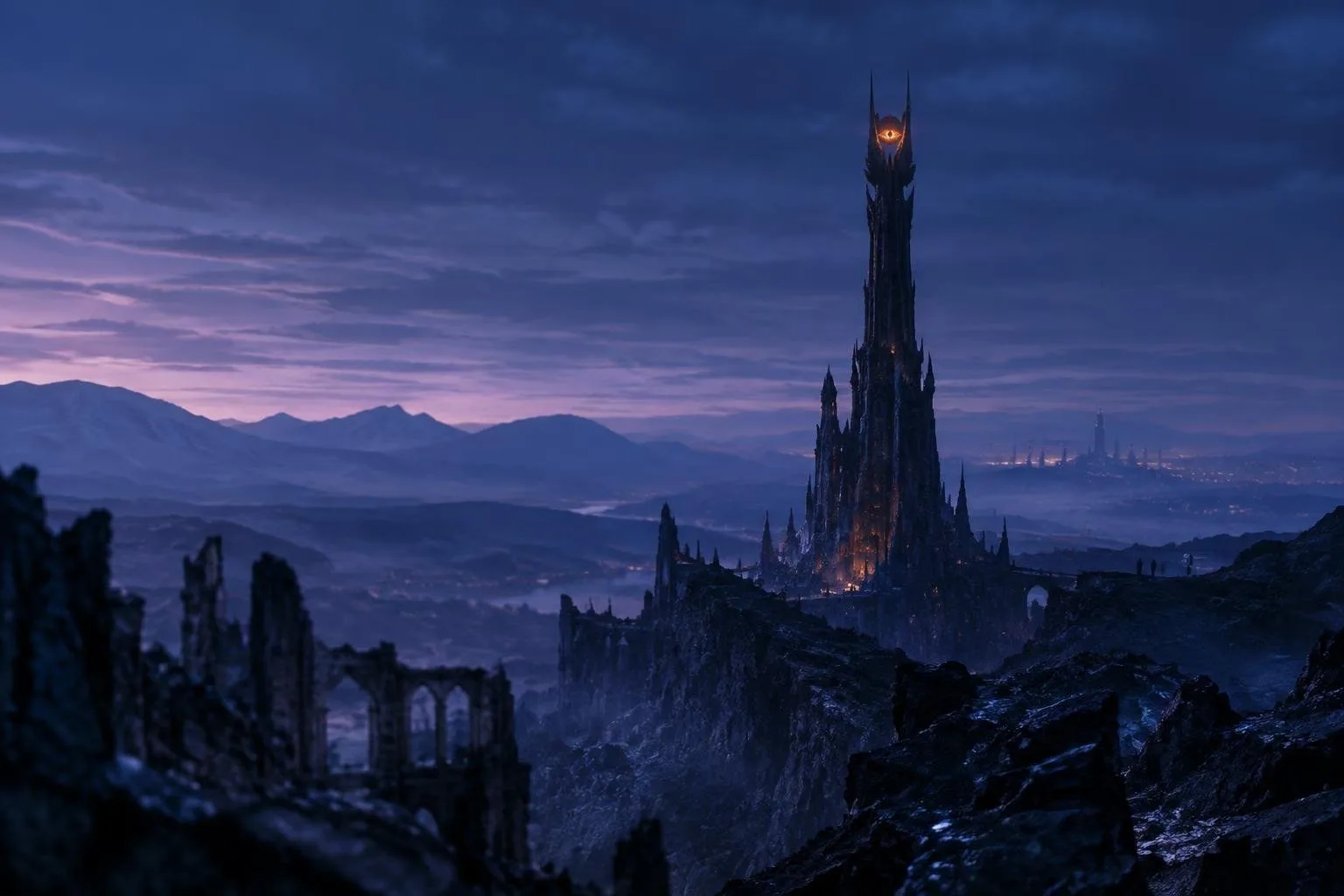
The third installment of The Rings of Power lands on Prime Video this November, pushing the conflict across Middle-earth into a fifth year of bloodshed. After the fall of Eregion, the Dark Lord has marched his forces through most of the continent, leaving only a handful of sanctuaries – the Dwarven halls of Khazad-dûm and the Elven realms of Lindon and Rivendell – still protected by the Three Rings. Viewers will find the series split into three release windows: episodes 1-4 on November 11, 2026, episodes 5-6 on November 18, 2026, and the two-part finale on November 25, 2026. The schedule gives fans a steady drip of new material while the story builds toward Sauron’s ultimate aim.
New release dates and the war’s geography
Five years after Eregion’s collapse, the narrative maps out a continent in turmoil. Sauron has completed his tower, Barad-dûr, and is obsessively forging a master ring that will bend every other creation to his will. The show’s opening episode, titled “Marnûkh,” introduces an uneasy Orc soldier whose wavering loyalty hints at cracks within the Dark Lord’s ranks. Subsequent episodes reveal how the Free Peoples – Dwarves, Elves, Men and Wizards – are forced into an uneasy alliance to stop the One Ring’s birth. Key locales such as Pelargir, Gundabad and the capital of Númenor receive focused attention, grounding the fantastical conflict in recognizable points on the map.
Sauron’s cruelty reaches a new low: the Celebrimbor display
The most talked-about moment arrives when Sauron returns to his office in Barad-dûr after yet another failed attempt to shape the One Ring. The Dark Lord is confronted by the specter of Celebrimbor, whose dead body hangs on the wall like a grisly banner. The corpse is described as a “rotting mess with arrows sticking out of the torso,” a direct visual echo of J.R.R. Tolkien’s line that the dead smith was “hung upon a pole, shot through with Orc-arrows.” Fans have coined the tableau Celebrimbanner, noting that it is arguably the most graphic image ever placed in the Lord of the Rings franchise. The scene serves two purposes: it underscores Sauron’s willingness to desecrate an elven master-smith, and it provides a bitterly comic moment when the ghost of Celebrimbor taunts the Dark Lord, mocking his failed attempts at jewelry-making and suggesting that even his Orcs pity him.
Fresh faces and shifting loyalties
Season 3 expands the cast with several notable additions. Jamie Campbell Bower steps into the role of Celeborn, reuniting with his wife Galadriel after a long separation. Zubin Varla appears as Khamûl, an Easterling who aligns with Sauron’s cause. Eddie Marsan portrays the older brother of King Durin IV, Thráin, who secretly bargains with the Dark Lord inside Khazad-dûm. Human drama intensifies in Númenor where Theo, a young man haunted by oppression, is drawn into Sauron’s web after a deceptive promise that his father belonged to a prestigious lineage linked to Mordor. Meanwhile, the Orc soldier Marnûkh becomes a conduit for information about the surviving elven smith, prompting Sauron to mark him for death.
What the new season promises for the franchise
Beyond the visceral horror of the Celebrimbanner, the season deepens the thematic struggle between tyranny and hope. The narrative repeatedly reminds viewers that “The land of Mordor is where the shadows lie,” a line that frames every battlefield as a step toward the looming darkness. By placing the Three Rings as the last bulwark against Sauron’s ambition, the show keeps the classic Tolkien tension alive while exploring how each realm—Dwarven, Elven, Men’s, and Wizard’s—contributes to the collective resistance. Executive producers J.D. Payne and Patrick McKay continue to steer the series, supported by a stable of co-producers and directors who aim to balance epic spectacle with intimate character moments.