
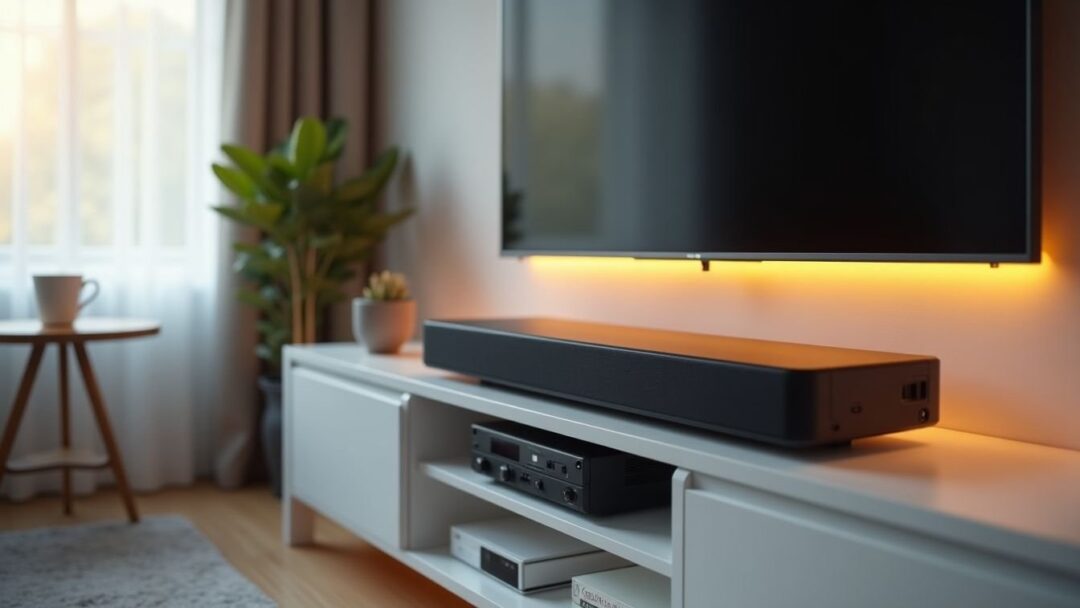
When it comes to creating a home cinema, one of the most important decisions is choosing the right sound system. Two popular options are soundbars and av receivers. In this article, we will explore the differences between these two systems and help you decide which one is best for your needs.
A soundbar is a single unit that contains multiple speakers and is designed to provide a compact and easy-to-use sound system. Soundbars are generally plug-and-play meaning they can be easily connected to a TV and start playing music or movies. They are also often wireless allowing for easy connection to other devices.
Channel Counts and Dolby Atmos
One of the key differences between soundbars and av receivers is the number of channels they support. A channel refers to a separate audio signal that is sent to a speaker. Most soundbars support 2.0 or 2.1 channels which means they have two speakers and a separate subwoofer. Av receivers, on the other hand, can support up to 7.1 channels or more, providing a more immersive audio experience. Additionally, av receivers often support Dolby Atmos which is a technology that allows for 3D audio and a more immersive listening experience.
Room Correction and Expandability
Another important consideration when choosing a sound system is room correction. Room correction refers to the ability of a sound system to adjust its settings to compensate for the acoustics of a room. Av receivers often have built-in room correction features, such as calibration and equalization. Soundbars may also have these features, but they are not always as advanced. In terms of expandability av receivers are generally more flexible, allowing users to add more speakers and devices as needed.
Cable Needs and Upgrade Paths
When it comes to connecting a sound system, cable needs are an important consideration. Soundbars often have a single HDMI input, while av receivers may have multiple inputs and outputs. This can make it easier to connect multiple devices to an av receiver. In terms of upgrade paths av receivers are generally more future-proof, allowing users to add new devices and technologies as they become available.
Assessing Your Space
To choose the best sound system for your home cinema, it’s essential to assess your space. Consider the size of your room, the type of furniture you have, and the location of your TV and other devices. You may also want to consider the power output of the sound system and the frequency response. By taking these factors into account, you can choose a sound system that meets your needs and provides the best possible listening experience.


